The Invisible Blaze: Unveiling the Meaning of a Red Flag Warning
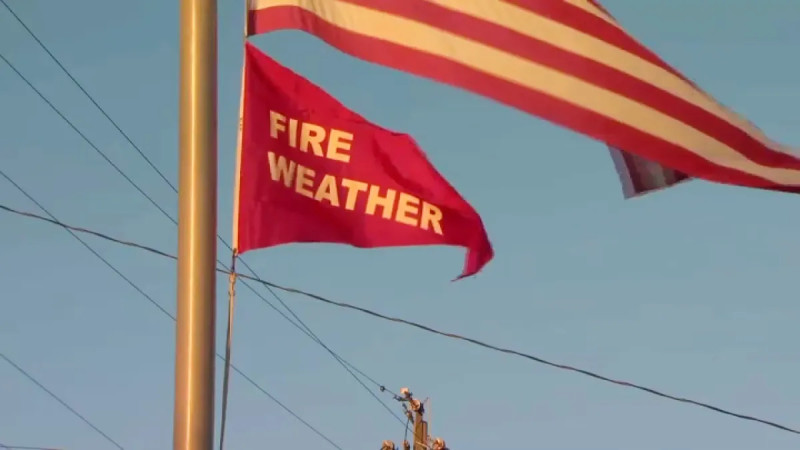
In the vast, unpredictable tapestry of weather patterns, few alerts grip the public's attention quite like a red flag warning. Imagine this: a dry, windy day, where one stray spark could set off a chain reaction of destruction, an invisible blaze waiting to ignite. A red flag warning is not merely an atmospheric event; it is a call to vigilance, a silent sentinel standing guard against the potential inferno.
Deciphering the Code: What is a Red Flag Warning Weather?
A red flag warning is a critical alert issued by the National Weather Service (NWS) when weather and environmental conditions increase the risk of wildfires. This warning signifies that atmospheric and ground conditions are primed for rapid fire spread, often due to a combination of high temperatures, low humidity, and strong winds. These conditions can transform even the smallest spark into a raging fire, making it crucial for authorities to implement strict fire restrictions, including bans on open burning and other potentially hazardous activities. The NWS issues a red flag warning to alert the public and firefighters of potentially dangerous fire weather conditions within the next 12 to 24 hours. Unlike a fire weather watch, which serves as a preliminary alert, a red flag warning indicates that critical conditions are either already present or imminent. During such warnings, local fire departments may temporarily restrict activities like backyard bonfires or burning yard waste to minimize the risk of accidental fires.
Differentiating Alerts: Fire Weather Watch vs. Red Flag Warning
Understanding the difference between a fire weather watch and a red flag warning can help individuals better prepare for potential fire risks. While both alerts serve to inform the public about elevated fire danger, a fire weather watch is issued when conditions are favorable for wildfires to develop, typically within the next 12 to 48 hours. In contrast, a red flag warning means that critical fire weather conditions are either already occurring or imminent, making it a more urgent and serious alert. For instance, a red flag warning might be issued when strong winds, low humidity, and high temperatures create an environment where even small sparks can quickly ignite and spread fires. The distinction between these two alerts is crucial for firefighters and the public alike, as it helps them gauge the severity of the situation and take appropriate precautions. Firefighters may increase staffing and resources, while the public might avoid activities that could spark a fire or prepare to evacuate if necessary.
When the Flag is Raised: What You Need to Know
A red flag warning is a term used by fire-weather forecasters to alert the public and firefighters of extreme burning conditions. It is issued when the weather forecast meets certain criteria, such as high wind, low humidity, and high temperature, which create an environment conducive to rapid fire spread. During a red flag warning, it is essential to follow specific precautions to minimize the risk of wildfires. This includes avoiding outdoor activities that could generate sparks, such as mowing the lawn, operating power tools, or even parking vehicles on dry grass. It is also crucial to stay informed about local restrictions and advisories, as authorities may implement additional measures to protect communities from the heightened risk of fires. By taking these precautions, individuals can play a vital role in preventing wildfires and ensuring the safety of their communities during times of elevated fire danger.
"A red flag warning is a wake-up call, a signal that nature's patience is wearing thin. It's a moment to pause, to assess, and to act with caution, for in the dance of elements, even the smallest embers can ignite a disaster." - National Weather Service
How does this story make you feel?
 Up next · WorldArundel Mills Mall: The Whispering Corridors of Uncertainty