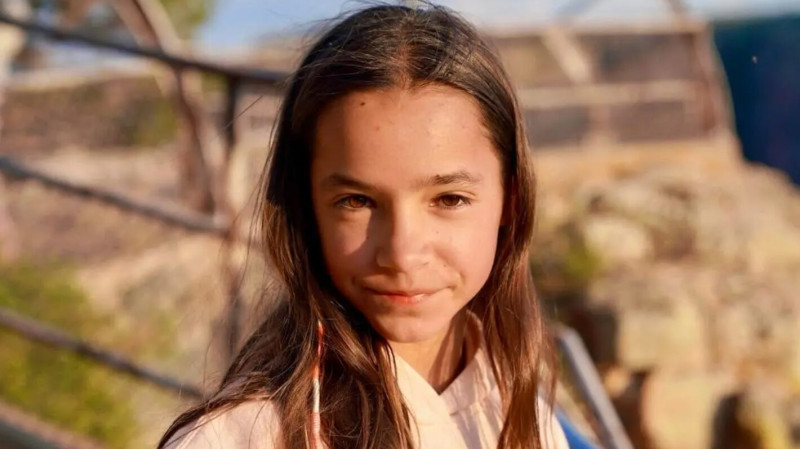
Kübra Karaaslan: A Tragic End to a Viral Life

Like a meteor streaking across the digital sky, Kübra Karaaslan blazed into the spotlight, only to plummet to a tragic end. The 21-year-old Turkish TikTok influencer, known for her vibrant online presence, plunged from the heights of fame to the cold waters of the Marmara Sea. Her untimely death from the Osmangazi Bridge has left a void that resonates far beyond the confines of social media, sparking a crucial conversation about the mental health of young creators and the pressures of online fame.
Kübra Karaaslan: The Rise and Fall of a TikTok Star
Kübra Karaaslan, a native of Istanbul, was a beacon of positivity and inspiration on TikTok. Her videos, a blend of beauty, sports, and motivational content, amassed a significant following. With a radiant smile and a charismatic persona, she seemed to embody the quintessential influencer lifestyle. However, beneath the veneer of perfection, Karaaslan was grappling with mental health struggles that ultimately proved insurmountable. Her tragic act on March 23, 2026, when she jumped from the Osmangazi Bridge, sent shockwaves through the community and raised questions about the hidden pressures faced by social media influencers.
Just months before her death, Karaaslan had shut down her social media accounts, a move that now appears to have been a harbinger of her inner turmoil. The final moments of her life were captured on mobile phones, a chilling reminder of the surveillance that often accompanies online fame. As authorities continue to investigate the circumstances surrounding her death, the public is left to grapple with the stark reality that even the most vibrant online personas can mask deep-seated pain.
The Impact of Social Media Pressure on Young Influencers
The tragic end of Kübra Karaaslan has ignited a global debate about the pressures of social media and the mental health of young influencers. The relentless pursuit of perfection, the constant scrutiny, and the fleeting nature of online fame can take a devastating toll. While social media platforms offer unprecedented opportunities for self-expression and connection, they also create an environment where self-worth is often measured by likes, shares, and followers. This paradigm can be particularly detrimental to young people, who are still developing their sense of self and identity.
Kübra Karaaslan's death serves as a sobering reminder of the dark side of social media stardom. It is a call to action for platforms, creators, and followers alike to recognize the signs of distress and to foster a more compassionate and supportive online community. As the digital landscape continues to evolve, it is imperative to prioritize mental health and well-being, ensuring that the spotlight of fame does not eclipse the human element behind the screen.
The Aftermath: A Wake-Up Call for the Digital Age
The Osmangazi Bridge, a symbol of connection between Kocaeli and Yalova, has become a poignant backdrop for a conversation that transcends geography and culture. The tragedy of Kübra Karaaslan underscores the need for greater awareness and support for young creators navigating the complexities of online fame. As the investigation into her death continues, it is hoped that her legacy will inspire meaningful change in the digital world. The collective mourning for Karaaslan is not just about a lost life but about a call to reinterpret the relationship between virtual presence and authentic well-being, ensuring that no one else pays the ultimate price for the pursuit of digital success.
While the immediate focus is on understanding the circumstances surrounding Kübra Karaaslan's death, the broader implications are a reminder of the need for greater mental health support and awareness. As we continue to grapple with the complexities of the digital age, it is crucial to remember that behind every viral video and popular post, there is a real person with genuine feelings and struggles. Only by acknowledging and addressing these issues can we create a more compassionate and supportive online community.
With the echoes of Kübra Karaaslan's tragic end still resonating, the question lingers: What can we do to ensure that her story serves as a wake-up call rather than a cautionary tale? How do we bridge the gap between the glittering world of social media and the stark reality of mental health struggles? The answers, like the waters of the Marmara Sea, are deep and complex, but they are essential to navigate if we are to create a more empathetic and supportive digital future.
"Social media can be a double-edged sword: it empowers us to connect and express, yet it also exposes us to relentless scrutiny and pressure. We must strive for a balance that prioritizes well-being over virtual success, ensuring that no one feels compelled to leap from the heights of fame into the abyss of despair.”
How does this story make you feel?
 Up next · EntertainmentJujutsu Kaisen: The Culling Games Unleashed