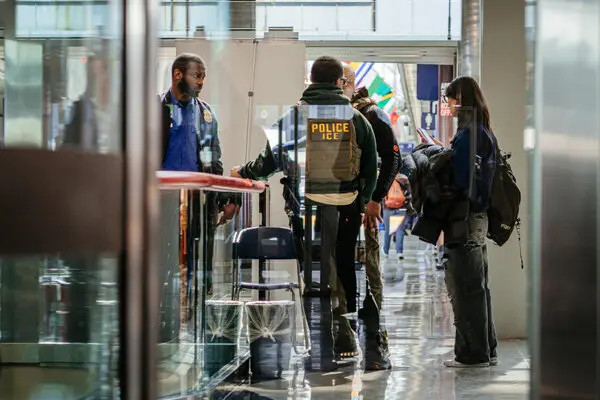
Navigating the Delay: TSA Wait Times at Major Airports
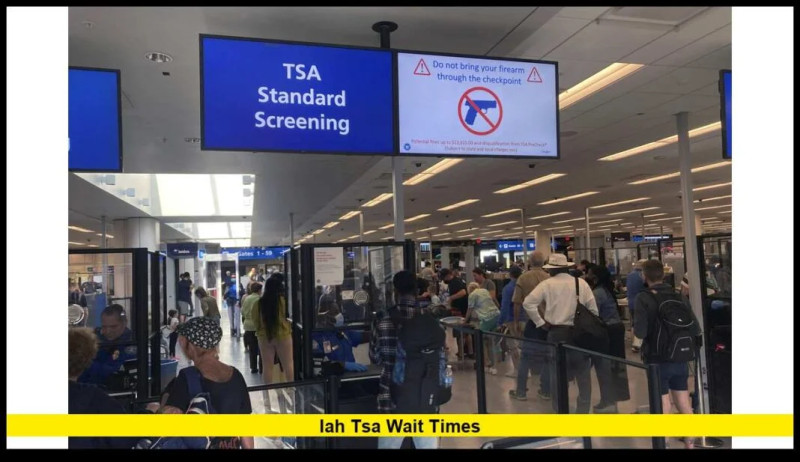
At 12:07 PM on March 27, 2026, the bustling terminal of George Bush Intercontinental Airport (IAH) is a microcosm of the nation’s air travel woes. In the fluorescent glare of the briefing room, the hum of phones buzzing in pockets and the hushed murmurs of weary travelers underscore a pressing issue: TSA wait times are skyrocketing, and Houston is no exception. With spring break travel overlapping with a partial government shutdown, travelers are facing unprecedented delays that turn routine journeys into ordeals. The stakes are high, as missed flights and delayed vacations can cost more than just time and money. The ripple effects of these delays echo through the travel industry, affecting everything from airport efficiency to passenger satisfaction. This is the new reality at IAH and beyond, where the battle against TSA wait times is an ongoing saga, shaped by myriad factors from staffing to policy.
Real-Time TSA Wait Times and Their Impact at IAH
At IAH, the situation is dire. The current TSA wait time is approximately 180 minutes, a stark reminder of the increasing airport congestion — a figure updated every five minutes. This real-time data, calculated from historical checkpoint patterns, provides a snapshot of the current chaos. The live wait time tool, accessible to travelers, offers a fleeting glimpse into the chaos. Despite the comprehensive examination of historical flight records and TSA staffing timetables, the wait times remain unpredictable, influenced by a myriad of variables.
For travelers, navigating this labyrinth is a test of patience and resilience. The TSA wait times at IAH fluctuate throughout the day, with peak hours seeing the longest delays. Travelers are advised to arrive at least three hours before their scheduled departure, a daunting prospect for anyone rushing to catch a flight. The historical wait time charts, while useful, offer little comfort as they reflect the ever-changing dynamics of air travel.
Understanding the TSA wait times at IAH involves more than just checking a live update; it requires a deep dive into the underlying factors. The partial government shutdown, overlapping with spring break, has exacerbated the situation, leading to extended security lines and increased traveler frustration. The lapse in Department of Homeland Security funding has further strained an already overburdened system, leaving travelers to grapple with the consequences. As we sit here today, the reality on the ground is a harsh lesson in the interconnectedness of air travel and government policy, a narrative that’s unfolding across the nation’s airports, including those in Austin, Houston, and Dallas-Fort Worth.
The Texas Perspective: TSA Wait Times and Their Broader Implications
The situation at IAH is part of a larger trend affecting airports across Texas. Spring break travel, coupled with the ongoing government shutdown, has resulted in extended security lines, with travelers reporting waits of several hours. The disruptions are not limited to Houston; airports in Austin and Dallas-Fort Worth are also grappling with similar challenges.
At George Bush Intercontinental Airport, the security wait times shown are computed using a comprehensive examination of historical flight records and TSA staffing timetables. This data, while informative, offers little solace to the weary traveler. The live wait times at Houston Airport, updated in real-time, provide a snapshot of the current chaos, reflecting the underlying issues of staffing and policy. — The historical data is a testament to the cyclical nature of air travel delays, but it is the unpredictability of current conditions that keeps travelers on edge.
“The current TSA wait times at Houston’s IAH are a wake-up call for the aviation industry. It’s not just about the inconvenience; it’s about the broader implications for traveler safety and efficiency,” said Martin Smith, a seasoned airline executive. “We need a comprehensive approach to address these delays, from increased staffing to better policy implementation.”
The broader implications of these delays are clear: missed flights, delayed vacations, and a ripple effect that impacts everything from airport efficiency to passenger satisfaction. Yet, amidst the chaos, there are glimmers of hope. The IAH TSA Wait Times Calculator offers a tool for travelers to strategize their journey, providing real-time traffic data to help them decide when to leave for their flight. This proactive approach, while not a panacea, offers a measure of control in an otherwise chaotic situation. The live tool that shows right now estimated TSA wait times at IAH, calculated from historical checkpoint patterns for the current day and hour, provides travelers with a way to navigate the unpredictable.
Looking Ahead: What Lies Beyond the Horizon for TSA wait times?
Despite the current challenges, the aviation industry is resilient. The ongoing efforts to improve TSA wait times at airports like IAH are a testament to this resilience. The TSA wait times at IAH remain a pressing issue, but the innovative solutions being developed offer a glimpse into a future where air travel is smoother and more efficient. From real-time traffic data to comprehensive historical analysis, the tools are in place to address the current crisis. The question remains: will travelers see immediate improvements, or will the delays persist beyond the horizon? — As we stand on the precipice of a new era in air travel, the stakes are high, and the future is uncertain. One thing is clear: the battle against TSA wait times is far from over, and the journey to a more efficient air travel experience is just beginning. The next few weeks will be crucial, with key policy decisions looming that could reshape the air travel landscape as we know it. As travelers and policymakers alike brace for what’s to come, the focus remains firmly on navigating the delays and forging a path forward.
How does this story make you feel?
 Up next · WorldFires Blaze in Oklahoma City: A Dispatch from the Heart of the Storm