Colorado Blazes: Wildfires Threaten Neighboring Nebraska and Denver
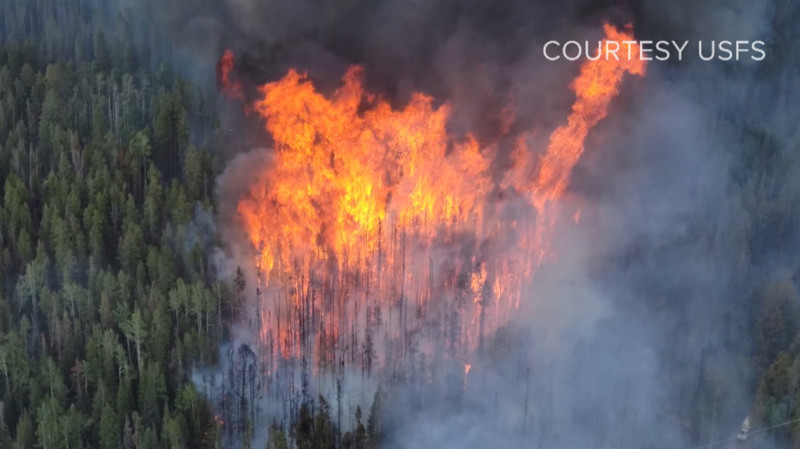
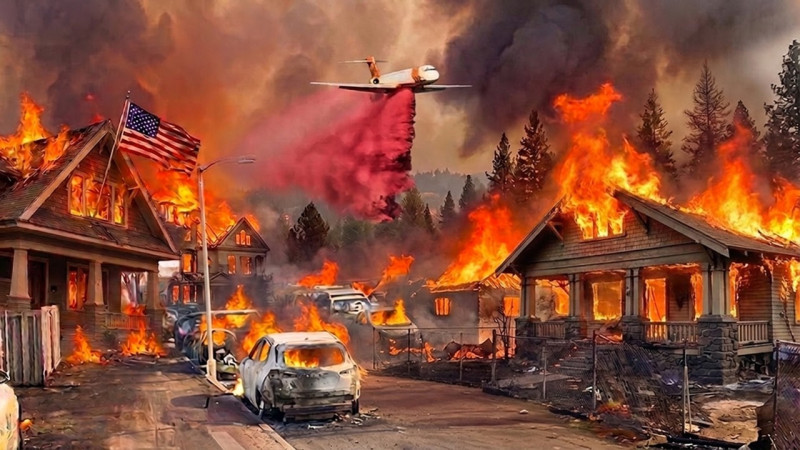
Smoke from Colorado wildfires is choking neighboring states, further straining the resources of firefighters in the region. Today, the state battles the 24 Fire in Colorado Springs, adding to the existing haze caused by Nebraska blazes. While Colorado Springs residents continue to monitor their air quality, the 24 Fire is now 61% contained, but not without significant challenges and setbacks. This latest development leads to a broader question: why are Colorado fires so relentless in 2026?
Colorado Fire Map: Tracking the Blazes Across the State
The Colorado Wildfire Map provides real-time updates on active wildfires, watches, and warnings, offering a comprehensive view of the state's fire situation. According to the Wildfire Information Resource Center (WIRC), numerous active blazes are currently burning, with the 24 Fire and the wildfire east of Interstate 25 being the most pressing. Residents can track these fires using interactive maps, satellite detections, and fire perimeters, providing crucial information for safety and preparedness.
With multiple sources feeding into the Colorado fire map, residents and authorities have access to hourly updates on fire locations, containment levels, and the deployment of firefighting aircraft. These resources are invaluable as they help in coordinating emergency responses and keeping the public informed about the evolving wildfire situation.
The 24 Fire: An Ongoing Battle for Containment
The 24 Fire, burning along Colorado 115, has been a significant challenge for firefighters. As of March 26, 2026, the fire is 61% contained, yet the battle is far from over. This fire has been record-breaking, with rapid spread and unpredictable behavior. Officials from Fort Carson have been working tirelessly to manage the situation, and while progress is being made, the 24 Fire remains a critical concern. The fire's containment status is updated regularly, with efforts continuing to improve containment and minimize risks to nearby communities and natural resources.
The latest update from Fort Carson reveals that the 24 Fire, while showing signs of containment, continues to pose a threat. Officials emphasize the importance of public vigilance and adherence to fire safety guidelines. The situation highlights the broader challenges faced by Colorado in managing wildfires, particularly in the face of climate change and increasing drought conditions.
Climate Change and Wildfire Frequency in Colorado
Climate change has been a recurring theme in the discussions around wildfires in Colorado, and for good reason. Over the past decade, the state has seen an alarming increase in the frequency and severity of wildfires. Rising temperatures, prolonged droughts, and changing weather patterns have created a perfect storm of conditions for wildfires to thrive. This raises a crucial question: are we doing enough to combat climate change, or are we merely reacting to its consequences? The data is damning, and the picture is bleak. According to the Wildfire Information Resource Center (WIRC), wildfires in Colorado have been increasing in both size and intensity, with no signs of slowing down.
While efforts are being made to mitigate the impact of wildfires, the underlying causes of these fires point to a broader environmental crisis. Here's what nobody's asking: why are we still relying on reactive measures when proactive solutions are desperately needed? The time for inaction has long passed, and it's high time we address the root causes of these devastating fires.
However, not everyone is convinced that climate change is the sole driver behind the increase in wildfires. Some argue that better forest management practices and more aggressive firefighting efforts could significantly reduce the impact of wildfires. They point to successful examples in other states where proactive measures have led to better outcomes. But let's not kid ourselves; climate change is a real and present threat, and ignoring it won't make it go away.
As we continue to grapple with the Colorado fires, let's not forget that the battle is not just against the flames, but also against the forces of climate change. The situation in Colorado serves as a stark reminder that our actions today will determine the future of our planet. Next, we need to turn our attention to the impact of these fires on neighboring states, particularly Nebraska, where smoke from Colorado's fires is further exacerbating air quality issues. Denver, too, is not immune to the effects, with residents reporting low visibility and smoke inhalation. This is a crisis that knows no borders, and it demands a united response. Stay tuned for more updates as the fight against the Colorado fires continues.
How does this story make you feel?
 Up next · WorldFrance's Gusto Carries The Day in Thrilling Pre-World Cup Victory