Red Flag Warning: Understanding the Urgency of Fire Weather
In the fluorescent glare of the briefing room, the hum of phones buzzing in pockets, the National Weather Service's latest alert flashes across the screens. “A red flag warning has been issued for portions of the western Florida Panhandle”. It is a phrase that sends a chill down the spines of anyone who's ever lived through a wildfire season, and the implications are vast.
What is a Fire Weather Watch and What Triggers It?
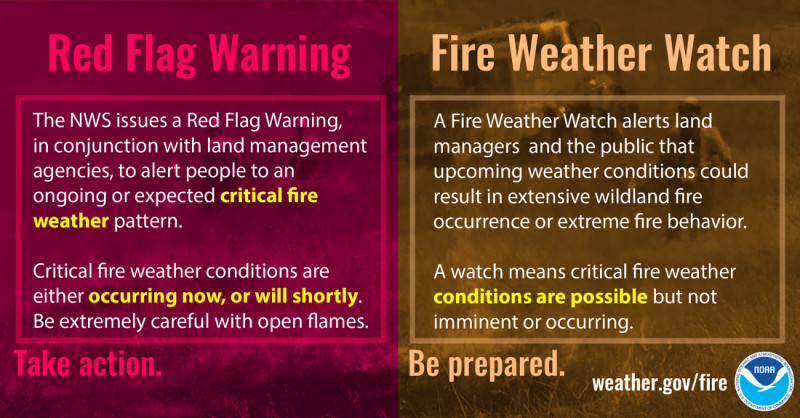
A fire weather watch is the precursor to a red flag warning. It signifies that conditions are favorable for extreme fire behavior, but the critical thresholds have not yet been met. Issued 12 to 48 hours in advance, it advises residents to stay vigilant and prepare for potential danger. The watch is triggered by a combination of dry fuels and weather conditions, such as low humidity, high temperatures, and strong winds, which can turn a small spark into a raging inferno.
“These products are written for land and fire managers to highlight the increased fire danger”. For the general public, it's a call to action—clear brush from around homes, have an evacuation plan, and be ready to heed the call if the situation escalates.
Red Flag Warning: When Conditions Enter the Danger Zone
A red flag warning is more urgent. It means that critical fire weather conditions are either happening or are imminent within the next 24 hours. — “they are about to occur”. The transition from a watch to a warning is often marked by a sudden spike in wind speeds, a precipitous drop in humidity, or a combination of both.
“Forecaster with FOX Weather refer to the red flag warnings as 'fire weather warnings' for better clarity”. It is a stark reminder that fire season is not just a metaphorical concept, but a very real and dangerous reality. The warning is a call to immediate action, urging residents to evacuate if ordered, to stay indoors, and to avoid any activities that could spark a fire in these dangerous conditions.
— “A Fire Weather Watch is issued to advise of conditions which could result in extensive wildland fire occurrence or extreme fire behavior, which are expected to develop in the next 12 to 48 hours”.
The Human Toll and Preparedness
The severity of these alerts is underscored by personal stories. In 2019, a red flag warning in California led to the evacuation of thousands of people as the Kincade Fire tore through Sonoma County. The fire, fueled by the dry conditions and high winds, burned over 77,000 acres and destroyed hundreds of homes and businesses.
“Red Flag is another term for fire weather. Red Flag Watch means there is a possibility that there could be some fires created and spread due to dry conditions, warm temperatures, and low humidity. Red Flag Warning means there is a present fire danger and that conditions are happening or they are about to occur.”
As climate change exacerbates drought and heatwaves, these warnings are becoming more frequent and more severe. Firefighters and emergency services are constantly refining their protocols, but the best defense remains prevention and preparedness. When the red flag warning is issued, it is a collective call to arms, a reminder that the battle against wildfires is not just fought by first responders, but by every individual in the path of the danger.
In the quiet moments between alerts, residents of wildfire-prone areas are left to ponder the future. With climate change accelerating the frequency and intensity of fire seasons, the red flag warning is not just a seasonal hazard, but a harbinger of a new normal. As the sun sets on another day of heightened alert, the question remains: how will communities adapt, and what can be done to mitigate the ever-growing threat of wildfires? — What are the potential solutions to prevent these red flag warnings?
How does this story make you feel?
 Up next · WorldRed Sox Clinch Opening Day Victory: Crochet Dominates in Shutout