Potomac TRACON's 'ATC Zero' status: A detailed investigation into flight chaos and its impact on BWI and DCA airports
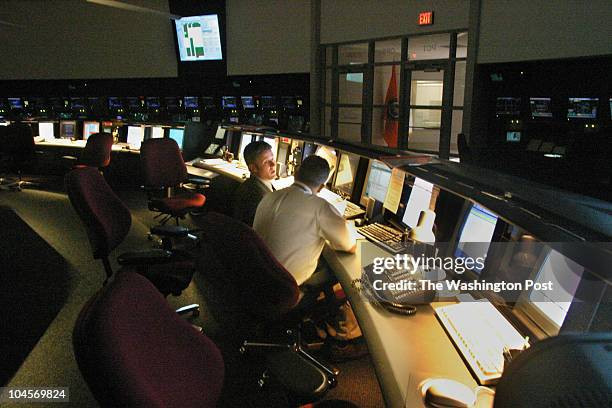
A strong chemical smell forced a dramatic evacuation of the Potomac Terminal Radar Approach Control (TRACON) facility, leaving Washington, D.C. area airports in chaos. The Federal Aviation Administration (FAA) declared the facility at 'ATC Zero,' halting flights to BWI, DCA, and other regional airports. Here's what happened and why it matters as we dive into the stories of the Potomac TRACON, BWI airport, and DCA traffic control. Let's not kid ourselves: This isn't just another glitch in the system.
What is the Potomac TRACON and Why is it Crucial for BWI and DCA Traffic?
The Potomac TRACON, also known as the Potomac Consolidated TRACON (PCT), is the key radar facility managing air traffic control (ATC) for the Washington, D.C. region. This includes major airports such as Ronald Reagan Washington National Airport (DCA), Washington Dulles International Airport (IAD), and Baltimore/Washington International Thurgood Marshall Airport (BWI). Let’s break it down: The TRACON facility handles air traffic control services to Baltimore and other regional airports, making it a vital hub for air travel in the area.
The Environmental Issue: A Smelly Disruption at Potomac TRACON
A strong smell at the Potomac TRACON facility triggered an emergency evacuation and led to the declaration of 'ATC Zero.' This status means the facility is unable to safely provide air traffic services, causing a cascade of flight disruptions. The FAA issued emergency ground stops at several Washington, D.C. area airports, including BWI. The ground stops were initially implemented after reports of a strong, unusual smell at the Potomac TRACON facility. The facility was evacuated and declared 'ATC Zero,' prompting the FAA to halt flights in the region. Here’s what nobody’s asking: What environmental hazards could be lurking in our air traffic control facilities?
Let’s look at the broader implications. The disruption has highlighted the vulnerability of air traffic control systems to environmental factors. The 'ATC Zero' declaration means that the facility is not operating, and the consequences are immediate. Ground stops were issued at DCA, BWI, and other regional airports, causing significant delays. The FAA has since lifted the ground stops for Dulles and BWI, but the disruptions at DCA remain in effect. The data is damning: This marks the second incident this month at the Potomac TRACON leading to flight disruptions, raising serious questions about the facility's safety and preparedness.
The Impact on BWI and DCA: Delays, Disruptions, and Chaos
The impact on BWI and DCA was immediate and widespread. Flights were grounded, and passengers were left stranded. For BWI, the ground stop meant that inbound and outbound flights were halted, causing significant delays and disruptions. Passengers were left waiting, unsure of when they would be able to fly again. The situation at DCA was similar, with flights halted and passengers stranded. The hold was announced at 6:32 p.m. and listed as due to "environmental" reasons, according to the FAA.
So, what’s the counter-argument? Some might say that these disruptions are inevitable given the complexity of air traffic control systems. But let's not forget that safety should always be the top priority. The FAA's handling of the situation, including the declaration of 'ATC Zero' and the subsequent lifting of ground stops, highlights the delicate balance between safety and operational efficiency.
Meanwhile, back at BWI and DCA, the chaos continues. The ground stop at DCA remains in effect, causing further delays and disruptions. Passengers are left waiting, and the airport is in a state of flux. The FAA's handling of the situation has been under scrutiny, with many questioning the efficiency and effectiveness of the ground stop. The data is damning: This is not the first time the Potomac TRACON has faced such issues, and the frequency of these incidents is a cause for concern.
And now the burning question: How can we ensure that our air traffic control systems are safe and resilient in the face of environmental hazards? The recent disruptions at Potomac TRACON have raised serious questions about the safety and preparedness of our air traffic control systems. As we continue to rely on air travel for both personal and professional purposes, it is crucial that we address these issues and ensure that our air traffic control systems are safe and reliable. The Potomac TRACON, BWI, and DCA traffic control situations are a wake-up call, and it’s high time we take action.
How does this story make you feel?
 Up next · WorldThe Invisible Blaze: Unveiling the Meaning of a Red Flag Warning