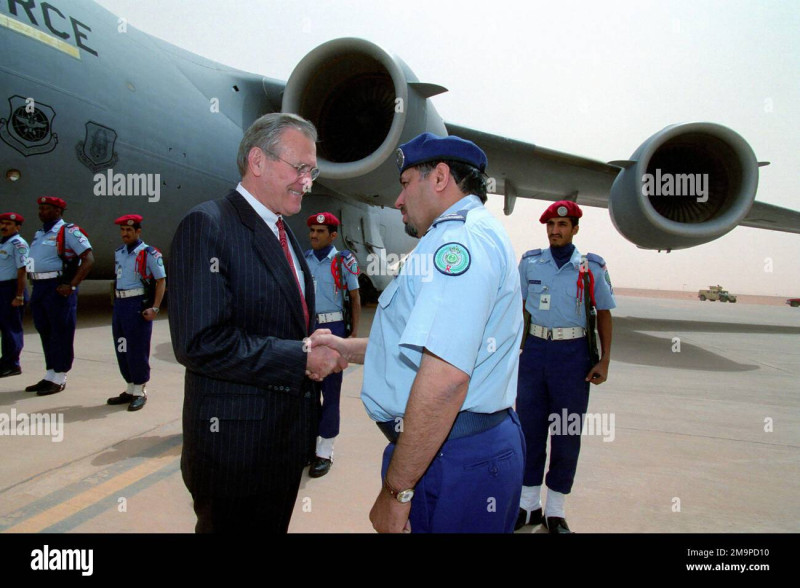
In the dim light of a Saudi Arabian dawn, the usually bustling Prince Sultan Air Base in Saudi Arabia was shattered by a sudden barrage of explosions. The Iranian missile and drone attack on March 27, 2026, marked a pivotal moment in the ongoing geopolitical tensions between Iran and the United States, with the E-3 Sentry, a critical component of America’s air defense, at the heart of the conflict.
The E-3 Sentry: America's Airborne Command Center
The E-3 Sentry, often referred to as the AWACS (Airborne Warning and Control System), is a cornerstone of the U.S. military’s command-and-control architecture. This advanced aircraft is essentially an airborne radar station, providing early warning and surveillance capabilities to detect and track incoming threats. The Sentry's role is vital in coordinating air defenses and managing the vast airspace above crucial military installations, including Saudi Arabia’s Prince Sultan Air Base.
"The E-3 Sentry is indispensable for our operations in the Middle East," states a high-ranking U.S. Air Force official. "It provides real-time situational awareness, allowing us to respond swiftly to any threat."
On the day of the attack, the base was abuzz with activity, housing numerous KC-135 Stratotankers and other critical aircraft. The E-3 Sentry, with its sophisticated radar systems, was a prized target for the Iranian assailants, who sought to cripple the U.S. military's ability to detect and respond to threats in the region.
Impact on U.S. Operations: The Aftermath of the Attack
The Iranian strike on Prince Sultan Air Base resulted in significant damage to several U.S. refueling aircraft and the E-3 Sentry. The attack injured multiple American service members, with reports indicating that at least 10 soldiers were wounded, including two in critical condition. The destruction of key assets, such as the E-3 Sentry, exposed a critical vulnerability in the U.S. military’s command-and-control infrastructure in the Gulf region.
In response to the attack, the Pentagon has ordered reinforcements, including the deployment of the 82nd Airborne Division, to bolster the security of the base and its remaining assets. The U.S. has also moved quickly to replenish its losses, sending additional aircraft and personnel to the region. This deployment underscores the strategic importance of Prince Sultan Air Base and the E-3 Sentry in maintaining regional stability and security.
The Strategic Significance of Prince Sultan Air Base
Prince Sultan Air Base, located in Saudi Arabia, has long been a pivotal hub for U.S. military operations in the Middle East. It serves as a major staging area for various U.S. aircraft, including the E-3 Sentry, and plays a crucial role in maintaining regional air superiority. The base’s strategic location allows it to monitor and control the airspace over Saudi Arabia and neighboring countries, ensuring the safety of U.S. and allied forces in the region.
The Iranian attack on this critical base has heightened concerns about the future of U.S. operations in the Middle East. The damage to the E-3 Sentry and other key assets highlights the need for enhanced security measures and a reevaluation of U.S. military strategy in the region. As tensions continue to rise, the importance of the E-3 Sentry and Prince Sultan Air Base in safeguarding American interests remains paramount.
As the sun sets over Prince Sultan Air Base, the smoke from the attack lingers in the air, a stark reminder of the ongoing conflict and the critical role of the E-3 Sentry in America’s defense strategy. The U.S. military faces a daunting task: to rebuild, reinforce, and adapt in the face of evolving threats, ensuring that the E-3 Sentry continues to stand as a guardian of the skies over the Middle East.
Pentagon officials, scrambling to reinforce the base, are now asking the tough questions about what went wrong and how to prevent future attacks.
On the ground, the U.S. military is still assessing the full extent of the damage, but it's clear that the E-3 Sentry will remain a key piece of the puzzle in the ongoing geopolitical drama.