Unraveling the Enigma: Is Comcast Cable the Same as Xfinity?
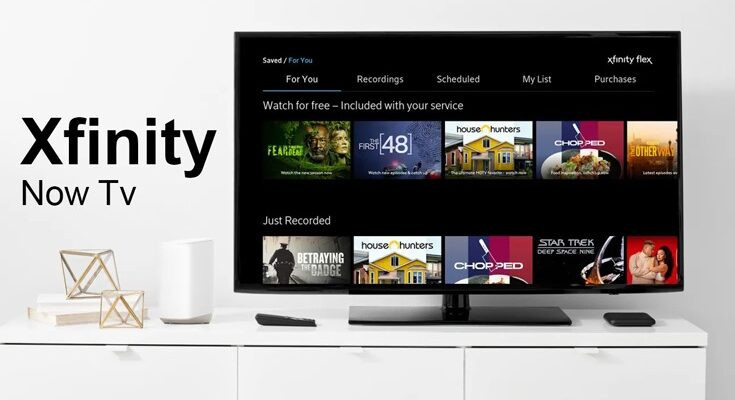
In the sprawling landscape of telecommunications, understanding the distinction between Comcast cable and Xfinity can be a labyrinthine task. Comcast, a household name in the industry, has strategically diversified its brand offerings, often leaving consumers bewildered about the differences and overlaps between its entities. Xfinity and Comcast are frequently used interchangeably, but are they truly identical? Let's dive into the intricacies and untangle the web of this telecom giant.
The Corporate Anatomy of Comcast and Xfinity: Bridging the Divide
To fully comprehend the dynamics, it's essential to grasp the corporate anatomy of these entities. While both are part of the same overarching corporation, their roles and functions differ significantly. Comcast, the mother company, owns an array of holdings, including the iconic NBCUniversal, and is the entity that supplies the cable infrastructure. Xfinity, on the other hand, is the brand under which Comcast offers its TV and internet services to consumers. Think of it as the consumer-facing arm of the company, responsible for delivering the actual services to homes and businesses.
This distinction is crucial because it clarifies why you might see a bill from Comcast but interact with Xfinity on a daily basis. The corporate branding strategy is designed to streamline customer interactions, but it often leads to a sense of duality. This duality is further compounded by the fact that Xfinity services are only available in regions where Comcast's infrastructure is present, effectively making them inseparable in many practical scenarios.
The Evolution of Xfinity and NOW Internet: A New Era of Connectivity
In recent years, the telecom landscape has seen a surge in demand for affordable and reliable internet services. Xfinity's response to this trend has been the introduction of NOW Internet and NOW TV services. These offerings are designed to cater to the evolving needs of modern consumers, who increasingly prioritize simplicity and cost-efficiency. The NOW Internet service is particularly noteworthy for its affordability and ease of installation. Xfinity provides customers with a self-install kit, complete with a XB3 cable internet gateway, which supports speeds up to 600Mbps, although the fastest plan currently available is 200Mbps.
The NOW Internet service is a game-changer, particularly for consumers who may find traditional internet plans prohibitively expensive. It fills a critical gap in the market, providing a reliable and affordable internet option for many households. Additionally, the service includes a prepaid option, allowing customers to manage their internet costs more effectively and avoid unexpected charges.
The Comcast Xfinity Conundrum: Are They Really the Same?
Despite the distinctions in their roles and functions, it's clear that Comcast and Xfinity are deeply intertwined. Comcast owns Xfinity, and the services they offer are often inseparable in practical terms. However, the nuances of their relationship can be confusing. For instance, Comcast handles the infrastructure and broader corporate operations, while Xfinity is the face that customers interact with. This duality can sometimes lead to a sense of dissonance, where consumers are unsure whether they are dealing with Comcast or Xfinity.
One notable example of this complexity is the recent pull of Scripps-owned channels from Xfinity TV. This move highlights the operational distinctions between Comcast and Xfinity. While Xfinity customers were affected by the loss of programming, the decision was likely driven by broader corporate strategies within Comcast.
To address this confusion, some industry experts suggest that Comcast could benefit from a more unified branding strategy. Steve Croney, Chief Operating Officer at Comcast, has emphasized the importance of simplicity and transparency in their service offerings. He stated, "Now, all our Xfinity Internet packages are built on simplicity and transparency—no hidden fees, no confusion—just the best, most reliable and secure WiFi that sets a new standard for the ultimate connected experience". This statement underscores Comcast's commitment to improving customer experience, but it also hints at the ongoing challenge of clarifying the relationship between Comcast and Xfinity for consumers.
However, let's not kid ourselves, there remains a significant gap in understanding for the average customer. The dual branding can, at times, lead to more confusion than clarity. Customers often struggle to discern whether they are dealing with Comcast or Xfinity, and this can result in frustration and dissatisfaction. It is ironic that a company so focused on transparency and simplicity continues to grapple with this issue. This issue has led to a counterpoint amongst analysts and consumers: some argue that a complete rebranding of Comcast as Xfinity could solve this problem, while others believe that maintaining a dual-brand strategy provides flexibility and clarity in different contexts. This debate highlights the complexity of the telecommunications industry and the challenges faced by large corporations in managing their brand identities.
As we look to the future, it's clear that the interplay between Comcast and Xfinity will continue to evolve. The industry is in a state of flux, with new technologies and consumer demands driving rapid change. Comcast's strategic decisions, including the launch of NOW Internet and the recent pulling of Scripps-owned channels, reflect a proactive approach to these challenges. However, the question of whether Comcast and Xfinity are the same remains a contentious one. One thing is certain: the telecom giant will continue to navigate these complexities, striving to provide the best possible service to its customers. With the emergence of new technologies and consumer demands, we can expect to see more innovative solutions from Comcast and Xfinity in the coming years, further cementing their position in the ever-changing landscape of telecommunications.
“Now, all our Xfinity Internet packages are built on simplicity and transparency—no hidden fees, no confusion—just the best, most reliable and secure WiFi that sets a new standard for the ultimate connected experience,” said Steve Croney, Chief Operating Officer, Connectivity & Platforms, Comcast.
The path forward for Comcast and Xfinity is fraught with both challenges and opportunities. As the industry continues to evolve, the relationship between these two entities will undoubtedly be tested, but one thing is certain: the future of telecommunications is in the hands of innovative companies like Comcast. Whether through the continued evolution of Xfinity services or the introduction of new technologies, the journey ahead promises to be dynamic and transformative.
How does this story make you feel?
 Up next · TechBlasting to the Moon: Artemis II's Journey