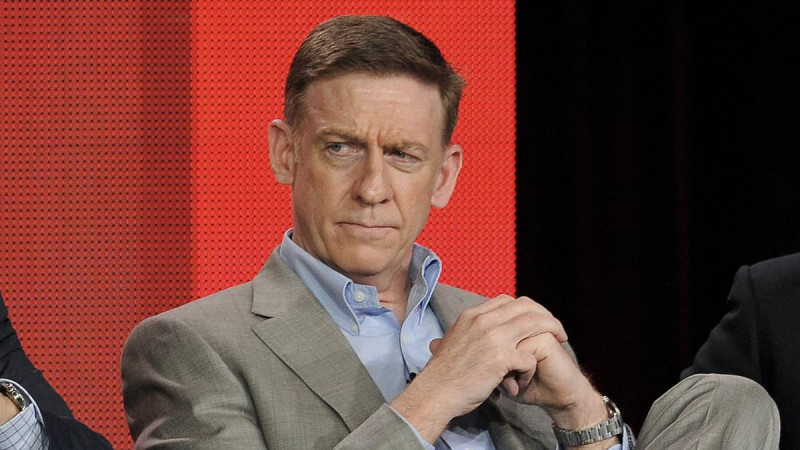
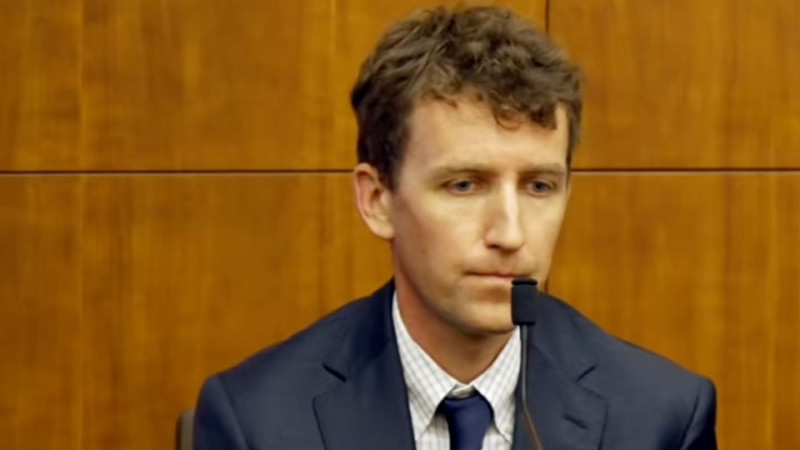
The fluorescent glare of the briefing room cast an eerie light on the faces of reporters and lawyers as they awaited a glimpse of the man whose opinions have reshaped the legal landscape of the United States. Samuel Alito, the Associate Justice of the Supreme Court, has garnered both admiration and scorn in equal measure. His jurisprudence, marked by a staunch conservatism, has been a lightning rod for controversy.
The Early Years of Samuel Alito: From Trenton to the Supreme Court
Samuel Anthony Alito Jr. was born on April 1, 1950, in Trenton, New Jersey. His journey to the Supreme Court was marked by a series of significant milestones. Alito received an A.B. from Princeton University in 1972 and a J.D. from Yale Law School in 1975. His early career included stints as a law clerk, an Assistant U.S. Attorney, and a Deputy Attorney General, all of which honed his legal acumen and prepared him for a pivotal role in the nation's highest court.
— While his education and initial appointments might seem pedestrian, they laid the groundwork for his eventual ascent to one of the most powerful positions in the legal world.
Alito's nomination to the Supreme Court by President George W. Bush in 2006 was met with a mix of excitement and apprehension. His confirmation hearings were a test of his judicial philosophy and a glimpse into the future of American jurisprudence. With a 58-42 vote, Alito was confirmed, setting the stage for a tenure that would be marked by landmark decisions.
Alito's Judicial Philosophy: Conservatism and Controversy
Justice Alito's judicial philosophy is deeply rooted in conservatism, a stance that has earned him both praise and criticism. His opinions on issues such as abortion, voting rights, and religious liberty have been the subject of intense scrutiny and debate. One of his most notable decisions was in Dobbs v. Jackson Women's Health Organization, which overturned the landmark Roe v. Wade decision, effectively ending the constitutional protection for abortion.
Alito's opinions often reflect his belief in the original intent of the Constitution, a perspective that has led to both groundbreaking and controversial rulings. For instance, in McDonald v. City of Chicago, he held that state and local laws restricting the right to bear arms violate the Second Amendment, a decision that has had far-reaching implications for gun control laws across the country.
— His views have sparked fierce debates, with supporters lauding his adherence to constitutional principles and critics decrying what they see as a rollback of hard-fought civil liberties.
Alito's Legacy: A Mixed Bag of Judicial Decisions
As of 2026, Justice Alito's legacy remains a complex tapestry of judicial decisions that have shaped American law. His rulings on voting rights, such as those in Shelby County v. Holder, have been particularly contentious. This decision, which gutted key provisions of the Voting Rights Act, has been both celebrated and condemned, depending on one's political leaning.
His commitment to religious liberty has also been a cornerstone of his jurisprudence. In cases involving the Establishment Clause and the Free Exercise Clause of the First Amendment, Alito has consistently argued for a broad interpretation of religious freedom, often in favor of religious institutions over secular interests.
"Alito's jurisprudence is a blend of strict textualism and a deep respect for the Constitution's original intent. His rulings often reflect a nuanced approach to complex legal issues, making him a pivotal figure in modern American jurisprudence." — Legal scholar, Justia U.S. Supreme Court Center.
— His legacy is a testament to the divisive nature of the Supreme Court, where every decision is a balancing act between upholding the law and shaping the future.
As the sun sets on the Supreme Court building, the hum of phones buzzing in pockets marks the end of another day of legal battles. Justice Alito's influence continues to loom large, with upcoming cases set to further define his legacy. One such case, involving the controversial birthright citizenship amendment, is set to be heard in the coming months — a decision that could redefine the very fabric of American citizenship. The stakes have never been higher, and the nation awaits with bated breath, wondering what the future holds for Justice Alito and the Supreme Court.