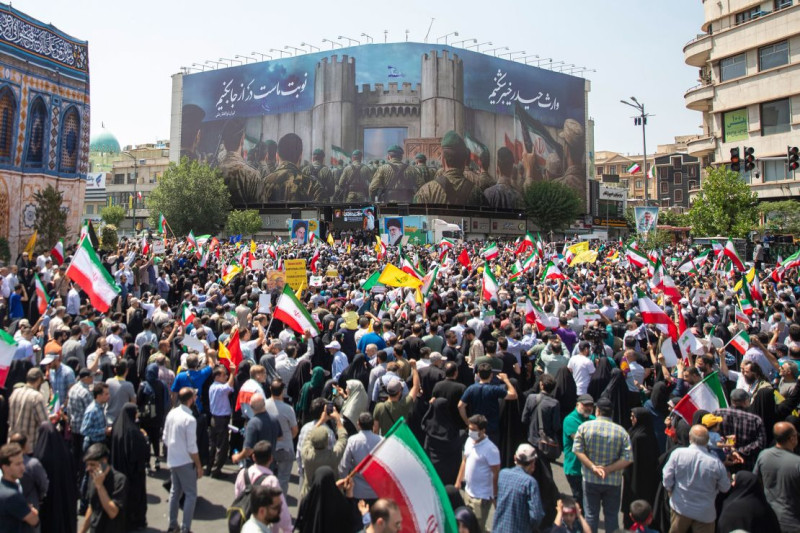
The sudden suspension of direct diplomacy between Iran and the United States is a stark escalation in an already volatile situation. As the world watches and waits, the implications of this diplomatic freeze are profound. These latest developments come after a series of devastating airstrikes and military operations.
Iran's Diplomatic Shutdown
In a move that has sent shockwaves through international relations, Iran has officially announced the cessation of direct diplomatic contact with the US . This decision comes against the backdrop of an ongoing war that has left cities like Tehran in ruins . The Iranian government has cited the US and Israel's military aggression as the primary reason for this drastic measure, arguing that the US has not shown any genuine commitment to peace .
But the question of what happens next is on everyone's mind. The United States has been a key player in international efforts to broker a ceasefire, and this sudden withdrawal could complicate those efforts significantly. The White House has so far remained tight-lipped about the situation, offering no comment beyond stating that diplomatic efforts are currently non-existent .
Impact on the Ground
Iran's decision to cut off direct diplomacy comes at a time when the war's humanitarian impact is growing more severe. People in Iran are enduring a level of suffering that many had hoped would remain a distant memory. The streets of Tehran, once bustling with life, are now marked by despair and disarray. The humanitarian crisis is worsened by an internet blackout, which prevents many from accessing crucial information and help during this crisis.
But this decision may have a wider impact. The Iranian Revolutionary Guard Corps (IRGC) has already threatened retaliatory strikes if the US and Israel continue their military operations. This could potentially lead to further escalations and a widening of the conflict, drawing in other regional powers.
Tehran's Next Move
With Iran now seemingly at a crossroads, the world is watching to see how the country will navigate its next steps. The IRGC is already vocal about its readiness to respond to any further aggression, promising retaliatory strikes that could escalate the conflict further.
The Iranian government has also indicated that it will not shy away from using its strategic assets, such as control of the Strait of Hormuz, as leverage in any future negotiations. Such a move would have profound implications for global energy markets and could potentially draw other nations into the conflict.
But as Iran prepares for potential widening of the conflict, the world must also consider the possibility of a humanitarian crisis. The BBC has reported that the humanitarian impact is already severe, leaving many Iranians in desperate need of assistance.
The question remains: will the international community step in to address this crisis and prevent further escalation? The world watches and waits, with the IRG's next move poised to shape the future of Iran and the Middle East.
The fate of direct diplomacy between Iran and the US hangs in the balance, with potential consequences that extend far beyond their borders.