The streets of Budapest are buzzing with a mix of anticipation and tension as Hungary prepares for its parliamentary election on April 12, 2026. The atmosphere is charged with the weight of history and the uncertainty of change. Viktor Orbán, the country's longstanding prime minister, faces his most competitive election yet.
The International Spotlight on Hungary's Election
The international community has its eyes fixed on Hungary as the country approaches its parliamentary election. This election is not just about who will lead Hungary; it's about the future of the European Union and the balance of power within it. Many European leaders and observers are watching closely, hoping for a shift that could reshape Hungary's domestic politics and its relationship with the EU.
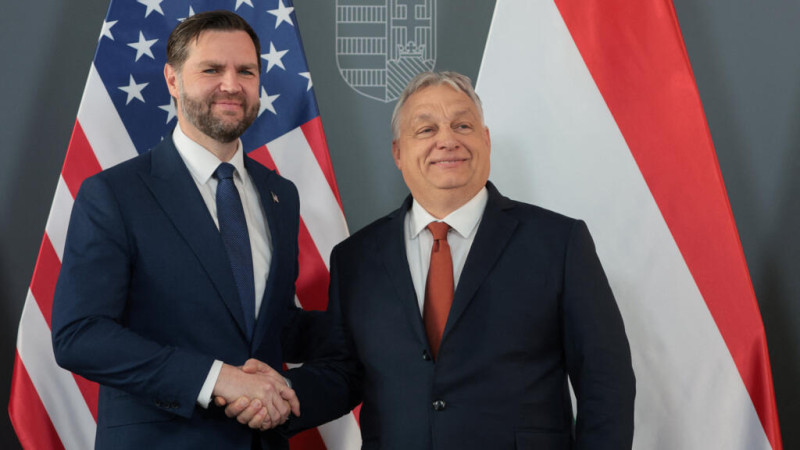
US Vice President JD Vance's recent visit to Budapest has added an extra layer of drama. Vance met with Viktor Orbán to show his support, highlighting the international stakes involved in this election. This visit has sparked debates about foreign interference, with Vance accusing the EU of meddling in Hungary's internal affairs.
Orbán's Grip on Power and the Challenges Ahead
The election comes at a pivotal moment for Orbán, who has been in power since 2010. His Fidesz party has dominated Hungarian politics for over a decade, and Orbán's control over the electoral process has been a point of contention. Critics argue that Orbán has manipulated the rules to maintain his grip on power, making it difficult for opposition parties to compete on a level playing field.
Viktor Orbán's opponents are rallying their supporters, hoping to capitalize on growing discontent with his authoritarian style. Péter Magyar, a prominent figure in the opposition, has been vocal about the need for change. "The election is a chance for Hungarians to take back control of their democracy," Magyar said.
In response to the opposition's criticisms, Orbán's supporters point to his economic policies and the stability he has brought to the country. One supporter, who wished to remain anonymous, said, "Orbán has done a lot for Hungary. He has kept us stable and secure, and that's what matters most."
Despite the challenges, Orbán's campaign has been bolstered by visits from international allies. US Vice President JD Vance's endorsement has added a significant boost to his campaign. In a pre-election rally in Budapest, Vance appeared on stage with Orbán, declaring, "Hungary is a key ally in Europe, and Viktor Orbán has been a steadfast leader who deserves our support."
The Implications for the EU and Beyond
The outcome of this election will have far-reaching implications for the EU. Orbán's rule has been characterized by a contentious relationship with the EU, with many accusing him of undermining democratic norms and the rule of law. A victory for Orbán could solidify his influence within the EU and further strain relations. Conversely, a defeat could signal a shift towards greater integration and cooperation with European partners.
Debates around the election have also highlighted the growing influence of external actors. Recent allegations of Russian operatives proposing a staged assassination to aid Orbán's campaign underscored the geopolitical complexities at play.
“In Hungary, this election is not just about who will lead; it's about the future of the European Union and the balance of power within it.”
The polls are open. The atmosphere is tense. The future of Hungary hangs in the balance.