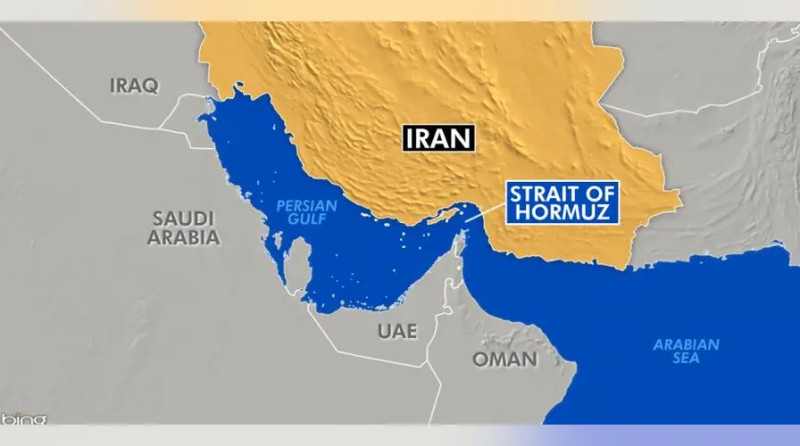
The ceasefire between Iran and the United States has brought a fragile calm to the Middle East, but the Strait of Hormuz remains a tinderbox. The narrow waterway, crucial for global oil supplies, is now open, but only for select nations, turning it into a strategic pressure point. Let's delve into the intricate chess game unfolding in the Middle East.
The Ceasefire and Its Implications
On April 6, 2026, Iran announced a ten-point plan following President Donald Trump's ceasefire declaration, marking a temporary halt in hostilities. The ceasefire, initially set for two weeks, aimed to ease tensions and potentially pave the way for a more lasting peace agreement. However, Iran has made it clear that any lasting resolution must address its core demands, rejecting temporary truces in favor of a permanent peace deal. This stance underscores Iran's commitment to leveraging its strategic assets, including the Strait of Hormuz, to gain an upper hand in negotiations.
The Strait of Hormuz: Open to Some, Closed to Others
One of the most critical aspects of Iran's strategy is its control over the Strait of Hormuz, a narrow passage that carries roughly one-fifth of the world's oil and liquefied natural gas. While the strait is technically open, Iran has imposed significant restrictions, effectively closing it to the United States and its allies. This selective closure allows Iran to exert control over global oil flows, turning the strait into a strategic tool in its negotiations with the US. The Iranian authorities have implemented a new toll system and checks, further tightening their grip on the waterway.
Global Response and the Road Ahead
The international community has reacted cautiously to Iran's assertions. Russia and China have vetoed a UN resolution aimed at reopening the Strait of Hormuz, further complicating efforts to restore normalcy. Iran's Foreign Minister Abbas Araghchi has warned that the strait remains open to global shipping but is effectively closed to the US and its allies, highlighting the strategic importance of the waterway in the ongoing conflict. As the global community grapples with the potential disruptions to oil supplies, the ceasefire in Iran offers a glimmer of hope for a more stable future, but the road ahead is fraught with uncertainty. Let's not kid ourselves; Iran's stance on the Strait of Hormuz is a bold move that could reshape regional dynamics for years to come. The data is damning: any further escalation could have catastrophic consequences for global energy markets.
The counter-argument here is that Iran's actions, while strategic, could also isolate it further from the international community. The selective closure of the Strait of Hormuz could lead to economic sanctions and diplomatic isolation, potentially weakening Iran's position in the long run. However, Iran seems willing to take this risk, betting on its ability to outlast its adversaries.
Here's what nobody's asking: with the ceasefire in place and the Strait of Hormuz under Iran's control, how long can the international community hold out before significant disruptions to oil supplies force a rethink of their strategies? The question looms large, and the answer could determine the future of global energy security.