Iran closes Strait of Hormuz in response to Israeli attacks
Iran shut the Strait of Hormuz after Israeli strikes on Lebanon, sparking global market volatility and diplomatic concern over maritime security.
Key points
- Iran closed the Strait of Hormuz following Israeli attacks on Lebanon.
- The closure allows limited passage for some vessels while restricting others.
- Global oil markets reacted with price fluctuations and uncertainty.
- International leaders expressed concern and called for calm.
- The move highlights Iran’s leverage over a critical maritime chokepoint.
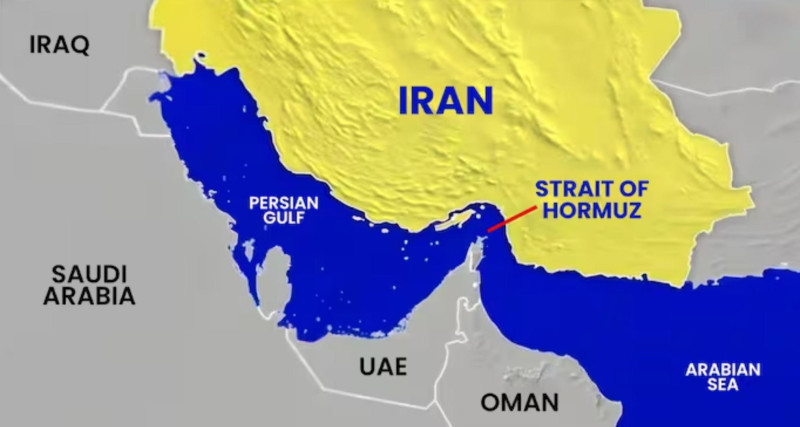
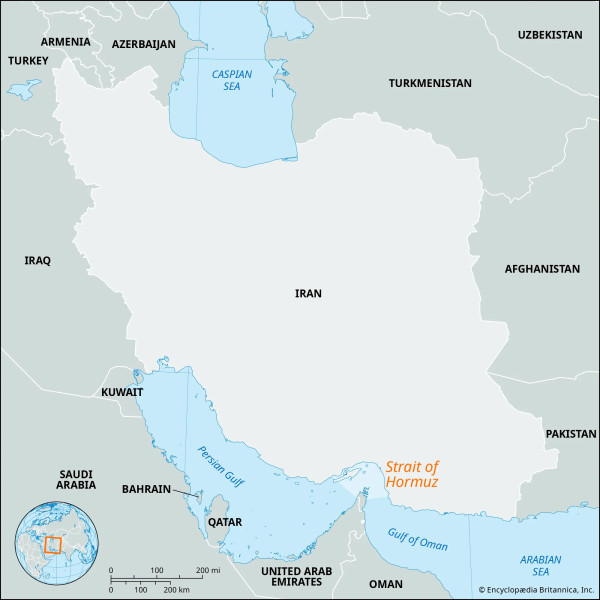
In the heart of the Middle East, the Strait of Hormuz, a narrow waterway connecting the Persian Gulf to the Gulf of Oman, has once again become the epicenter of geopolitical tension. On April 8, 2026, Iran closed the Strait of Hormuz, a strategic move that sent shockwaves through global markets and diplomatic circles. The closure, precipitated by Israeli military attacks on Lebanon, has raised critical questions about maritime security, international trade, and the balance of power in the region.
The Strait of Hormuz: A Global Chokepoint
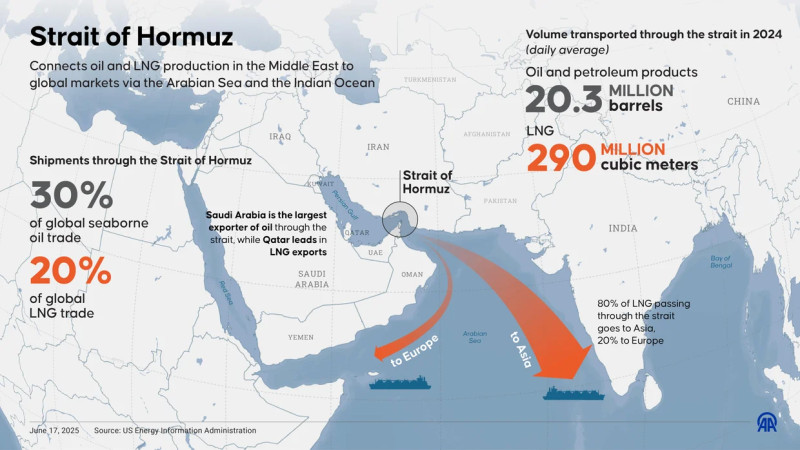
The Strait of Hormuz is more than just a narrow passage; it is a global chokepoint where approximately 20% of the world's oil supply passes through daily. This strategic waterway is vital not only for the flow of energy resources but also for the geopolitical maneuvering of nations. Iran, with its effective control over the strait, has used this leverage to assert its influence in the face of international pressures, particularly from the United States and Israel. The recent closure, following through on an earlier threat, highlights Iran's strategic maneuvering in the complex geopolitical landscape.
Iran's Tactical Closure: A Response to Israeli Aggression
Iran's decision to close the Strait of Hormuz was a direct response to Israeli military actions in Lebanon, targeting Iran-backed Hezbollah. The closure, announced by Iranian state media, underscores the delicate balance of power in the Middle East, where conflicts often spill over national borders. The move has led to a selective closure, allowing certain countries safe passage while asserting control over a critical maritime route. This selective approach has complicated the situation, with some tankers still being allowed to pass, further muddying the waters of international diplomacy and maritime law.
“Iran's control over the Strait of Hormuz gives it a significant leverage in regional politics. It’s a game of chess where every move has a cascading effect on global energy markets and geopolitical stability.” — International Relations Expert, Dr. Amina al-Hassan
Global Reactions and Diplomatic Maneuvering
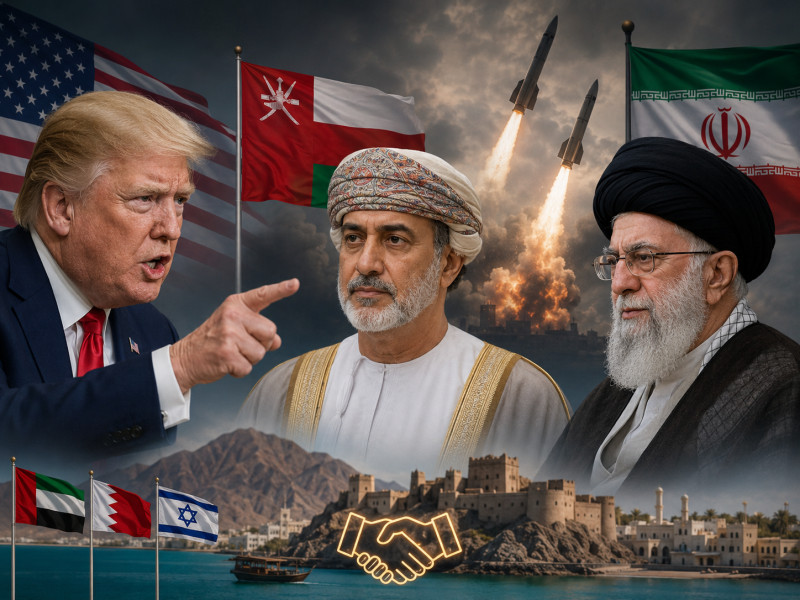
The international community has reacted with a mix of concern and cautious diplomacy. President Donald Trump, who had previously announced a ceasefire agreement with Iran, has denied any misunderstandings, claiming that Iran's actions are a misinterpretation of the agreement. Meanwhile, the shipping industry, with numerous vessels still awaiting passage, is left in limbo, unsure of the next steps. The closure has also raised questions about the future of maritime security and the potential for further escalations in the region.
The closure of the Strait of Hormuz has had immediate effects on global energy markets, with oil prices fluctuating and speculations about future tolls in cryptocurrency adding another layer of complexity. This strategic move by Iran, while aimed at asserting control and leverage, has broader implications for global trade and international relations.
As the world watches the events unfold in the Strait of Hormuz, one question looms large: how will the international community respond to Iran's closure, and what does this mean for the future of maritime security and geopolitical stability in the Middle East? The answer, for now, remains shrouded in the dense fog of uncertainty that hangs over the critical waterway.
Your questions, answered
Why did Iran close the Strait of Hormuz?
Iran closed the Strait in response to Israeli military actions targeting Hezbollah in Lebanon.
What impact did the closure have on oil markets?
Oil prices fluctuated as traders reacted to the potential disruption of a route that carries about 20% of global oil.
Quick poll
Should the international community impose sanctions on Iran for closing the Strait?
0 votes
How does this story make you feel?
Topics
 Up next · PoliticsPope Leo XIV and Pentagon clash highlights US‑Vatican tensions