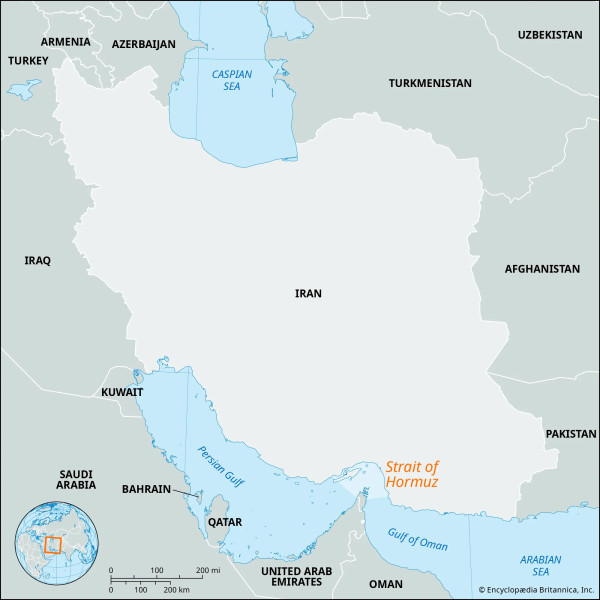
Strait of Hormuz partially reopened amid Iran‑Israel standoff
The Strait of Hormuz, a key oil route, is partially open but heavily restricted after Iran closed it in response to an Israeli attack on Lebanon. The move includes a demand for cryptocurrency tolls and a no‑strike guarantee from the U.S. and Israel.

Key points
- Iran closed the Strait after an Israeli attack on Lebanon, citing a ceasefire violation.
- The strait is now partially open but ships face heavy restrictions and delays.
- Iran demands shipping firms pay tolls in cryptocurrency to allow passage.
- Reopening will only occur with a no‑strike guarantee from the U.S. and Israel.
- The closure risks higher oil prices and supply chain disruptions worldwide.
In the quiet of the night, the usually bustling waters of the Strait of Hormuz are now a scene of uncertainty and tension. The narrow waterway, a critical artery for global oil trade, is partially reopened but remains heavily restricted, causing ripple effects across the global economy. The situation is a delicate dance, with Iran and Israel locked in a standoff that has the world watching closely. Close to Oman, the marine traffic is a mere shadow of its normal self, as ships navigate the volatile waters with caution.
The Current State of the Strait of Hormuz
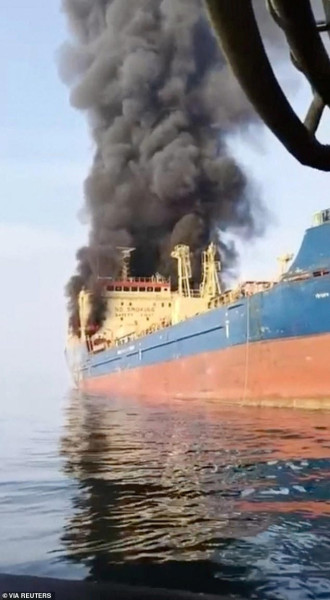
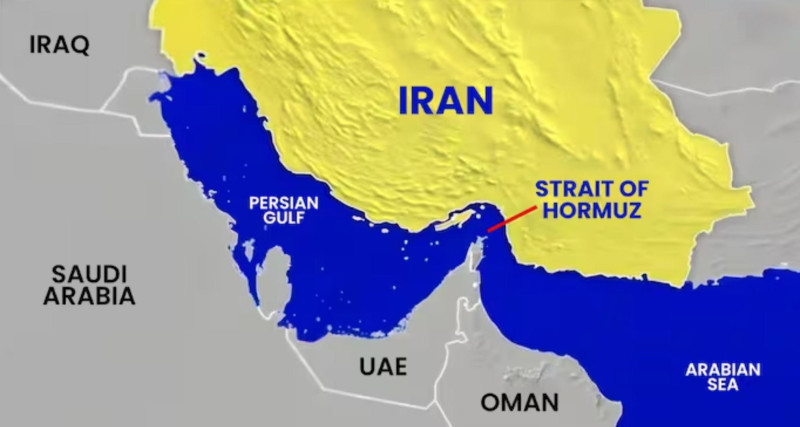
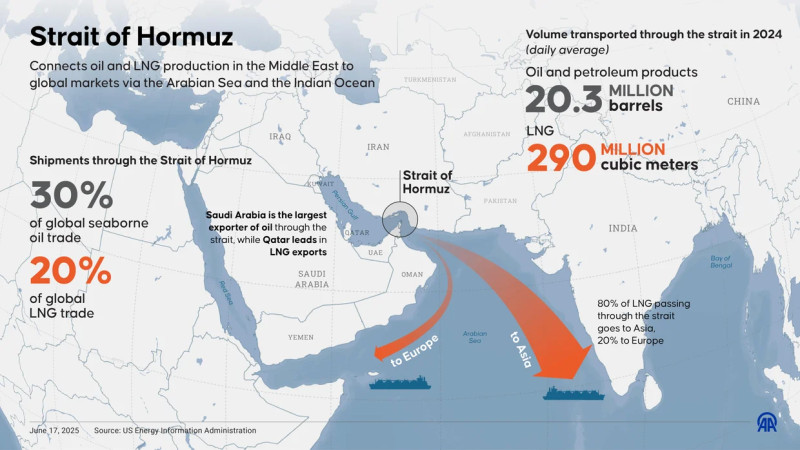
The Strait of Hormuz, a narrow chokepoint that carries roughly one-fifth of the world's oil and liquefied natural gas, is no longer fully closed but remains heavily restricted. The recent Israeli attack on Lebanon has led to Iran closing the Strait of Hormuz, citing a violation of a ceasefire agreement by Israel. This partial closure has led to significant disruptions in marine traffic, with ships facing increased scrutiny and delays.
The situation is further complicated by Iran's demand that shipping firms pay tolls in cryptocurrency to allow their oil tankers through the Strait of Hormuz. This move, while unorthodox, is seen as a strategic ploy by Iran to gain leverage in the ongoing conflict. The demand for tolls in cryptocurrency is a reflection of the broader economic sanctions and financial isolation Iran faces, making traditional payment methods challenging.
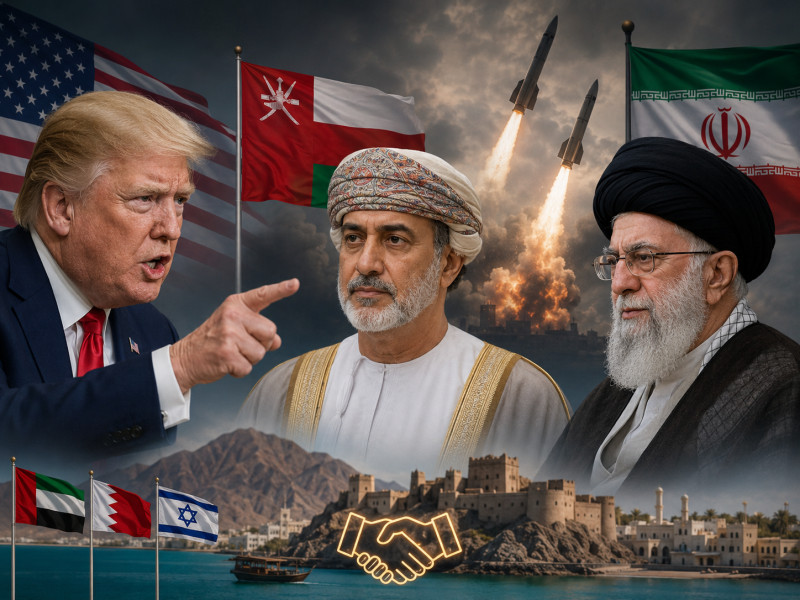
The Strait of Hormuz will only reopen after lasting peace and a no-strike guarantee from the US and Israel, according to Iran. This demand underscores Iran's determination to secure assurances against future attacks, adding another layer of complexity to the already tense situation.
The Regional and Global Impact
The partial closure of the Strait of Hormuz has significant implications for the global economy, particularly for countries heavily reliant on oil imports. The Strait of Hormuz remains a critical shipping route, and any disruption can lead to spikes in oil prices and supply chain disruptions. The live tracking dashboards and shipping disruption monitors provide real-time updates on the situation, highlighting the extent of the crisis and its impact on global trade.
"The current situation is a powder keg waiting to explode," says a marine traffic analyst based in Oman, who spoke on the condition of anonymity. "The Strait of Hormuz is more than just a waterway; it's a lifeline for the global economy. Any prolonged closure or restriction could have catastrophic consequences."
The current situation in the Strait of Hormuz is a stark reminder of the delicate balance of power in the region. The closure and partial reopening of the strait highlight the strategic importance of this waterway and the geopolitical tensions that surround it. As the world watches, the future of the Strait of Hormuz hangs in the balance, with the potential for further disruptions and escalations.
"This is a critical moment for the region and the world. The Strait of Hormuz is a lifeline for global energy supplies, and any disruption could have far-reaching consequences. We need a diplomatic solution to ensure the safety and security of this vital waterway."
The Immediate Implications and Future Outlook
The immediate implications of the partial reopening of the Strait of Hormuz are significant, with marine traffic facing increased scrutiny and delays. The situation is further complicated by Iran's demand for tolls in cryptocurrency, which adds another layer of complexity to the already tense situation. The future outlook remains uncertain, with the potential for further disruptions and escalations. The Strait of Hormuz will only reopen under Iranian military oversight for the next two weeks, adding to the uncertainty and tension in the region.
In the end, the situation in the Strait of Hormuz is a complex web of geopolitical tensions, economic interests, and strategic calculations. As the world watches, the future of this critical waterway remains uncertain, with the potential for further disruptions and escalations. The demand for a no-strike guarantee from the US and Israel adds another layer of complexity to the situation, highlighting the need for a diplomatic solution to ensure the safety and security of the Strait of Hormuz.
The situation in the Strait of Hormuz, the partially open maritime chokepoint, remains a critical concern for global energy supplies and marine traffic. As the world watches, the future of this vital waterway hangs in the balance, with the potential for further disruptions and escalations. The demand for a no-strike guarantee from the US and Israel adds another layer of complexity to the situation, highlighting the need for a diplomatic solution to ensure the safety and security of the Strait of Hormuz.
Your questions, answered
Why did Iran close the Strait of Hormuz?
Iran closed the strait after an Israeli attack on Lebanon, claiming Israel violated a ceasefire agreement.
What is Iran demanding from shipping firms?
Iran wants shipping firms to pay tolls in cryptocurrency to allow their tankers through the strait.
How does this story make you feel?
Topics
 Up next · PoliticsMark Rutte's Pivotal Role in NATO Amid Trump's Greenland Gambit