Maui Doctor Konig Trial Update: Shocking Verdict Leaves Community Reeling
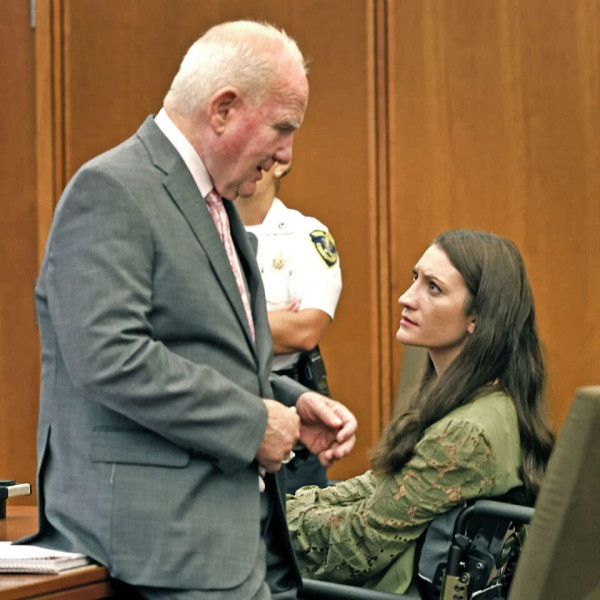
The Konig trial verdict, announced Wednesday, has sent shockwaves through Maui and beyond. The jury found Dr. Gerhardt Konig, a 47-year-old anesthesiologist, guilty of attempted manslaughter, not the more severe charge of attempted murder he was facing.
Maui Doctor's Trial for Attempted Murder: A Twisting Trail of Deception
The Konig trial has been a rollercoaster of revelations and twists. The case centers around a fateful hike on the Pali Puka Trail in Oahu last year. Prosecutors alleged that Dr. Konig pushed his wife, Arielle, near a cliff and then beat her multiple times with a rock, leaving her severely injured.
Konig's defense, however, painted a picture of a tragic accident, claiming that his wife's injuries were the result of a fall. The prosecution countered with dramatic evidence, including a confession that Konig initially denied making. This confession, along with a conflicting testimony from Arielle Konig, left the jury with a complex puzzle to solve.
Arielle Konig’s Brave Testimony: The Heart of the Trial
The Konig trial hinged on the testimonies of the two central figures: Dr. Gerhardt and Arielle Konig. The jury had to weigh the conflicting accounts presented by the couple. Arielle’s testimony was particularly powerful, detailing the horrific events of that day and the emotional trauma she endured.
Her graphic account of being pushed near the cliff and then attacked left an indelible mark on the courtroom. The jury’s decision to convict Konig of attempted manslaughter, rather than the more serious charge of attempted murder, reflects the complexity of the case and the nuances of intent and motive that were at play.
Jury Deliberations and the Shocking Verdict
The jury deliberated for days, sifting through the evidence and testimonies before reaching their verdict. The deliberations were intense, with the jury weighing the conflicting accounts and the gravity of the charges.
The announcement of the verdict came as a surprise to many. The prosecution had sought a conviction for attempted murder, but the jury’s decision to convict on the lesser charge of attempted manslaughter was a twist that left the courtroom buzzing with speculation.
“This is complex. The jury had a tough job weighing intent and motive, especially when the defense presented an alternative narrative. It’s a tough pill to swallow for both sides,” said a legal analyst closely following the Konig trial
The prosecution's case, bolstered by the confession and Arielle's testimony, was compelling. The defense, however, managed to cast doubt on the specifics of the confession and the timeline of events, leading to the lesser charge.
The Konig trial verdict has left the community in a state of shock and disbelief. The case has been a stark reminder of the dark secrets that can lurk behind seemingly ordinary lives. The trial's outcome raises questions about the nature of intent and the complexities of human relationships. As the dust settles, one thing is clear: the Konig trial will be a case that lingers in the collective memory of Maui and beyond.
“We were all hoping for a clear-cut answer, but life isn’t always so simple. The verdict is a testament to the complexity of human motives and the difficulties of unraveling the truth in such a case,” said an observer.
How does this story make you feel?
 Up next · HealthDr Pimple Popper Health Scare: Sandra Lee's Stroke and Its Aftermath