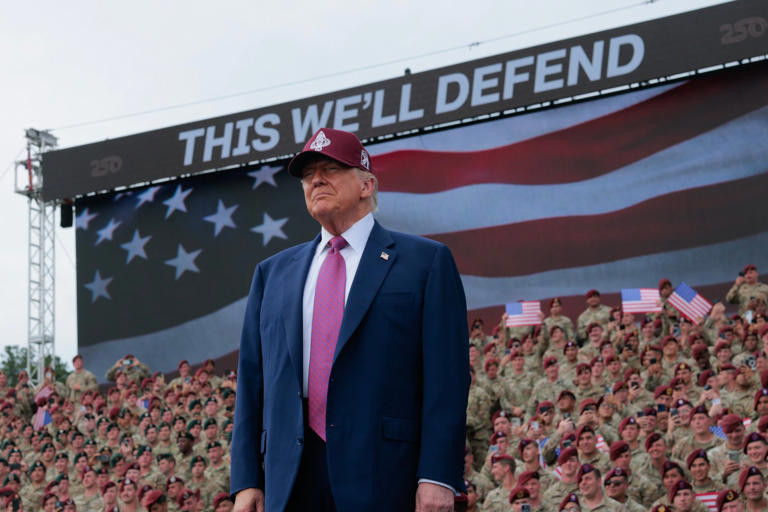
In the fluorescent glow of the Pentagon's briefing room, the hum of phones buzzing in pockets, and the tense silence of reporters waiting for the announcement, a significant shift in U.S. military policy was unveiled. President Donald Trump had signed into law a new military draft registration process. As of December 2026, the Selective Service System will automatically register eligible men between the ages of 18 and 25 for the military draft.
Automatic Registration: A Historic Shift in Draft Eligibility
The new law, part of the fiscal year 2026 National Defense Authorization Act, marks a historic shift in how the U.S. prepares for potential military drafts. For decades, eligible men have been required to self-register with the Selective Service System, but this process has often been fraught with issues of compliance and oversight. Automatic registration aims to streamline this process, ensuring that all eligible men are included in the Selective Service database without the need for individual action.
This change, mandated by President Trump, was part of broader legislative efforts to modernize the military and enhance readiness. The Selective Service System, which maintains the draft-eligible database, will now use federal databases to identify and register eligible men automatically. This move is expected to significantly increase compliance rates and reduce the administrative burden on the system.
Implications for Young Men and the Military
The implications of this change are profound. For young men, automatic registration means that they will be added to the Selective Service database without any action on their part, a shift that eliminates the risk of overlooking eligible individuals. However, this also raises questions about privacy and the potential for errors in the registration process.
For the military, the move to automatic registration is seen as a step towards greater preparedness. With a larger and more accurate database of eligible individuals, the military can more effectively plan and mobilize in times of crisis. This could mean faster response times and more efficient resource allocation, critical factors in maintaining national security. — But there's skepticism too. Some critics argue that the automatic registration process could lead to an influx of unsuitable or unqualified recruits, potentially weakening the overall strength of the military.
The Role of the Selective Service System and Future Prospects
The Selective Service System, which has long been the backbone of U.S. military draft registration, will play a pivotal role in implementing this new process. The agency, which operates under the direction of the President, is responsible for maintaining the database of eligible individuals and ensuring that the registration process is fair and accurate.
As the 2026 deadline approaches, the Selective Service System is working diligently to prepare for the transition to automatic registration. This includes updating its systems to accommodate the new process, training staff on the changes, and communicating with the public about what to expect. The agency has also begun outreach efforts to educate eligible men about their responsibilities and the benefits of registration, such as eligibility for certain jobs and student aid.
“The move to automatic registration is a significant step forward in modernizing our military readiness,” said a Pentagon spokesperson. “It ensures that we have a comprehensive and accurate database of eligible individuals, ready to serve when needed.”
— But the question remains: what happens next? How will the military handle the influx of new registrants? And what challenges might arise as the system adapts to this new reality? Only time will tell. But one thing is certain: the landscape of military draft registration is changing, and the stakes have never been higher.