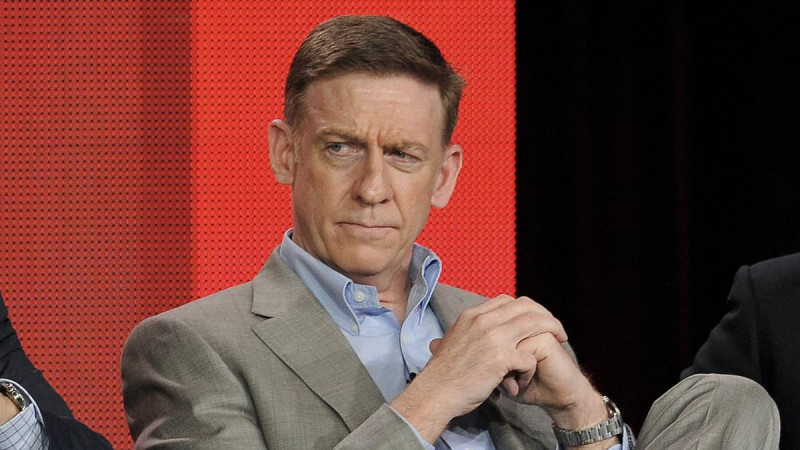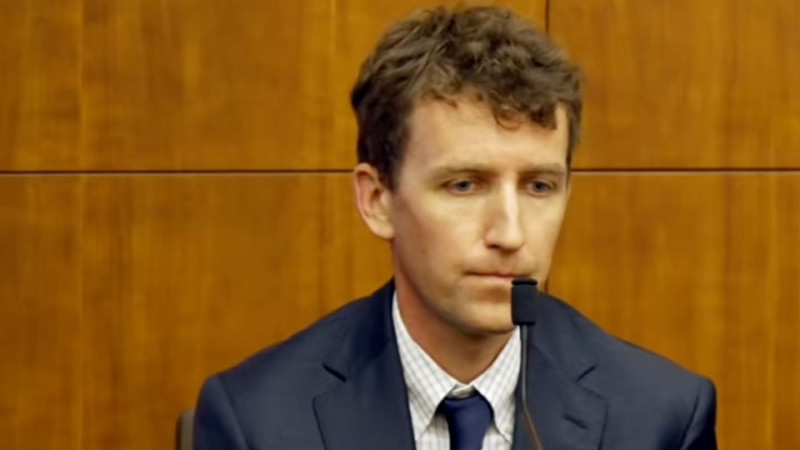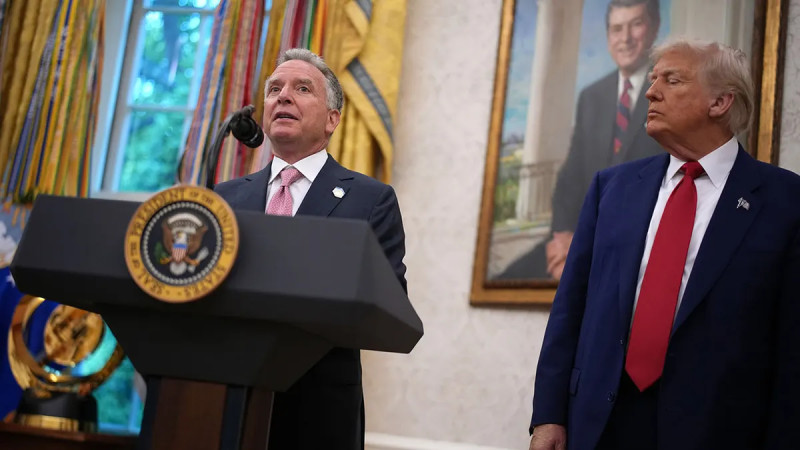
The fluorescent glare of the briefing room in Islamabad sharpened the faces of Vice President JD Vance, Special Envoy Steve Witkoff, and Donald Trump's son-in-law Jared Kushner as they prepared to engage in crucial diplomatic talks with Iranian leaders.
High-Stakes Negotiations: US Delegation Arrives in Pakistan
In the tense aftermath of escalating tensions in the Strait of Hormuz, the air in Islamabad was charged with a mix of anticipation and trepidation. The arrival of Vice President JD Vance, special envoy Steve Witkoff, and Jared Kushner signaled a major diplomatic push by the United States to resolve the ongoing Iran-US conflict .
The high-stakes negotiations come at a critical juncture, as the region teeters on the brink of broader conflict. The US delegation, which includes key figures from the Trump administration, has been tasked with navigating the complex web of interests and grievances that have led to the current crisis. The talks, set to be held in Pakistan, are being closely watched by international observers and analysts who hope for a peaceful resolution to the longstanding Iran-US tensions .
The Trump administration has been clear in its message: Iran must be held accountable for its actions. Witkoff, who has been at the forefront of the negotiations, emphasized the need for a strong and decisive response. "Iran thought they could strong-arm us," Witkoff said during an interview on 'Fox News,' highlighting the US's determination to assert its position in the face of Iranian aggression .
Iran-US-Israel Tensions: A Fragile Pause
As the world watches, a fragile ceasefire has been agreed upon, offering a momentary respite from the escalating tensions. This two-week pause in hostilities comes after intense negotiations and is seen as a crucial step toward de-escalating the crisis. The ceasefire, brokered by Iran and the US, is a delicate balance that both sides hope will lead to lasting peace .
However, the ceasefire is far from guaranteed. Both sides have made it clear that while they are open to negotiations, the underlying issues that led to the conflict remain unresolved. President Trump's recent statements, warning of potential attacks on Iranian assets, underscore the precarious nature of the situation .
The hum of phones buzzing in pockets and the murmured discussions among journalists in the briefing room hinted at the high stakes involved. The US delegation is under immense pressure to secure a deal that not only addresses immediate security concerns but also lays the groundwork for long-term stability in the region. The Iran-US-Israel conflict is a complex web of historical grievances, geopolitical interests, and strategic considerations, making the task of the US delegation all the more challenging .
The Road Ahead: Uncertainty and Opportunity
The road ahead is fraught with uncertainty, but it also presents an opportunity for both sides to step back from the brink and engage in meaningful dialogue. The talks in Pakistan are a testament to the ongoing efforts to resolve the conflict through diplomacy rather than military action. The presence of high-level US officials underscores the administration's commitment to finding a solution, even as the challenges remain daunting .
The situation in the Strait of Hormuz, a critical waterway for global oil trade, remains a focal point of concern. President Trump's assertion that the US will help manage the traffic buildup in the region offers a glimmer of hope amidst the uncertainty. This support is crucial, as the stability of the Strait of Hormuz is vital for global energy security .
The future of the Iran-US relationship hangs in the balance, with the outcome of these negotiations potentially shaping the geopolitical landscape of the Middle East for years to come. As the talks continue, the world watches and waits, hoping for a breakthrough that could bring an end to the conflict and usher in a new era of stability and cooperation.
The US-Iran conflict is a testament to the enduring challenges of international diplomacy and the delicate balance between military might and diplomatic finesse. As the stakes remain high and the situation remains uncertain, the world looks to the negotiation table in Islamabad, where the fate of global peace and security may be decided. — "The stakes are incredibly high, and every decision we make will have far-reaching consequences." —Special Envoy Steve Witkoff