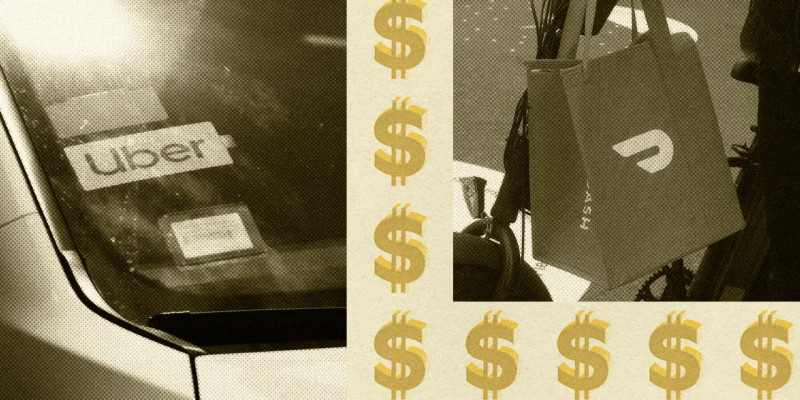
Monday, April 13, 2026, President Donald Trump made headlines for an unusual delivery at the Oval Office, McDonald's arrive via DoorDash. This wasn't just a hunger pang; the scene was staged to tout a significant tax policy change.
The DoorDash Driver's Surprise at the White House
It was a moment that nobody saw this coming. The Oval Office, typically a hub of serious policy discussions, was invaded by the aroma of fast food. President Trump received two large bags of McDonald's from a DoorDash delivery person, Sharon Simmons, who was promptly invited into the Oval Office, where she was then handed a $100 bill as a tip. The driver, who was not expecting the encounter, was caught off guard by the impromptu press event.
The "No Tax on Tips" Policy: A Political Masterstroke?
The main event wasn't the fast food, but the policy Trump used it to promote. The so-called 'No Tax on Tips' policy, which exempts up to $25,000 in tips from federal income taxes from 2025 through 2028. The policy, which comes with a significant impact on gig workers who rely on tips, aims to support the livelihoods of delivery drivers.
The Political Calculus Behind the DoorDash Delivery
Yet, a DoorDash delivery to the Oval Office is more than just a photo op. President Trump is known for his unconventional stunts, but this one has a political edge. The delivery highlighted the 'no tax on tips' policy, a provision designed to benefit gig workers like DoorDash drivers. It also served as a reminder of the broader tax reforms that Trump has championed throughout his presidency.
“I want to see these hard-working folks get the support they deserve. This policy is a step in that direction.” - President Donald Trump, White House Press Conference.
But does the move signal a genuine effort to support gig workers, or is it a calculated political maneuver to win over voters in an election year? Think again. The timing of the delivery, coupled with the auspicious date, suggests that the political calculus is a significant factor in this stunt.
What's more, the 'no tax on tips' policy, while beneficial to gig workers, also introduces a layer of complexity into the already contentious tax landscape. The provision, which allows certain workers to deduct 'qualified tips' from their federal income taxes, may end up benefiting only a select few.
Critics have pointed out that the policy may not go far enough to support all gig workers, who often face precarious working conditions and lack basic employment protections. The delivery, while a publicity stunt, has brought these issues to the forefront, sparking a necessary debate about the future of work and the role of gig economy workers in society.
As the delivery van pulls away from the White House, the smell of fries and burgers lingers in the Oval Office, leaving a stark contrast to the usual pomp and circumstance. The question remains: How many more fast food orders will it take before we see real change?