Wisconsin issues tornado warning for southeast counties
The National Weather Service issued a tornado warning for southeastern Wisconsin on April 14, affecting Madison and Milwaukee areas, prompting residents to seek shelter as severe storms moved through the region.
Key points
- A tornado warning was issued for southeastern Wisconsin on the evening of April 14.
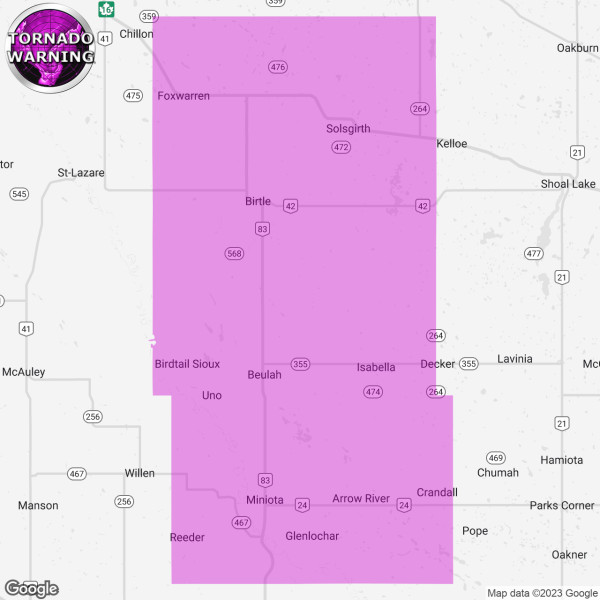
- The alert affected Dodge, Fond du Lac, Washington, Ozaukee, and Sheboygan counties.
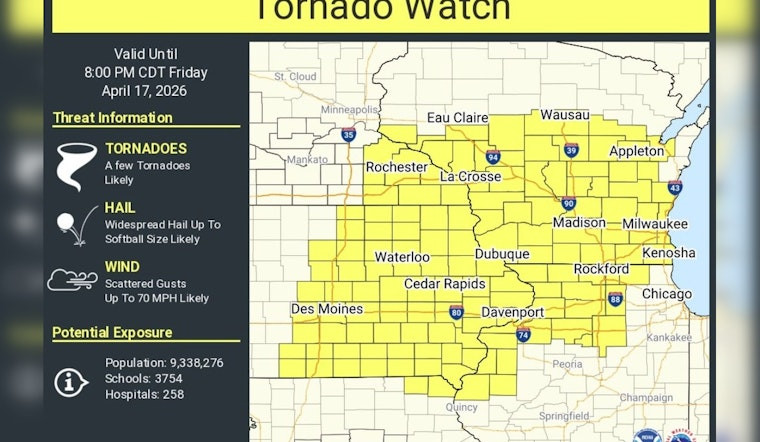
- Madison and Milwaukee are under severe weather alerts with a watch until 10 p.m.
- Wisconsin averages 23 tornadoes per year, with peak season in April and May.
- Residents are advised to seek shelter immediately when warnings are issued.
It's 2026, and Wisconsin is once again grappling with a tornado warning that has left residents on edge. Although the tornado watch was issued by the National Weather Service, the real threat was the sudden, unpredictable nature of these storms. As the April 14th tornado warning unfolded, Wisconsin braced for the worst—severe thunderstorms, hail, and local tornadoes.
Wisconsin Braces For The Worst: Live Alerts & Historical Patterns
Wisconsin is no stranger to tornadoes. In fact, the state averages 23 tornadoes a year, with peak season typically hitting in April and May. This year, the tornado warning for southeastern Wisconsin in the evening hours, following a day of heavy rain, has left residents wondering what's next. Meteorological data shows that severe weather patterns, such as these, are becoming more common, leaving scientists and residents alike to wonder what the future holds.
Madison & Milwaukee Weather Alerts: Tracking The Storm
The tornado warning is not just a threat for rural areas. Madison and Milwaukee are also under severe weather alerts. Madison's National Weather Service issued a tornado watch until 10 p.m., affecting Dodge, Fond du Lac, Washington, Ozaukee, and Sheboygan counties. This isn't just about the tornado watch; it's about preparing for the worst. Local news stations, like Today's TMJ4, bring detailed weather updates, ensuring residents stay informed and safe.
For those in the path of the storm, the live weather map is a lifeline, tracking tornadoes in real-time. Tools like tornado tracker maps help residents stay informed about the storm's movement. This isn't just about staying safe; it's about being ready for anything. Residents are advised to seek shelter immediately when a tornado warning is issued, as these storms can be deadly.
Yet, severe weather isn't just about tornadoes. Thunderstorm warnings and severe weather statements are crucial in keeping residents safe. For those in the path of the storm, being prepared means watching the skies and following official alerts.
“It’s important to remember that even if you don’t see the tornado, it can still be dangerous. Debris and high winds can cause significant damage. Always take shelter immediately when a warning is issued,” says a meteorologist from the National Weather Service.
Tornado Facts And Severe Weather: What You Need To Know
Tornadoes are unpredictable, and that's a fact. They can cause fatalities and devastate communities in seconds. Wisconsin's tornado warning system is designed to give residents the best chance of survival. But here's the thing: understanding the tornado warning system is just the first step. Residents need to be proactive, not reactive. This means having a plan and practicing it regularly, especially during peak tornado season.
Yet, for many, the threat of severe weather is more than just a weather alert. It's a reminder of the power of nature and our vulnerability. Wisconsin's residents are resilient but also aware of the ever-present threat of severe weather. The state's weather patterns, from thunderstorms to tornadoes, are a part of life here.
And then — get this — the tornado warning in Wisconsin is not just about the storm; it's about the community. It's about neighbors helping neighbors, staying informed, and being prepared. Look, severe weather is unpredictable. But with the right tools and information, Wisconsin's residents are ready to face whatever comes their way.
So, where do we go from here? How will Wisconsin adapt to the increasing threat of severe weather? Stay tuned for more updates as we weather the storm together.
Your questions, answered
Which counties in Wisconsin are under a tornado warning?
The warning affects Dodge, Fond du Lac, Washington, Ozaukee, and Sheboygan counties in southeastern Wisconsin.
When is the peak tornado season in Wisconsin?
The peak season for tornadoes in Wisconsin typically hits in April and May.
Quick poll
Do you have a plan for severe weather emergencies?
0 votes
How does this story make you feel?
Topics
 Up next · WorldKansas Tornadoes: The Sky's Fury Unleashed