7-Eleven Closing Stores: A Major Retail Shift in 2026
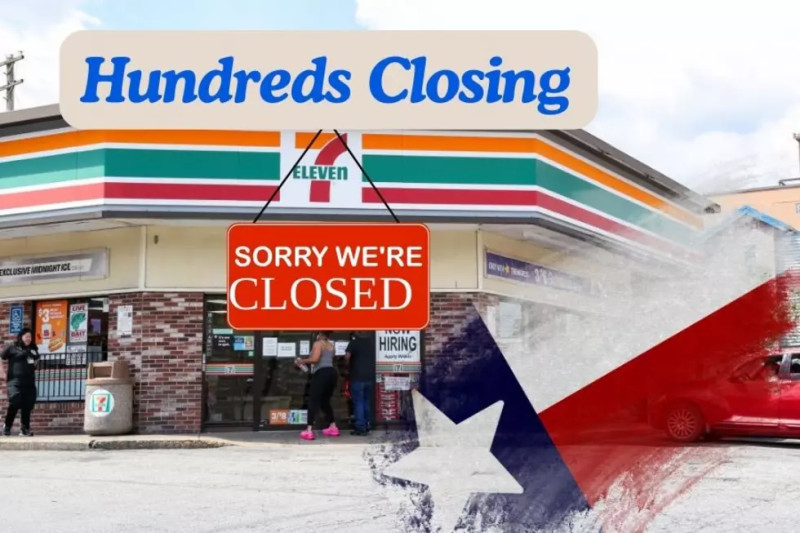
In an unexpected move, 7-Eleven is shutting down 645 stores across North America. The convenience store giant is pivoting towards a future focused on fresh food and wholesale fuel, leaving behind a legacy of convenience that has defined the chain for nearly a century.
The Strategic Shift: Why 7-Eleven Is Closing Hundreds of Stores
7-Eleven's decision to close 645 stores in 2026 marks the fifth year in a row that the chain has shuttered more locations than it has opened. This aggressive retail shift is part of a broader strategy to reimagine its business model. The chain is focusing on larger wholesale fuel stores and fresh food offerings, aiming to stay competitive in a rapidly changing retail landscape.
Think again. The convenience store industry is undergoing a massive transformation, driven by shifting consumer preferences and advancements in technology. 7-Eleven's decision is not just about closing underperforming stores; it's about rethinking the entire convenience model. Gone are the days of small, cramped stores stocked with candy and soda. Today's consumers demand fresh, healthy options and seamless shopping experiences.
With plans to open 200 new locations by 2030, 7-Eleven is betting big on this new direction. The chain is investing in larger, more modern retail spaces that can accommodate a wider range of products and services. This includes fresh food options, expanded grocery selections, and even fuel stations.
The Impact on Communities and Employees
The closure of 645 stores will have a significant impact on communities and employees. For many, 7-Eleven is more than just a convenience store; it's a neighborhood hub, offering a sense of connection and familiarity. The loss of these stores could leave some communities feeling disconnected and underserved.
For the employees who have dedicated years to these stores, the closures represent a drastic change. While 7-Eleven has not yet released a list of the locations that will be shut down, the uncertainty is already taking a toll. The chain has been tight-lipped about its plans, leaving employees and customers in the dark.
But what about the communities that rely on these stores for essentials? The closures could leave some areas with limited access to basic goods and services, exacerbating existing inequalities.
What Does the Future Hold for 7-Eleven?
Despite the closures, 7-Eleven remains a formidable player in the retail landscape. With around 13,000 locations still in operation across the United States, Mexico, and Canada, the chain is far from disappearing. The closures are part of a larger business overhaul aimed at positioning 7-Eleven for long-term success.
The chain is planning to double down on technology and innovation to enhance the customer experience. This includes everything from mobile ordering and delivery to advanced inventory management systems.
“This is not just about closing stores; it's about reinventing the convenience store experience for a new generation of consumers.” — 7-Eleven CEO Joseph DePinto.
The closures also raise questions about the future of convenience stores in general. As consumer preferences evolve and technology advances, traditional convenience stores may no longer be viable. The question is, can 7-Eleven adapt quickly enough to stay ahead of the curve?
In a world where shopping is increasingly digital, 7-Eleven's bold business overhaul could be a glimpse into the future of retail. Just as the Sears catalog revolutionized shopping in the early 20th century, 7-Eleven's new model could redefine convenience for the modern age.
How does this story make you feel?
 Up next · BusinessThe Stock Market Today: A Storm of Numbers and Trends