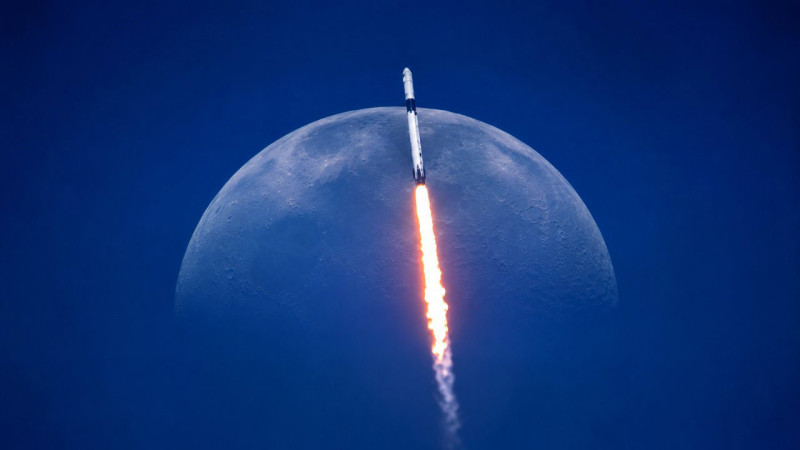
SpaceX Falcon 9 Launch Today: A Milestone in Space Exploration

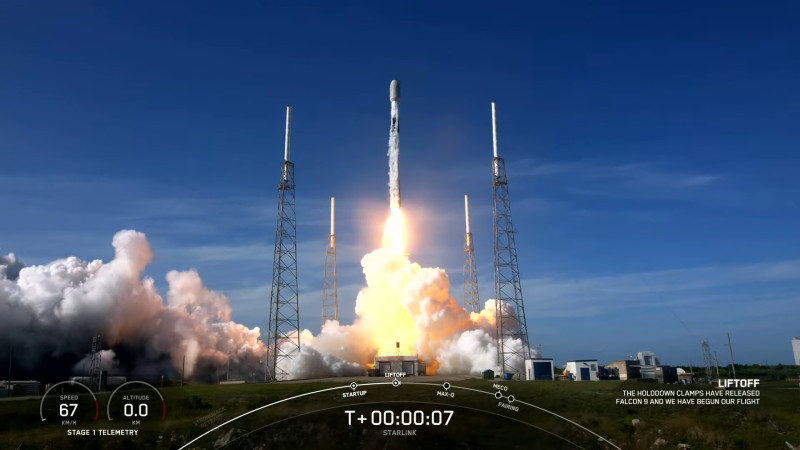
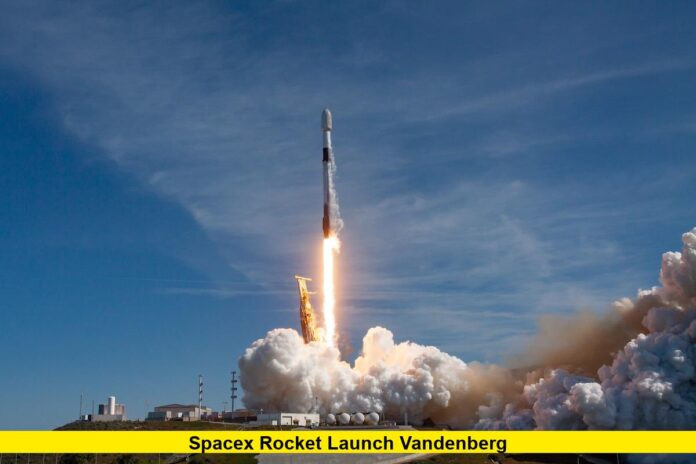
Today, April 14th, 2026, marked a significant milestone in space exploration as SpaceX successfully launched its Falcon 9 rocket from Launch Complex 40 at Cape Canaveral, Florida.
Launch Details and Mission Objectives
The launch was a critical mission that saw a SpaceX Falcon 9 rocket carry a crucial payload into orbit. The rocket, known for its reusability and reliability, was tasked with delivering a Northrop Grumman Cygnus spacecraft to the International Space Station (ISS). This cargo vehicle is essential for resupplying the ISS with necessary equipment and scientific experiments.
One of the most impressive aspects of this mission was the successful landing of the booster. After delivering its payload to orbit, the booster returned to Earth, landing vertically on a drone ship in the Atlantic Ocean. This achievement underscores SpaceX's advancements in reusable rocket technology, which significantly reduces the cost of space travel.
Here's the thing: What makes this launch particularly noteworthy is the speed and efficiency with which SpaceX operates. From pre-launch preparations to post-launch analysis, the company's streamlined processes ensure that each mission is executed flawlessly.
For space enthusiasts and industry experts, this launch is a reminder of the rapid advancements in space technology and the increasing accessibility of space travel.
Sound familiar? This launch and booster landing are not new for SpaceX fans. They have witnessed similar feats multiple times.
Technical Specifications and Innovations
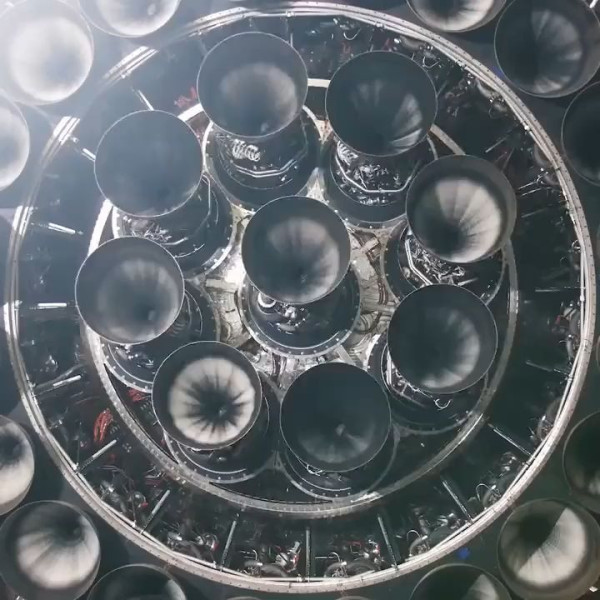
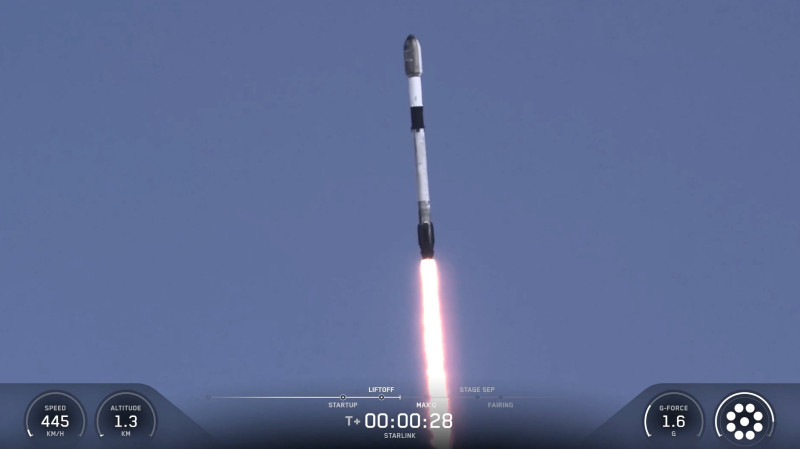
The Falcon 9 rocket is a two-stage rocket powered by liquid oxygen and rocket-grade kerosene (RP-1). The first stage, which includes nine Merlin engines, is responsible for the initial ascent and then separates from the second stage, which propels the payload into orbit. The reusable nature of the Falcon 9 has revolutionized the space industry, making space missions more cost-effective and frequent.
SpaceX's innovations don't stop at reusable rockets. The company has also developed advanced navigation and communication systems, enabling precise and reliable launches. For instance, the Cygnus spacecraft, which was launched by the Falcon 9, is equipped with cutting-edge technology that ensures safe and efficient cargo delivery to the ISS.
And then — get this — the launch was not just about delivering supplies; it was also a testbed for new technologies. The Cygnus spacecraft carried various scientific experiments and equipment that will contribute to ongoing research in microgravity.
Impact on Future Space Missions
The successful launch of the Falcon 9 rocket and the subsequent landing of the booster have significant implications for future space missions. These advancements pave the way for more ambitious projects, such as crewed missions to the Moon and Mars. SpaceX's reusable rockets are a game-changer, making long-term space exploration more feasible.
Moreover, the launch highlights the increasing collaboration between private companies and government space agencies. The partnership between SpaceX and NASA, as well as other international space agencies, is crucial for advancing space exploration and scientific research.
As the world watches, the space industry is evolving rapidly, and SpaceX is at the forefront of this transformation. Today's launch is just one of many milestones in SpaceX's journey to revolutionize space travel and make it accessible to everyone.
"The successful launch and landing of the Falcon 9 rocket demonstrate SpaceX's commitment to innovation and excellence," said a spokesperson for SpaceX. "We are proud to be at the forefront of space exploration and look forward to continuing our mission to make life multiplanetary.".
How does this story make you feel?
 Up next · TechThe Bambu X2D: The Next Big Thing in 3D Printing?