Tensions in the Gulf: USS Spruance's Dramatic Interception of the Iranian Ship Touska
Imagine the Gulf of Oman on a seemingly ordinary day. Suddenly, the USS Spruance, a powerful guided-missile destroyer, finds itself in a high-stakes game of cat and mouse with an Iranian-flagged cargo ship, the Touska. The standoff ended with a dramatic display of force, leaving the maritime world with a lot to digest.
The Interception: USS Spruance vs. Touska
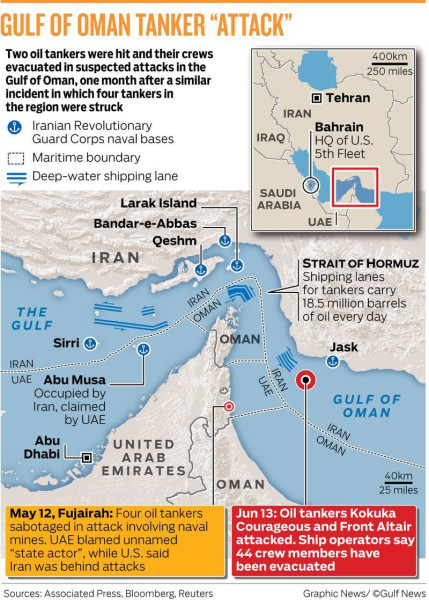
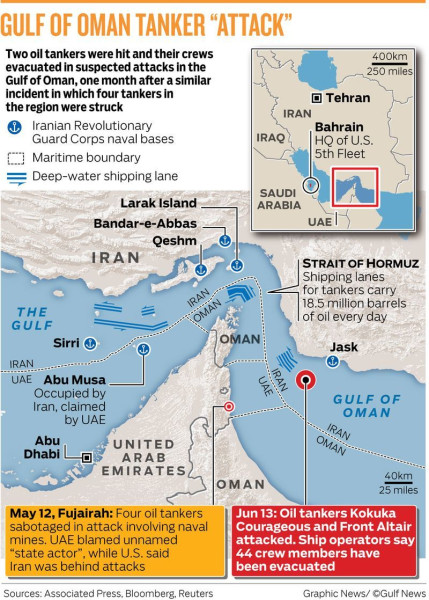
The USS Spruance, part of the Abraham Lincoln Carrier Strike Group, intercepted the Iranian cargo vessel Touska in the Arabian Sea. The Touska, an unassuming container ship, was attempting to navigate through a sensitive maritime zone near the Strait of Hormuz. The Strait of Hormuz, a critical choke point for global oil trade, has long been a flashpoint for geopolitical tensions.
According to President Donald Trump, the Touska attempted to breach a US naval blockade, a move that raised alarms and prompted immediate action. The USS Spruance, with its formidable arsenal, was tasked with intercepting the vessel. Despite repeated warnings and attempts to communicate, the Iranian crew refused to comply, leading to a tense standoff that escalated swiftly.
The USS Spruance, known for its advanced weaponry and speed, fired several rounds at the engine room of the Touska, effectively disabling the vessel. The dramatic move, which involved blowing a hole in the engine room, left the ship adrift and under the control of US Marines. The exact reasons behind the Touska's defiant actions remain shrouded in mystery, but the incident underscores the volatile nature of maritime conflicts in the region.
USS Spruance: The US Navy's Maritime Enforcer
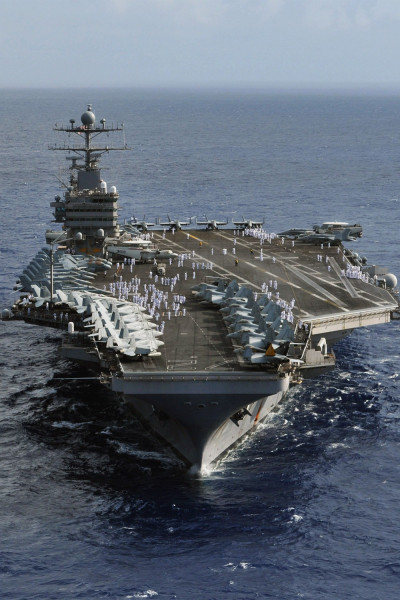
The USS Spruance, designated DDG-111, is a formidable addition to the US Navy's arsenal. Equipped with advanced missile systems and a crew trained for high-stakes operations, the Spruance is no stranger to conflict zones. The ship's recent actions in the Gulf of Oman highlight its role as a key enforcer of US maritime policy in the region.
The Spruance, based in San Diego, is part of a broader naval strategy aimed at maintaining control over critical maritime routes. Its interception of the Touska is just the latest in a series of actions that underscore the US Navy's commitment to securing the Strait of Hormuz, a vital artery for global oil supplies.
The Spruance's actions are not isolated incidents. The ship has a history of engaging in high-stakes operations, including past encounters with Houthi attacks. Its capabilities, including anti-aircraft and anti-submarine warfare systems, make it a versatile and powerful asset in the US Navy's fleet. The recent clash with the Touska adds another chapter to its legacy, showcasing its readiness and capability in the face of maritime threats.
“The USS Spruance’s actions demonstrate the US Navy’s unyielding commitment to maintaining maritime security. These operations, while challenging, are crucial for deterring threats in the region,” said Admiral John Nolan, a retired US Navy officer.
Geopolitical Implications and Future Tensions
The interception of the Touska raises several questions about the broader geopolitical landscape in the Middle East. The incident highlights the ongoing tensions between the US and Iran, with the Strait of Hormuz serving as a focal point for potential conflicts. The region, already volatile due to various geopolitical issues, now faces heightened scrutiny and possible escalations.
The recent action by the USS Spruance comes at a time when the Middle East is experiencing renewed instability. The seizure of the Touska coincides with a new round of peace talks in Pakistan, suggesting that maritime conflicts may be intertwined with broader diplomatic efforts in the region.
Moreover, the situation underscores the complexities of maritime law and enforcement. The US’s imposition of a naval blockade in the Strait of Hormuz, and Iran’s attempts to breach it, add layers of legal and strategic considerations. These incidents are not just about power projection but also about the delicate balance of international law and regional security.
As the maritime world watches the aftermath of the USS Spruance’s interception, it is evident that the Gulf of Oman and the Strait of Hormuz will remain hotspots for geopolitical tensions. The Touska, now in US custody, serves as a stark reminder of the high-stakes game being played in these waters, where military might and strategic maneuvering often reign supreme. Look, the US might have the iranian cargo ship stopped today, but what happens tomorrow, when another iranian ship approaches the blockade? Will the uss spruance (ddg 111) be ready, ready to make history again, or will the Strait of Hormuz witness a new chapter in its tumultuous story? Only time will tell, but one thing is certain — the strait of hormuz news will continue to captivate global attention, as the echoes of the Touska's dramatic interception linger in the waters of the Gulf of Oman.
How does this story make you feel?
 Up next · WorldJapan Earthquake Today: Tsunami Warnings Trigger Evacuations and Fear