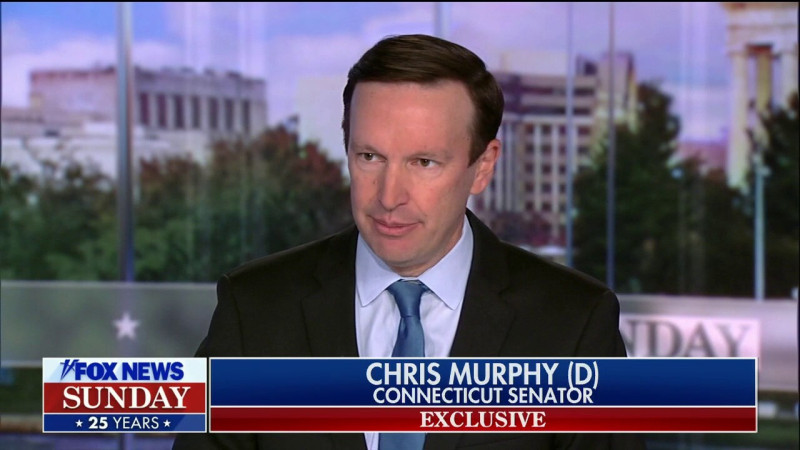
Senator Chris Murphy of Connecticut has found himself at the center of a political firestorm over a single word— "awesome" — posted on social media. This seemingly innocuous remark has ignited a controversy that raises questions about the senator’s foreign policy views and his handling of public perception. In today's polarized political climate, let's examine how a simple social media post can unleash a maelstrom of criticism and speculation.
The Controversial Post: A Single Word Ignites a Political Flame
On April 21, 2026, Senator Chris Murphy posted “awesome” on X (formerly Twitter) in response to a report about 26 Iranian ships bypassing the U.S. blockade in the Gulf of Oman. This one-word reaction has sparked intense backlash, particularly from conservative groups who accuse Murphy of celebrating a U.S. setback. The reaction underscores the delicate balance senators must maintain between their political stances and public perception.
The Backlash: Accusations of Treason and Political Posturing
Critics, particularly from conservative circles, have not held back in their condemnation. Mike Davis, a prominent figure in conservative politics, called for Murphy’s censure, asserting that the senator was "cheering for America’s enemy during war.” This sentiment has been widely echoed, with opponents arguing that Murphy’s post undermines U.S. foreign policy and military efforts in the region. However, let's not kid ourselves: Murphy’s critics may be overreacting. In the realm of social media, brevity often leads to misinterpretation, and a single word can be taken out of context to fit a narrative.
Murphy's Defense: Context and Intent Matter
In response to the backlash, Murphy spoke with Fox News, clarifying his intent. He contended that the post was not a celebration of Iran's actions but rather a commentary on the effectiveness of the U.S. blockade. According to Murphy, the post was meant to highlight the need for a more robust response to Iran’s actions, rather than an endorsement of their success. This explanation, however, has done little to quell the outrage, illustrating the challenge senators face in navigating social media and public opinion. Murphy's defense also brings to light a broader issue: the role of social media in shaping political narratives and the delicate balance between personal expression and political responsibility.
As the controversy unfolds, one thing is clear: Senator Chris Murphy faces an uphill battle in repairing his image and convincing the public of his true intentions. With the 2028 presidential election looming, this incident serves as a stark reminder of the scrutiny and criticism that come with high-stakes politics. The future of Murphy’s political career and public perception remain uncertain, but one thing is for sure: the debate over his controversial post is far from over.