Lyrid Meteor Shower 2026: Celestial Spectacle Lights Up the Night Sky
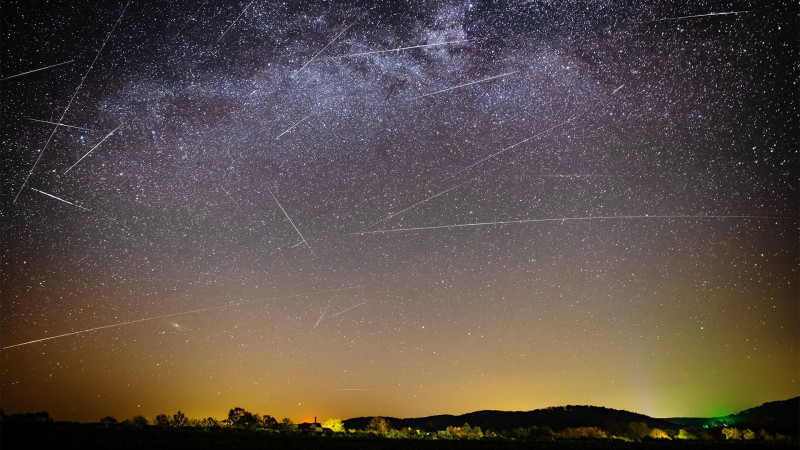
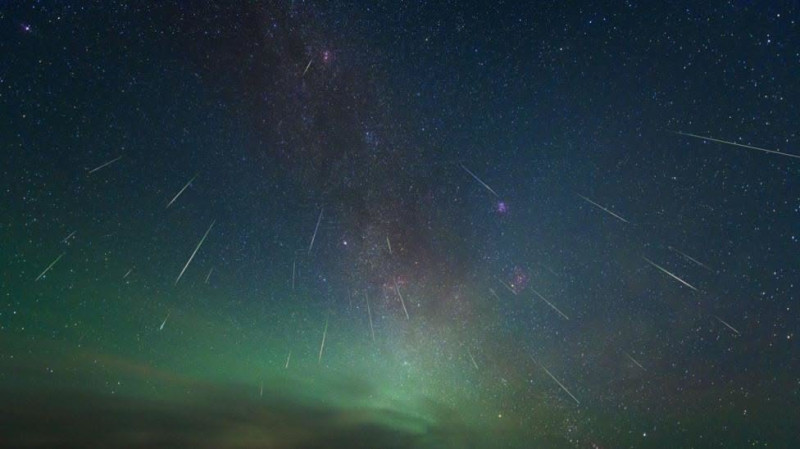
The night is crisp and clear, the air thick with anticipation as stargazers around the world prepare to witness one of nature's most awe-inspiring events — the Lyrid meteor shower 2026. Tonight, as the Earth passes through a stream of debris left behind by Comet C/1861 G1 (Thatcher), the sky will be ablaze with shooting stars, offering a breathtaking spectacle for those who look up.
What to Expect from the Lyrid Meteor Shower 2026?
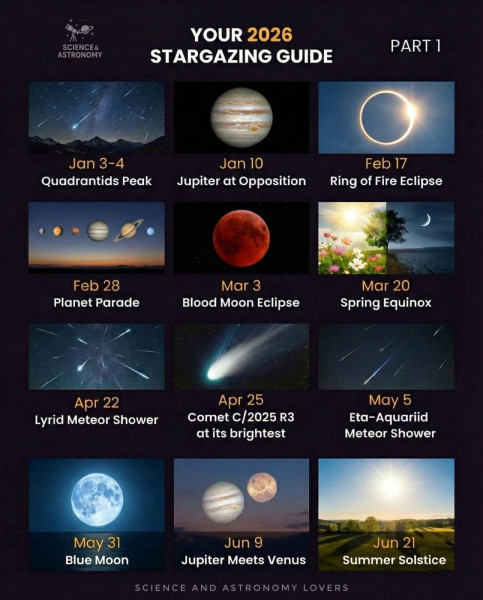
The Lyrid meteor shower 2026 is expected to peak in the early hours of April 22, providing a potential feast of up to 20 meteors per hour at its zenith. The shower, which is active between April 16 and 25, favors observers in the Northern Hemisphere, who are advised to seek out a dark-sky location away from city lights for the best viewing experience.
"The Lyrids are one of the oldest known meteor showers, with records dating back over 2,700 years. It's a celestial event that connects us to human history and the vastness of the universe," remarks Dr. Amelia Hart, an astrophysicist at the Royal Observatory.
When and Where to Watch Tonight's Celestial Show
For those hoping to catch a glimpse of the Lyrid meteor shower tonight, the best viewing conditions will be after midnight and before dawn on April 22. The radiant, the point from which the meteors appear to originate, is located in the constellation Lyra, near the bright star Vega. However, meteors can appear anywhere in the sky, so it's best to lie back and take in as much of the celestial canvas as possible.
“I’ve always loved the Lyrids. They’re a bit unpredictable, which makes them exciting. You never know if you’ll see a handful or a real storm,” says amateur astronomer Tom Jenkins, who has been tracking the Lyrids for over a decade.
The waxing crescent moon will set before the radiant reaches a favorable position in the sky, ensuring that the night is dark enough for optimal viewing conditions.
Tips for Viewing the Lyrid Meteor Shower 2026
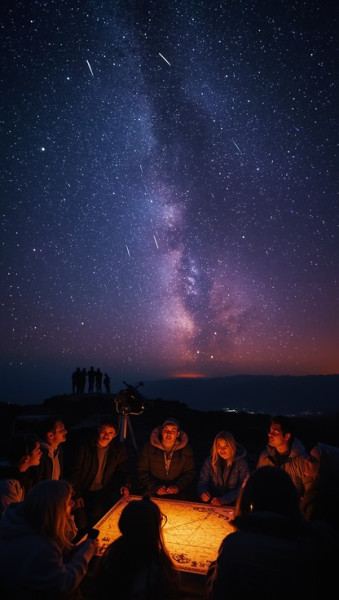
To get the most out of the meteor shower tonight, follow these tips for an unforgettable experience. First, find a spot with minimal light pollution; the darker the sky, the more meteors you'll see. Next, dress warmly and bring a comfortable chair or blanket, as you'll be looking up for extended periods. Allow your eyes to adjust to the darkness for at least 20 minutes before you begin observing, and avoid looking at bright screens or lights during this time.
Finally, be patient and enjoy the show. Meteors can appear in quick bursts, so even if you don't see much activity at first, stick it out — the wait can be worth it.
As the night deepens and the Lyrid meteor shower 2026 reaches its climax, the sky is a canvas of light and wonder, each shooting star a testament to the cosmic ballet unfolding above. The meteor shower is not just a visual spectacle, it is an experience that transcends time, connecting us with the ancient observers who first recorded this celestial event over two and a half millennia ago. The night is still young, and the stars continue to fall, each one a silent whisper of the universe's endless dance.
How does this story make you feel?
 Up next · ScienceCuriosity's Latest Discovery on Mars: Unraveling Red Planet's Mysteries