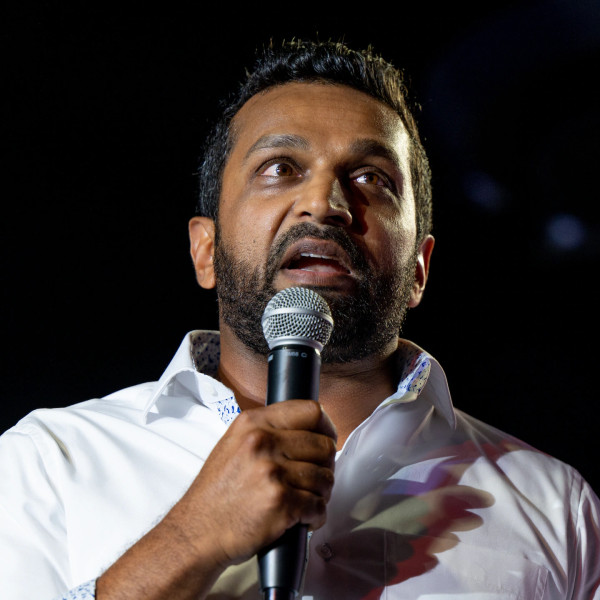
The story of Kash Patel's defamation lawsuit against The Atlantic magazine is not merely a clash of words and reputations. It is a tale of power, influence, and the delicate balance between freedom of speech and the responsibility of journalism. On April 21st, 2026, Kash Patel, the FBI Director, filed a 19-page lawsuit seeking $250 million in damages, alleging that an article published by The Atlantic contained false and malicious claims about his drinking habits and overall conduct. The article, penned by Sarah Fitzpatrick, painted a picture of a leader grappling with alcohol abuse and erratic behavior, claims that Patel vehemently denies.
The Atlantic's Article: A Malicious Hit Piece or Journalistic Integrity?
The crux of Patel's defamation lawsuit revolves around the article in question, which detailed his alleged frequent drinking and absences, portraying a narrative that Patel claims is "false and obviously fabricated." The article drew swift reactions from Democrats, who called on Patel to resign following its publication. However, Patel and his supporters argue that the piece is a deliberate attempt to smear his reputation and undermine his leadership. Patel's lawsuit specifically targets the magazine and reporter Sarah Fitzpatrick, accusing them of "sweeping, malicious, and defamatory hit piece".
Legal Implications and Public Reaction
The legal battle between Kash Patel and The Atlantic raises significant questions about the boundaries of journalism and the potential for lawsuits to stifle investigative reporting. Patel's lawsuit could set a precedent for how journalists and media outlets are held accountable for their reporting, particularly when it comes to high-profile figures. The Atlantic, however, stands by its reporting, with a spokesperson calling the lawsuit "meritless". The legal outcomes of this case will not only impact Patel and The Atlantic but could also reshape how journalists approach sensitive stories.
An expert on legal matters, Paul Farhi, weighs in on the potential outcomes of this case, noting that due to the current climate, such lawsuits might not inspire much fear or loathing among Washington journalists. "Patel's lawsuit doesn't seem to have inspired much fear or loathing among Washington journalists, writes Paul Farhi, mainly because Trump has made suing news organizations—and losing—so commonplace.". This observation underscores the critical role of public perception and legal precedents in shaping the narrative around such high-stakes lawsuits.
Historical Parallels and Future Ramifications
This lawsuit between Kash Patel and The Atlantic is not the first time a high-ranking official has taken legal action against a media outlet. Historically, such cases have often been divisive, pitting the freedom of the press against the right to protect one's reputation. One notable example is the lawsuit brought by General Alexander Haig against The Washington Post in 1981, where Haig alleged that the paper had defamed him in its coverage of his role in the Iran-Contra affair. The parallels between these cases highlight the enduring tension between journalism and the powerful figures it often scrutinizes. As Patel's case unfolds, it will be a test of both the legal system and the media's commitment to transparency and accountability.
The question that lingers is whether this lawsuit will be a turning point in how media outlets approach sensitive stories, or will it merely be another chapter in the ongoing battle between power and the press. As Patel's lawsuit against The Atlantic moves forward, it will undoubtedly have lasting implications for both the journalistic community and the broader landscape of public discourse. Will Patel's legal action be a landmark case that reshapes the boundaries of journalism, or will it fade into obscurity as just another skirmish in the never-ending war between truth and power.
As we reflect on this unfolding drama, we are reminded of the words of the late journalist and author, A.J. Liebling, who once noted, "Freedom of the press is guaranteed only to those who own one." In the age of digital media and social commentary, the stakes are higher than ever, and the battle lines are drawn clearer than they ever were.