Tension Surges in UAE as Fujairah's Petroleum Facilities Come Under Fire
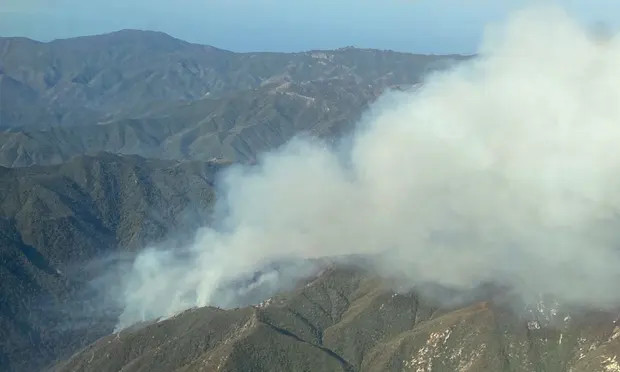
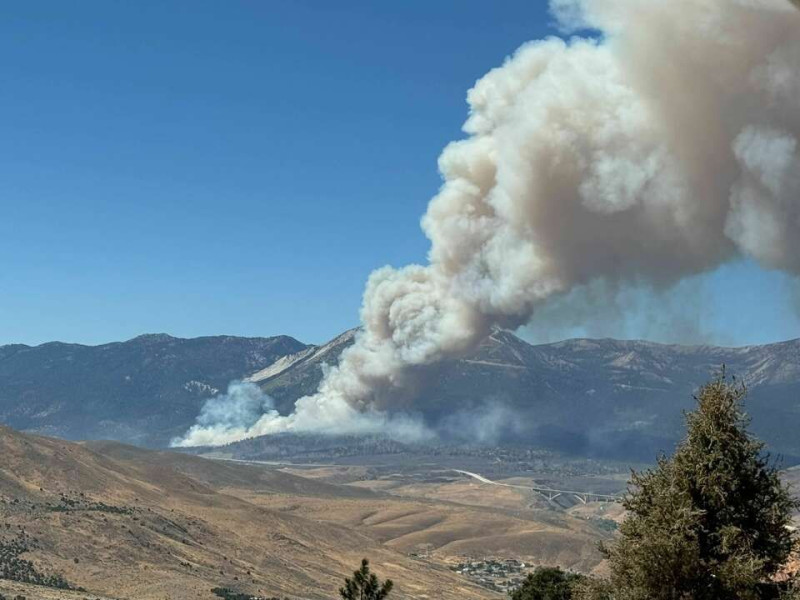
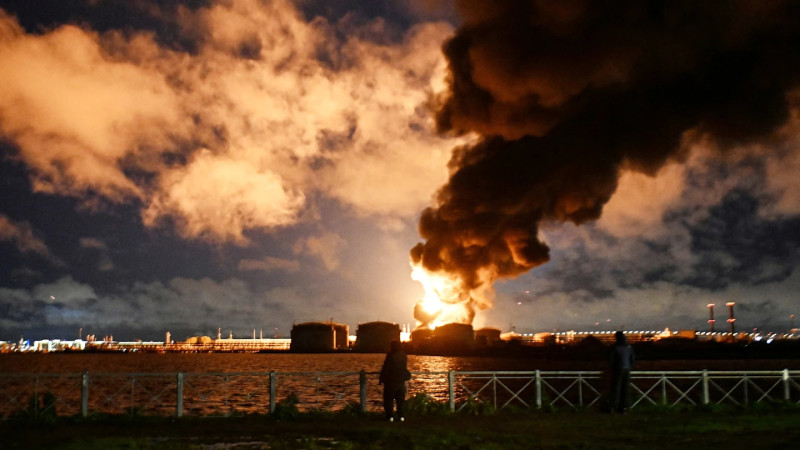
The United Arab Emirates (UAE) finds itself at a critical juncture, with the skirmishes escalating at the Fujairah Oil Industry Zone. Following a drone attack originating from Iran, a fire broke out in the Fujairah Oil Terminals FZC, marking a significant escalation in the conflict between the US and Iran. This attack underscores the strategic importance of the Fujairah Oil Industry Zone and its role in the global oil market. Fuelled by this escalating crisis, oil prices have surged, reflecting the heightened tensions and uncertainty in the region. The latest attack on Fujairah is part of a broader pattern of aerial strikes that have targeted critical energy infrastructure in the UAE.
The Strategic Significance of Fujairah Oil Terminals
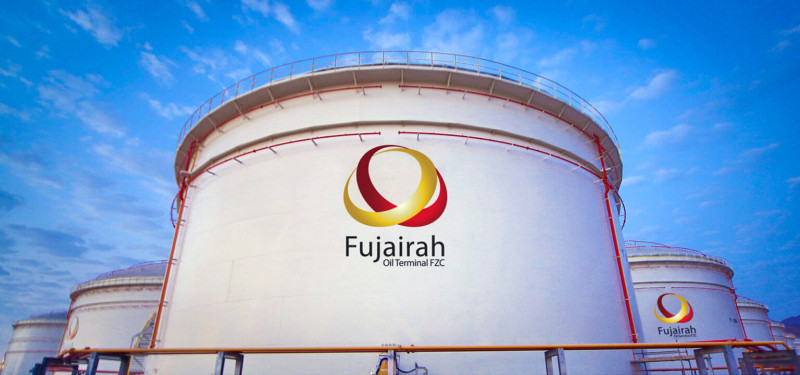
The Fujairah Oil Terminals FZC (FOT) is a world-class facility with a capacity of 1.177 million cubic meters, located on the Indian Ocean outside the Straits of Hormuz. This strategic positioning makes it a critical hub for the global oil market, handling more than 1.7 million barrels per day of crude oil and refined fuels. The terminal's location allows it to bypass the often-volatile Strait of Hormuz, providing a secure route for oil exports. This strategic asset is crucial for the UAE's energy sector, as it ensures the safe and efficient transportation of oil to global markets, despite ongoing geopolitical tensions. The Habshan–Fujairah oil pipeline, also known as the Abu Dhabi Crude Oil Pipeline (ADCOP), further enhances Fujairah's importance by connecting it to the Habshan oil fields, ensuring a steady supply of crude oil to the terminal.
Impact on the Oil Market and Global Energy Dynamics
Iran's drone attack on the Fujairah Oil Industry Zone has sent shockwaves through the global oil market, causing oil prices to surge. This latest escalation in the US-Iran conflict has heightened tensions in the Middle East, a region already fraught with geopolitical instability. For the UAE, the attack underscores the vulnerability of its critical energy infrastructure and the need for enhanced security measures. The UAE has made significant investments in the Fujairah Oil Terminals, recognizing its strategic value in the global energy landscape. The Habshan-Fujairah oil pipeline further solidifies Fujairah's role as a key player in the oil market, providing a secure route for oil exports that bypasses the Straits of Hormuz.
The attack on the Fujairah Oil Terminals has also raised questions about the UAE's involvement in the broader geopolitical landscape. Why does the UAE continue to be a target for such attacks, and what are the implications for its strategic alliances and energy policies? The UAE's decision to exit OPEC, coupled with the Habshan-Fujairah pipeline, signals a strategic pivot towards Western market stability, reflecting a broader shift in global energy geopolitics.
The Geopolitical Implications of the Fujairah Attack
The UAE's departure from OPEC is a significant shift, with the Habshan-Fujairah pipeline emerging as its strategic lifeline. This move guarantees more oil to the global market, particularly in the wake of the Strait of Hormuz closure and the ongoing tensions. Fujairah's essential role in the global energy market cannot be overstated. What will be the ripple effects of this escalation on the region's stability and the global energy market? The UAE's steadfast commitment to securing its energy infrastructure and maintaining its position as a key player in the global oil market is under scrutiny. It remains to be seen how the UAE will navigate these challenges and what the long-term implications will be for the region's geopolitical landscape, particularly in the context of the US-Iran conflict.
“Fujairah's strategic location and robust infrastructure make it a cornerstone of the global oil market, but it also makes it a prime target in the ongoing geopolitical tensions. The UAE must continue to prioritize security and resilience in its energy sector to mitigate future risks.” — Energy Analyst, Reuters
This attack on the Fujairah Oil Terminals underscores the ongoing volatility in the Middle East and the critical role of the UAE in the global oil market. As tensions escalate, the UAE must navigate the complex geopolitical landscape with strategic foresight and robust security measures to safeguard its energy infrastructure and maintain its position as a key player in the global energy market, given the latest attack on Fujairah, the strategic significance of the port in the UAE, and the broader implications of the Habshan-Fujairah oil pipeline.
How does this story make you feel?
 Up next · WorldUnited Airlines Flight Clips Truck and Pole in Dramatic Newark Landing