Deadly Hantavirus Emerges on Cruise Ship: A Growing Threat
The Hondius, a luxury cruise ship, is currently under the shadow of a hantavirus outbreak, and the situation is fraught with tension and concern. Passengers and crew alike are on edge, as three individuals have already succumbed to the deadly virus, and more continue to fall ill. The World Health Organization (WHO) has issued a global alert, emphasizing the need for vigilance and proactive measures to contain the spread.
Unraveling the Mystery: How Hantavirus Spreads on a Cruise Ship
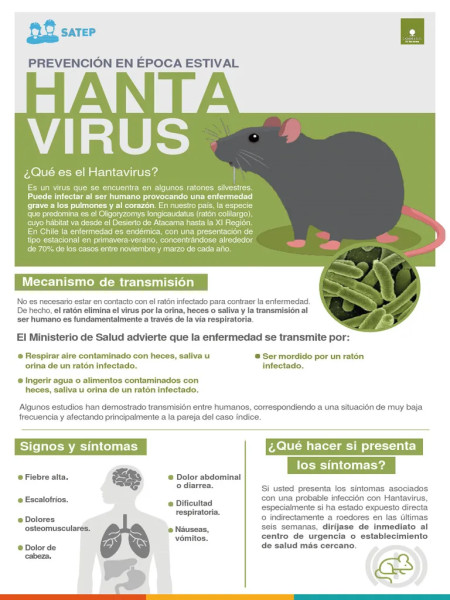
Hantavirus is a rare but severe respiratory illness that typically spreads through contact with infected rodents. The virus is present in the urine, feces, and saliva of mice and rats, which can contaminate surfaces and become airborne when disturbed. On a cruise ship, the enclosed environment and high passenger density make it particularly susceptible to the rapid spread of infectious diseases. The Hondius outbreak has highlighted the virus's ability to infect humans through inhalation of contaminated particles.
Health experts have discovered that the virus entered the ship through rodents that likely stowed away in cargo or supplies. The enclosed, air-conditioned areas of the ship provided an ideal breeding ground for the virus to thrive and spread unchecked. The close proximity of passengers and crew members in dining halls, cabins, and common areas facilitated its transmission. The virus's ability to survive in various environments, coupled with the high number of people sharing the same space, has led to a rapid escalation of cases on the Hondius.
Understanding the Symptoms and Impact of Hantavirus
Identifying hantavirus can be challenging, as its early symptoms mimic those of the flu. Initial signs include fever, chills, fatigue, and muscle aches, which can be mistaken for common ailments. However, as the disease progresses, more severe symptoms such as abdominal pain, nausea, vomiting, and diarrhea may emerge—signs that distinguish it from typical flu-like conditions. This is what makes understanding the hantavirus infection especially critical: the window between initial symptoms and full-blown illness is narrow, and immediate medical intervention can be life-saving.
Once the disease progresses to hantavirus pulmonary syndrome (HPS), patients experience severe shortness of breath, coughing, and rapid fluid build-up in the lungs, which can be fatal. The mortality rate for HPS is around 35%, underscoring the urgency of early detection and treatment. The symptoms of HPS typically appear 1 to 8 weeks after exposure, making it difficult to trace the source of infection in a fast-paced environment like a cruise ship.
Preventing the Spread: Precautionary Measures Took On Board
In response to the outbreak, the crew of the Hondius has implemented strict disinfection protocols and isolation measures for infected passengers. Disinfection efforts focus on areas where rodents might have been present, including cargo holds, kitchens, and common spaces. Isolation wards have been set up to treat infected individuals and prevent further transmission.
“This is an unprecedented situation for us. We have never faced such a challenge on a cruise ship before. The safety of our passengers and crew is our top priority, and we are taking every precaution to ensure that this outbreak does not spread further,” said Captain Maria Silva, the ship’s commander.
Passengers and crew members are being educated on the importance of maintaining hygiene, including frequent hand washing and avoiding contact with potentially contaminated surfaces. The ship’s medical team is working around the clock to monitor symptoms and provide immediate care to those who show signs of infection. The WHO has dispatched experts to assist in managing the outbreak, emphasizing the need for global cooperation in tackling infectious diseases.
As the Hondius navigates these treacherous waters, the hantavirus outbreak serves as a stark reminder of the ever-present threat of infectious diseases. The cruise industry, known for its luxurious experiences, now faces the daunting task of balancing enjoyment with safety. With the world's eyes on the Hondius and its passengers, the question remains: how will the industry adapt to prevent future outbreaks and ensure the safety of all who set sail?
How does this story make you feel?
 Up next · HealthAt Sea and Besieged by Hantavirus: The Silent Killer on the MV Hondius