The Misunderstood Holiday: Mexican Independence Day vs. Cinco de Mayo
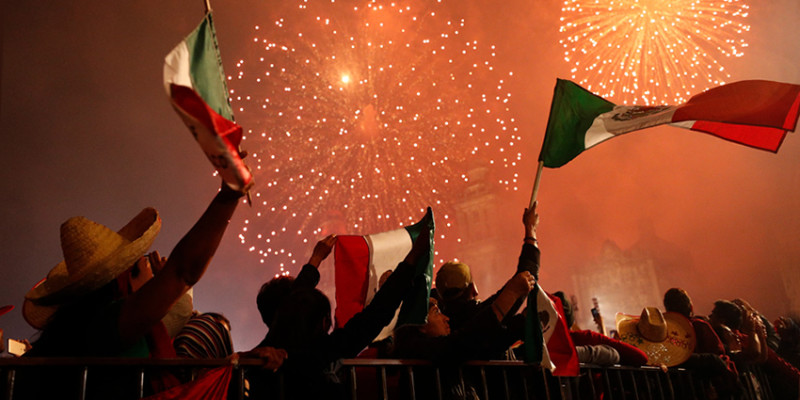
Every year on September 16, Mexico commemorates a pivotal moment in its history, marking Mexican Independence Day. Contrary to popular belief, Cinco de Mayo is not the same as Mexican Independence Day.
The Historical Context of Mexican Independence Day
Mexican Independence Day celebrates the start of the Mexican War of Independence from Spain. It is a day etched in the history books, September 16, 1810, when Father Miguel Hidalgo y Costilla rang the bell of his church in the small town of Dolores, calling on the people to rise up against Spanish rule. The event, known as the Grito de Dolores, was the spark that ignited the Mexican War of Independence, which lasted over a decade.
This historic event is celebrated annually with elaborate festivities, including fireworks, parades, and the traditional Grito de Dolores, where the President of Mexico reenacts Father Hidalgo's call to arms. The day is marked with great fervor in Mexico, symbolizing the nation's pride and independence.
Cinco de Mayo: The Battle of Puebla
Despite the common misconception, Cinco de Mayo is not Mexican Independence Day. It is a holiday celebrated on May 5, commemorating the Battle of Puebla in 1862. This battle saw a small Mexican force defeat the larger, better-equipped French army. The victory was a significant morale boost for the Mexican people, who were battling foreign intervention and internal strife.
The holiday is more widely celebrated in the United States than in Mexico, where it is primarily observed in the state of Puebla and in Mexican-American communities. In the U.S., it has evolved into a celebration of Mexican-American culture, often featuring vibrant parades, traditional music, and food.
The Distinction Between Mexican Independence Day and Cinco de Mayo
The confusion between Mexican Independence Day and Cinco de Mayo persists, partly due to the lack of widespread awareness of the historical events they commemorate. While Mexican Independence Day is celebrated with solemnity and pride across Mexico, Cinco de Mayo is celebrated as a testament to Mexican resilience and victory, particularly in the face of foreign intervention.
Understanding the distinction between these two holidays adds depth to the appreciation of Mexican history and culture. It highlights the resilience and determination of the Mexican people in their fight for independence and their continued struggle against foreign intervention.
On September 16, 2026, Mexico will once again celebrate its independence from Spain, a testament to the enduring spirit of a nation forged in the fires of revolution. This day, marked by the Grito de Dolores, will be a poignant reminder of the sacrifices made and the victories earned in the pursuit of freedom.
How does this story make you feel?
 Up next · EntertainmentOlivia Rodrigo's Amex Presale: Your Essential Guide to Securing Tickets