Yellowstone Bear Attack: Hikers Injured in Mystic Falls Incident
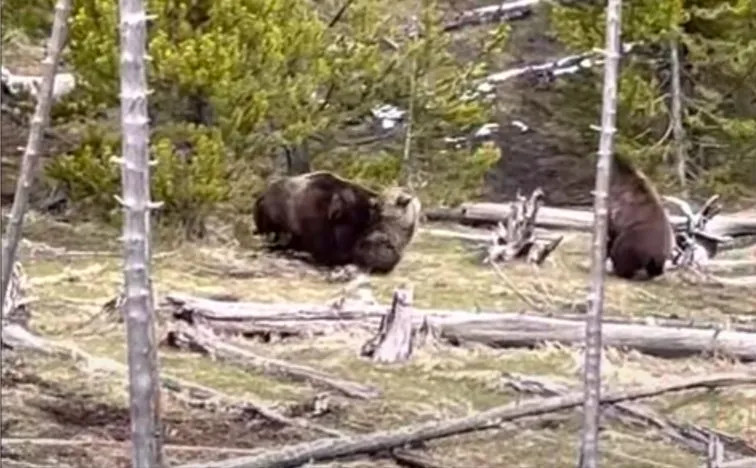
In the heart of Yellowstone National Park, a bear attack left two hikers injured near the iconic Old Faithful geyser, marking a stark reminder of the park's unpredictable wildlife. The incident, which occurred on a popular hiking trail, has sparked questions about safety protocols and the realities of sharing wilderness spaces with powerful, wild animals.
The Mystic Falls Incident: A Timeline of Events
The events unfolded rapidly on the Mystic Falls Trail, close to the bustling Old Faithful geyser. On the afternoon of May 4, 2026, two hikers, exploring one of the park's most famous attractions, encountered "one or more bears ." The ensuing confrontation resulted in injuries to both hikers, prompting immediate evacuation efforts by park officials. Helicopters were deployed to transport the injured hikers to safety, underscoring the severity of the situation.
Safety Protocols and Park Responses
Yellowstone National Park, which receives over 4 million visitors annually, is no stranger to wildlife encounters. However, bear attacks remain relatively rare, making each incident a significant event. In response to the incident, officials temporarily closed the affected trail and nearby campsites to ensure visitor safety and allow for a thorough investigation. While the park has stringent safety protocols in place, the bear attack highlights the unpredictability of wildlife and the constant vigilance required from both visitors and park officials. As the investigation continues, the park service remains committed to understanding the circumstances surrounding the attack and enhancing safety measures to prevent future incidents.
The incident has raised questions about the effectiveness of current safety measures. Some visitors and experts argue that more proactive steps, such as increased ranger patrols, bear awareness programs, and stricter regulations on hiking trails, could mitigate the risk of such attacks. However, others contend that these measures may not significantly alter the inherent dangers of wilderness exploration, suggesting that bear encounters are an unavoidable part of venturing into natural habitats.
In the wake of the bear attack, the park has reopened the affected areas, but the incident serves as a poignant reminder of the delicate balance between human curiosity and the untamed beauty of Yellowstone.
Let’s not kid ourselves: Yellowstone is a wilderness, and the risk of bear encounters is an inherent part of that experience. Here’s what nobody’s asking: should the park do more to educate visitors about the potential dangers, or is the thrill of exploration worth the risk? As the park continues to navigate these complex issues, the incident on the Mystic Falls Trail will undoubtedly shape future policies and visitor expectations.
“Yellowstone is a wild place, and we must respect the animals that call it home. This incident underscores the importance of preparedness and vigilance for all visitors.” — Yellowstone National Park Official
How does this story make you feel?
 Up next · WorldEmergency Declared, Then Silence: The Enigma of the KC-135 Stratotanker Over Qatar