Mississippi Tornadoes: A Devastating Aftermath and a Call for Action
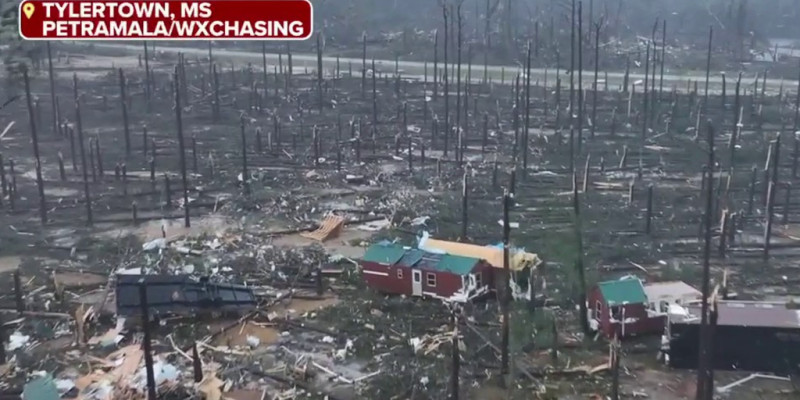
The Mississippi tornadoes of 2026 have left the state reeling from severe damage and a catastrophic loss of life. As the cleanup efforts continue, the data is damning: multiple tornadoes have torn through central and western Mississippi, with Franklin County bearing the brunt of the destruction. Tornadoes are nothing new to Mississippi, but the ferocity and scale of this event have left even seasoned meteorologists stunned.
Unprecedented Destruction: The Impact of the Mississippi Tornadoes
The Mississippi tornadoes have left behind a trail of devastation that is almost impossible to comprehend. Homes have been reduced to rubble, roofs were torn off buildings, and residents are left trapped under the debris. The sheer power of the tornadoes that struck the area near Garden City in Franklin County is a stark reminder of nature's fury. With multiple tornadoes reported, the damage is widespread, and the recovery will be a long and arduous process.
Let's not kid ourselves: this is not just about the physical destruction. The emotional toll on the residents of Mississippi is immense. Families have lost their homes, and some have lost their lives. The psychological impact of such a traumatic event cannot be understated. The community will need support not just to rebuild their homes but also to heal from the emotional scars left by these tornadoes. As the state grapples with the aftermath, it is crucial to address the immediate needs of the affected residents while planning for the long-term recovery.
For residents in areas like Monticello, New Hebron, Brookhaven, and Silver Creek, the threat of more Mississippi tornadoes looms large. As of Wednesday, a dangerous tornado emergency was declared for these regions, and residents were urged to take cover immediately as the storm carried catastrophic damage potential and life-threatening conditions. The National Weather Service has issued warnings and updates, providing live alerts and historical data to help residents stay informed and safe.
The Science Behind the Storm: Understanding Mississippi Tornadoes
Mississippi is no stranger to tornadoes, located in the infamous Dixie Alley, an area stretching from eastern Texas to southwestern North Carolina. Tornadoes in Mississippi typically occur most frequently between 2 p.m. and 8 p.m., with peak activity during the spring months of March through May. The science behind these storms is complex, involving a combination of atmospheric conditions that create the perfect storm for tornadoes. Warm, moist air from the Gulf of Mexico collides with cooler, drier air from the north, creating the instability needed for severe weather to form.
Yet, here's what nobody's asking: Why are we still caught off guard by these storms? Despite advancements in weather forecasting and technology, the devastation from tornadoes in Mississippi continues to rise. One counter-argument might suggest that the increasing frequency and intensity of tornadoes are due to climate change, but the data is inconclusive. What is clear, however, is that the Mississippi tornado warning system needs to be more robust and effective. Early warnings and timely alerts could save countless lives and mitigate the damage caused by these storms.
Looking Ahead: Preparedness and Prevention
As Mississippi tornadoes continue to pose a significant threat, it is crucial for residents to stay vigilant and prepared. While the immediate focus is on recovery and rebuilding, long-term measures must be implemented to minimize the impact of future storms. Investing in tornado-resistant infrastructure, improving early warning systems, and enhancing emergency response capabilities are essential steps in protecting the community.
In the aftermath of the Mississippi tornadoes, it is clear that the state needs a comprehensive strategy to deal with these natural disasters. The devastation in Franklin County is a grim reminder of the power of nature and the need for preparedness. As the recovery efforts continue, let us hope that the lessons learned from this tragedy will pave the way for a safer and more resilient Mississippi.
It's time to face the reality: Mississippi tornadoes will continue to be a threat, but with better preparedness, we can reduce the devastation. Let's not wait for the next storm to hit before taking action. The effort to build a safer Mississippi starts now.
How does this story make you feel?
 Up next · WorldDenver's Power Grid Reels Under Unseasonal Snowstorm