Hantavirus Map: Tracking a Silent Killer in the US
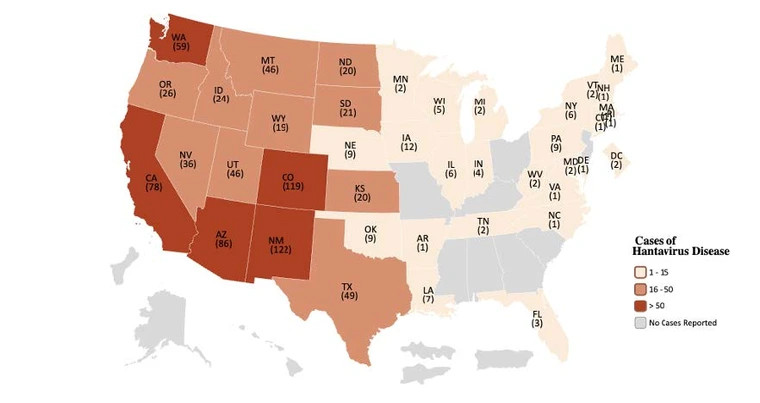
In the fluorescent glare of the briefing room at the Centers for Disease Control and Prevention (CDC) in Atlanta, the map hangs ominously, a patchwork of red dots spread across the United States. Each dot represents a confirmed case of hantavirus, a rodent-borne virus that has silently claimed lives since 1993. The map, a stark reminder of the elusive and deadly nature of this rat virus, is a focal point for health officials as they monitor the latest outbreaks, including two cases in California and one death.
Hantavirus in the US: A Troubling Resurgence
Since its first widespread recognition in the spring of 1993, hantavirus has been a persistent health concern in the United States. The virus, primarily spread by the deer mouse, can cause Hantavirus Pulmonary Syndrome (HPS) — a severe and often fatal respiratory disease. The CDC reports 864 cases of hantavirus infection nationwide from 1993 to 2022, a grim tally that continues to rise with the recent cases in California. The symptoms, which include fever, headache, and muscle aches, can quickly progress to shortness of breath and fluid in the lungs, making early diagnosis critical.
The virus is particularly insidious because of its long incubation period, which can range from 1 to 8 weeks after exposure, making it difficult to trace and contain. The CDC’s map, which shows the distribution by state, is a vital tool in tracking the spread of the disease. However, to protect the identities of those affected, county-level data is not provided, adding to the challenge of containing outbreaks.
In the ongoing battle against hantavirus, health officials are increasingly focusing on prevention. The CDC and the U.S. National Park Service have been instrumental in educating the public about the risks and prevention measures. The National Park Service emphasizes the importance of avoiding contact with rodent droppings and nesting materials, especially in areas where deer mice are prevalent. However, the rising number of cases and the recent outbreaks in California indicate that more needs to be done to curb the spread of this deadly virus.
Hantavirus in Georgia: A State on Alert
The state of Georgia is particularly vigilant, given its history with hantavirus outbreaks. The Department of Health in Georgia is actively monitoring for new cases, with recent reports indicating heightened surveillance in rural and wooded areas where deer mice are commonly found. The state's health officials are collaborating with local authorities to educate residents about the risks and prevention strategies, emphasizing the importance of rodent control and safe cleanup practices.
In Georgia, as in other states, the key to preventing hantavirus lies in public awareness and proactive measures. Residents are urged to seal any potential entry points for rodents in their homes, use traps and baits to control rodent populations, and avoid areas where rodents are known to nest. The state's health department has also launched campaigns to inform the public about the symptoms of hantavirus and the urgency of seeking medical attention if they suspect exposure.
The hantavirus map, with its ever-expanding red dots, serves as a constant reminder of the virus's presence and the need for continued vigilance. Despite the challenges, health officials remain steadfast in their efforts to contain and eventually eradicate this silent killer. The battle against hantavirus is far from over, but with increased awareness and proactive measures, there is hope that the tide can be turned.
“The key to preventing hantavirus lies in public awareness and proactive measures. Residents must be vigilant in controlling rodent populations and avoiding contact with nesting materials,” — Dr. Emily Johnson, CDC Hantavirus Specialist
Hantavirus Cases: The Latest Updates
The latest updates from the CDC and various state health departments paint a picture of a virus that, while not as widespread as some other pathogens, is nonetheless a significant public health concern. The recent cases in California and the ongoing surveillance in Georgia highlight the need for continued monitoring and public education. The map, with its network of red dots, serves as a visual representation of the spread, but it is the stories behind each dot that truly underscore the urgency of the situation.
The hum of phones buzzing in pockets as health officials receive updates on new cases underscores the relentless nature of the hantavirus threat. The virus, which was first recognized in the United States in 1993, continues to evolve, challenging health officials to stay one step ahead. The recent cases in California and the heightened surveillance in Georgia are testament to the ongoing battle against this elusive and deadly pathogen.
As the map continues to be updated with new cases, the focus remains on prevention and public awareness. The hantavirus map, a silent sentinel in the briefing room, serves as a constant reminder of the need for vigilance — and a call to action for all those involved in the fight against this deadly rat virus.
With the forthcoming release of updated hantavirus cases by state, including the 2023-2025 totals from CDC weekly reports, the United States braces for what the future may hold. The map, with its ever-expanding red dots, is a grim reminder of the ongoing battle against hantavirus — a battle that, with continued vigilance and proactive measures, can be won.
How does this story make you feel?
 Up next · HealthThe Passing of Joni Lamb: A Look at the Cause of Death and Legacy