The sky is yellow. The air is thick, heavy, and acrid. It feels like you’re breathing through a cloth soaked in gasoline. Wildfires in Canada have spread like a plague, affecting not just the immediate vicinity but also across borders, leaving millions gasping for clean breath. The 2026 wildfire season began with a whimper, but it's biting hard now. As of July 15, 2026, the smoke from Canadian wildfires is choking the air quality in the Great Lakes, Northeast, and Midwest in the United States. Thick clouds of smoke are casting a yellowish haze across the skies and affecting millions.
Wildfire Smoke: Why is the Sky Yellow?
What is happening to the sky? Imagine waking up and seeing the world through a yellow filter. Smoke from thousands of wildfires in Canada is now blanketing large parts of the country, trapping everything in a suffocating embrace. This isn’t just smoke; it’s a toxic mix of ash, soot, and harmful gases. So much for the Great Outdoors.
The colour of the sky, a sickly yellow, is due to the scattering of light by the tiny particles in the smoke. The particles scatter shorter blue and green wavelengths more effectively, leaving the longer red and yellow wavelengths to dominate, making the sky appear yellow. Think again the next time you see a clear blue sky.
Air Quality: Breathing is a Luxury
The Air Quality Index (AQI) readings across North America is anything but heartening. The AQI is a measure of how clean or polluted the air is and how it might affect your health. The Government of Canada updates the Air Quality Index regularly, and the numbers are shocking. As of now, major cities like Quebec are reporting moderate air quality levels, meaning it’s unhealthy for sensitive groups, especially those with respiratory ailments.
When you go outside, you might feel a burning sensation in your eyes and throat. That's the smoke settling in. Can you imagine the discomfort? The smoke crosses borders, ensuring that neither country is spared. The air quality maps show a grim picture, with large swathes of the continent under unhealthy air quality warnings.
And what about the health implications of this? Wildfire smoke is not just an inconvenience; it's a silent killer. Breathing in this toxic mix can cause irritation of the eyes, nose, and throat, coughing, wheezing, shortness of breath, fatigue, and headaches. Long-term exposure can lead to more serious health issues, including heart and lung diseases, and even death.
For those with respiratory conditions like asthma or COPD, the effects can be catastrophic.
Gone. The days of fresh air. The kids playing outside without a filter. The adults taking in the crisp morning air.
The Catastrophic Toll of the 2026 Wildfires
As of mid-July 2026, Canada has seen 1,747 wildfires this year, with 95 active wildfires and 44 currently out of control. The total area burned so far this year is 166,400 hectares. The fires have claimed lives, with a firefighter dying while battling a wildfire in Annapolis County, Nova Scotia, and a pilot and three firefighters killed in a plane crash during firefighting operations near Fort Simpson, Northwest. The toll is catastrophic and the season is only halfway through.
Think about the firefighters. The heroes battling these infernos. They are our unsung heroes, risking their lives to save others. They deserve more than our gratitude. They deserve our respect and support.
Why is this happening? Climate change, of course. The changing weather patterns are creating conditions that are ideal for wildfires to spread. The heat, the drought, and the winds are all conspiring to create a perfect storm of destruction.
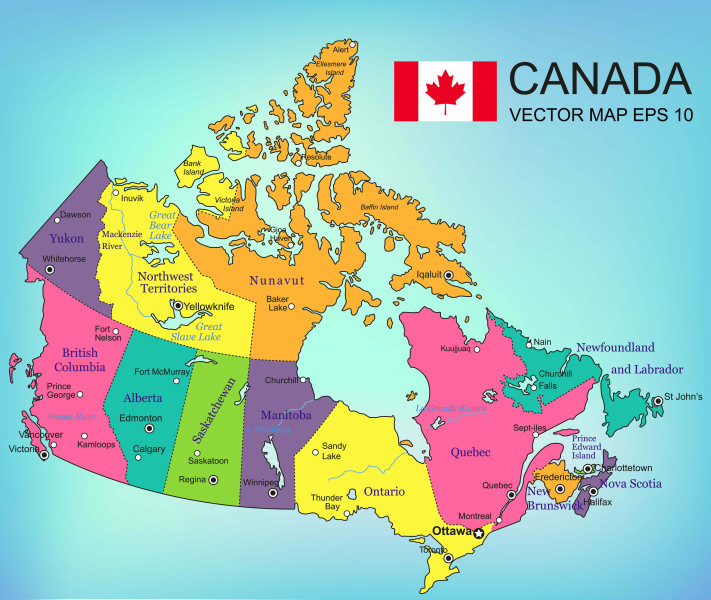
Where are these fires? In Alberta, British Columbia, Saskatchewan, and Ontario, there are hundreds of active fires.
But the smoke doesn’t stay confined to Canada. It travels, hijacking the weather systems, crossing borders, and choking the air in the United States. The smoke is affecting the Great Lakes, Northeast, and Midwest regions, leaving millions in a choking haze.
"The sheer scale of these wildfires and the resulting smoke is unprecedented. We're seeing record-breaking temperatures, drought conditions, and extreme winds that are fanning these fires and spreading smoke across vast distances." - Environment and Climate Change Canada spokesperson
Nobody saw this coming. The 2026 wildfire season was expected to be less active than the record-breaking seasons of 2023 and 2025. But nature has a way of defying expectations, of throwing us curveballs.
The Canadian Wildland Fire Information System provides real-time updates on the situation, but the words and figures are barely enough to convey the magnitude of the devastation.
What does this mean for the future? What does this mean for you? What does this mean for us? The wildfires are not just a Canadian problem. They are a global problem. They are a warning of what’s to come if we don’t act now.
This is an environmental crisis. This is a public health crisis. But it is also a testament to our resilience. To our ability to adapt and overcome. To our ability to rise above the ashes.
But will we? Will we be able to turn this catastrophe into an opportunity? Or will we continue to choke in the smoke, unable to see the path forward?