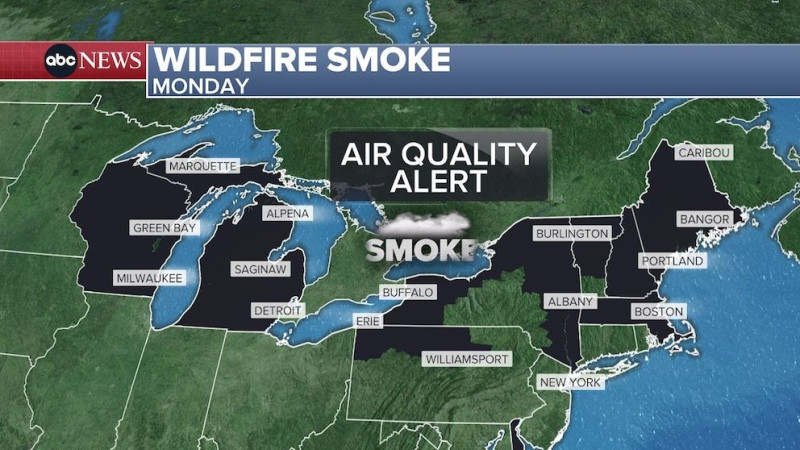
This summer, air quality has emerged as a hot topic — literally. With Canada wildfires churning out smoke, and blazes in Europe causing similar chaos, the Fourth of July weekend brought hazardous conditions to major metropolitan areas. It's not just about the air quality today- it's about what's in store this weekend.
Code Maroon Alert: What It Means for Richmond Event Cancellations
The Code Maroon alert is the highest level of air quality warning, indicating extremely hazardous conditions. In Richmond, this meant the cancellation of all outdoor events, including sporting events, concerts, and community gatherings. Organizers had to make the tough call to prioritize public health, with some performances and sporting events postponed to later dates or moved to indoor venues. Smoke from Canadian wildfires was the primary culprit, creating a thick haze that made it difficult to breathe.
The Air Quality Forecast: D.C. and Beyond
The air quality in D.C. is also a concern. While air quality forecasts for the nation’s capital initially projected a Code Purple alert, the situation has since been downgraded to Code Red. This means that while the air is still unhealthy, it's not as severe as initially feared. The difference is subtle but important: Code Purple indicates that everyone should avoid outdoor activities, while Code Red means that vulnerable populations should stay indoors. The distinction matters, as plans for future events and activities are adjusted accordingly. In Pennsylvania, the situation is similar, with alerts issued for parts of the state due to smoke from the wildfires.
From Pennsylvania to Wisconsin and Beyond
While air quality alerts have been issued across the country, the impact varies by region. In Pennsylvania, officials have urged residents to limit outdoor activities and stay indoors as much as possible. This serves as a reminder of the broader implications of climate change and the potential for extreme weather events to disrupt daily life. In Wisconsin, the DNR has issued a similar advisory, warning residents about the increased risk of respiratory issues due to the smoke. The state's Department of Natural Resources has also provided guidelines on how to stay safe during these conditions. The air quality alert has prompted many to reevaluate their outdoor plans, with some opting for indoor activities or rescheduling events.
Looking at the broader picture, remember, air quality is a global issue. It doesn’t just affect big cities. Smoky skies and poor air quality are expected to remain a concern for the foreseeable future as wildfires continue to rage in Canada and Europe. The long-term impacts of these conditions are still being studied, but it's clear that the air quality crisis is here to stay. Here’s to hoping for clear skies soon.