Sam Altman and the Gentle Singularity: Navigating the New Era of AI
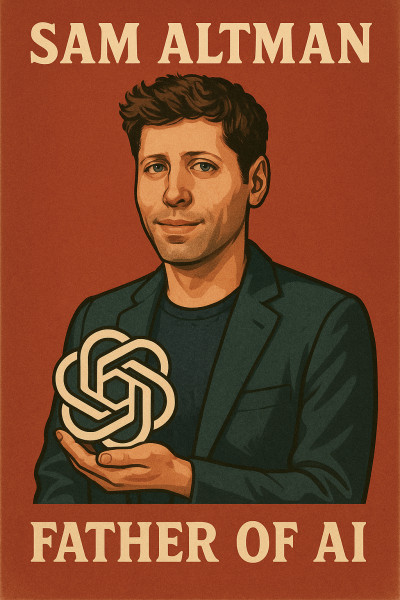
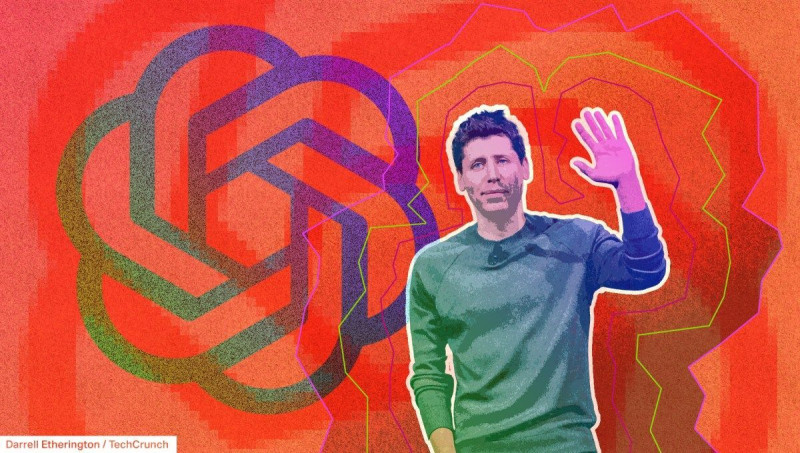
In 2026, the world of artificial intelligence is teeming with rapid advancements, and at the forefront of this transformative movement is Sam Altman. The CEO of OpenAI, Altman has been vocal about his belief that humanity is already experiencing what is known as the singularity—a point in time when AI surpasses human intelligence. Altman's vision, dubbed the "Gentle Singularity," offers a nuanced and perhaps more reassuring view of this monumental shift.
The Gentle Singularity: A Paradigm Shift in AI Progress
Altman's "Gentle Singularity" posits that the singularity is not a sudden, catastrophic event but a gradual, manageable progression. This perspective stands in stark contrast to the more dramatic visions of the singularity often depicted in popular culture and science fiction. According to Altman, the exponential growth of AI capabilities is already underway, and it is happening in a way that feels less alarming and more controllable.
Look, this isn't about the Terminator scenario. Altman's vision involves AI agents that gradually enhance productivity and revolutionize various industries. This progression isn't something that will happen overnight; rather, it's a series of incremental improvements that collectively form a significant leap forward. Imagine robots that assist in daily tasks, AI-driven discoveries that push the boundaries of science, and digital superintelligences that collaborate with humans to solve complex problems.
The singularity, as Altman envisions it, is already here. In January 2025, he dropped a cryptic six-word post on X: "Near the singularity, unclear which side." Eighteen months later, his stance has solidified. Speaking on a recent podcast, the OpenAI CEO made it clear: the singularity isn't an upcoming event—it's happening now.
Here's the thing: Altman's optimism isn't just about technological progress; it's about how we, as a society, adapt to it. He believes that the pace of AI development in the past decade has ushered in an era of superintelligence. However, he also acknowledges the need for vigilance and responsible innovation.
Navigating the Ethical and Societal Implications
The singularity brings with it a plethora of ethical and societal challenges. Altman's vision, while optimistic, doesn't shy away from these complexities. Altman warns of the potential dangers and acknowledges the need for careful navigation. The rapid advancement of AI could lead to job displacement, privacy concerns, and the potential for misuse. But Altman's message is clear: the key to managing these risks lies in responsible innovation and ethical guidelines.
Remind you of anything? Sound familiar? Remember the discussions around the singularity in the 2010s and 2020s, when the idea was often portrayed as a distant, almost mythical event? Well, Altman is telling us that the myth is now a reality.
One of the most compelling aspects of Altman's vision is his emphasis on building trust. In a world where AI is increasingly integrated into daily life, trust in the technology and its creators is paramount. Altman's position, centered on the concept of a "Gentle Singularity," aims to reframe the singularity as a manageable curve of progress rather than a sudden, existential shock. This approach seeks to calm fears and build a foundation of trust, encouraging people to embrace the transformative power of AI.
The Role of Trust and Innovation in Shaping Our Future
In an unexpected turn of events, Altman's journey to the helm of OpenAI has been tumultuous. He has faced criticism and scrutiny, but his unwavering commitment to responsible innovation remains constant. After being fired, Altman returned to his mansion in San Francisco, a place with panoramic views of the bay and once featured a cantilevered infinity pool. Yet, his focus has never been more clear: the future of AI and humanity is intertwined, and it is our collective responsibility to shape it wisely.
And then — get this — Altman's vision for the singularity isn't just about technology; it's about humanity. He believes that by embracing the Gentle Singularity, we can create a future where AI enhances our capabilities, solves complex problems, and improves the quality of life for all. But it requires trust, responsible innovation, and a commitment to ethical guidelines.
"The Gentle Singularity" isn't just a vision; it's a call to action. It's a reminder that the future of AI is in our hands, and it's up to us to shape it responsibly. Altman's optimism, backed by his expertise and experience, offers a roadmap for navigating the challenges and opportunities that lie ahead. So, as we move forward, let's ask ourselves: Are we ready to embrace the Gentle Singularity, or will we be left behind in a world transformed by AI?
How does this story make you feel?
 Up next · TechApple TV+ Outage: Users Left in the Dark as Streaming Issues Persist