Aftermath of the Appleton Tornado: A Community in Crisis
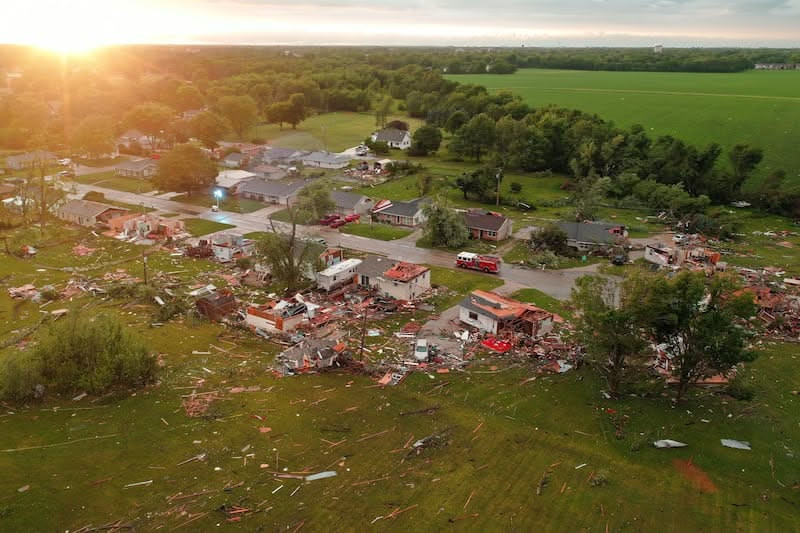
The Appleton tornado that struck northeastern Wisconsin on Monday has left a trail of destruction, prompting widespread panic and extensive damage across the Fox Valley region. The storm, confirmed by the National Weather Service in Green Bay, was first reported around 12:40 p.m. and rapidly moved southeast towards Appleton, leaving a path of devastation in its wake. Let's dive into the details of this catastrophic event, examine the immediate impact, and look at the ongoing response efforts.
Path of Destruction: The Devastation Caused by the Appleton Tornado
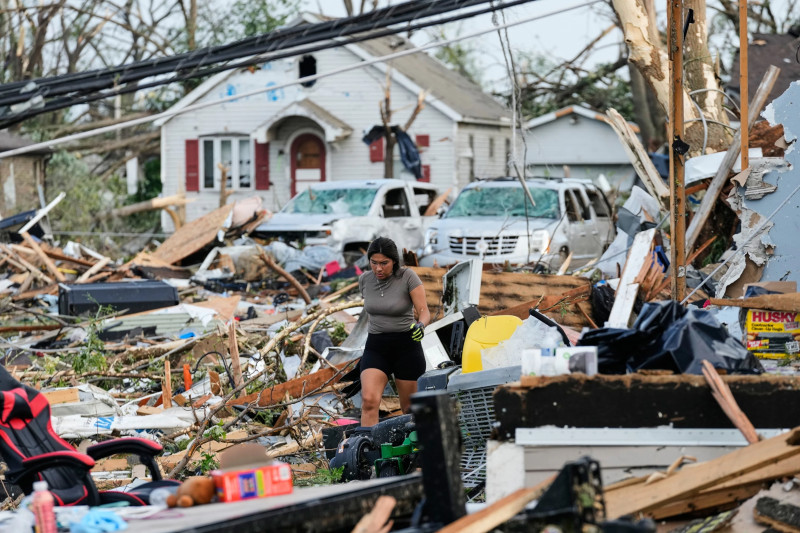
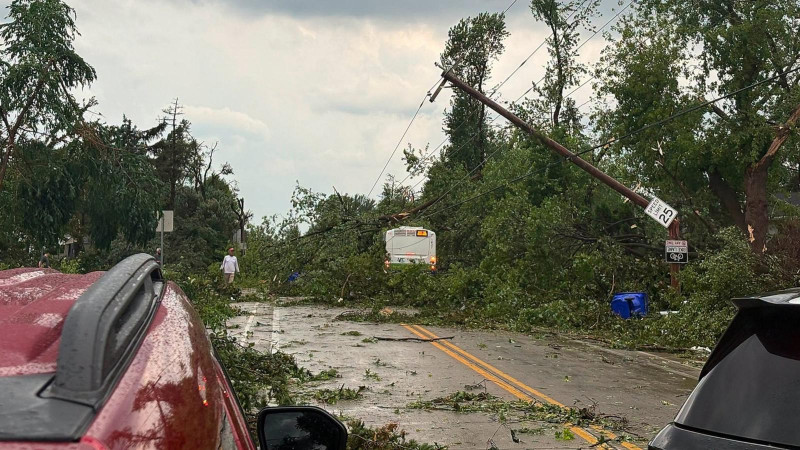
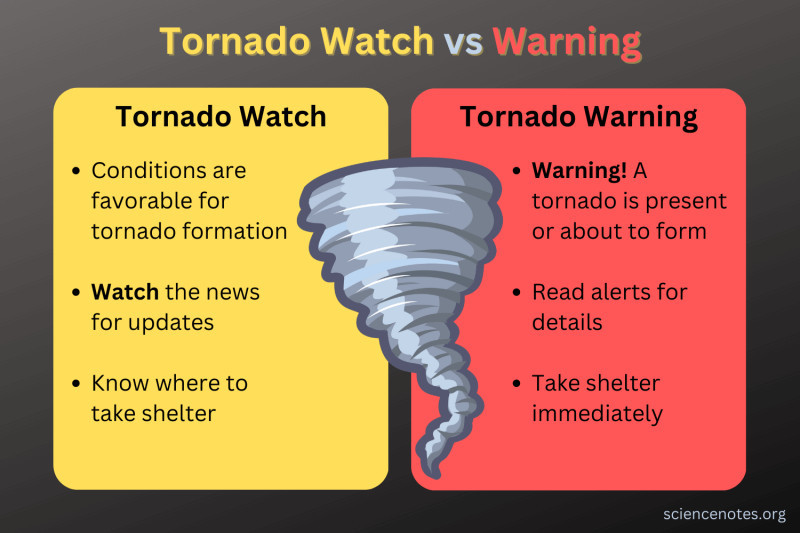
The tornado warning issued by the National Weather Service did little to mitigate the extensive damage caused by the storm, which reached speeds of 124 miles per hour, causing significant structural damage. The tornado carved a path through Menasha and Appleton, uprooting trees, destroying buildings, and leaving thousands without power. The scale of the damage is staggering, with reports of destroyed homes, businesses, and critical infrastructure, leaving many residents wondering how they will rebuild from this disaster.
Community's Response to the Appleton Tornado: A Tale of Resilience
In the aftermath of the tornado in Appleton, Wisconsin, the community has banded together to offer assistance and support. Emergency services have been working around the clock to respond to storm-related calls, clear debris, and restore essential services. Local businesses and organizations have also stepped up to provide aid, including food, water, and shelter for those displaced by the storm. The outpouring of support from the community highlights the strength and resilience of the Fox Valley region, even in the face of such a devastating event.
Avoiding Denial: The Reality Checking Nature of the Disaster
While the immediate response has been remarkable, let's not kid ourselves: the long-term recovery will be an uphill battle. The National Weather Service has reported that the damage from the Appleton tornado will likely take months, if not years, to fully repair. The financial and emotional toll on the community will be immense, and while the support has been overwhelming, the reality is that many will need more than just temporary relief. The data is damning, and it's crucial for the community to remain steadfast in their recovery efforts.
The widespread destruction caused by the Appleton tornado serves as a stark reminder of the power of nature. As the community begins the long road to recovery, it's imperative that we remain vigilant in our preparedness for future storms. Here's what nobody's asking: how can we better protect our communities from such catastrophes in the future? By investing in infrastructure, improving weather forecasting, and strengthening emergency response systems, we can ensure that the Fox Valley region is better prepared for whatever challenges lie ahead. As the community continues to rebuild, we must remember the lessons learned from this disaster and work together to create a more resilient future. How will the trail of destruction caused by the Appleton tornado shape the future of the Fox Valley region? The next few days, weeks, and months will surely tell the tale, but there's no doubt that this tornado in Appleton, Wisconsin will leave a lasting mark on the community.
How does this story make you feel?
 Up next · WorldBryan Kohberger: The Controversial Case of an Unlikely Killer