St. Louis Weather: The City Under a Blanket of Heat, July 2026
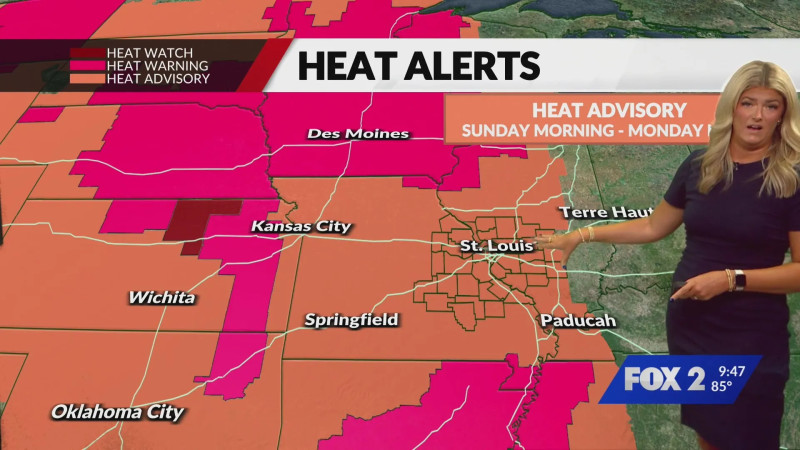
Imagine St. Louis as a pot on a stove, the mercury rising, the air thick and heavy with an unyielding heat that seems to burrow into every nook and cranny of the city. On this July 28, 2026, the city is under a heat advisory that feels less like a weather alert and more like an intense, unrelenting blanket, smothering the city in its grip. The National Weather Service has issued an extreme heat warning — a stark reminder that this isn't just about comfort, but about safety.
Unprecedented Extreme Heat Warning for St. Louis
St. Louis is no stranger to hot summers, but the current extreme heat warning is more than just a few extra degrees. Issued by the National Weather Service, the advisory came into effect at 5:14 PM on July 27, 2026, warning residents about the potential for heatstroke and other heat-related illnesses. The city is bracing for a prolonged period of severe heat, with temperatures expected to soar above 100°F (37.8°C) accompanied by oppressive humidity levels.
In such conditions, the human body's natural cooling mechanisms, such as sweating, can become ineffective, leading to dehydration, heat exhaustion, and potentially fatal heatstroke. The National Weather Service has urged residents to stay indoors as much as possible and avoid strenuous activities during peak heat hours. Cooling centers have been opened across the city to provide respite for those without access to air-conditioned environments. The United Way of Greater Saint Louis has set up a hotline for residents to find the nearest cooling center or seek energy assistance.
Floods and Flash Floods: The Aftermath of Heavy Rainfall
While the heat advisory is a pressing concern, St. Louis is still recovering from the aftermath of heavy rainfall. Thunderstorms produced 6-12 inches of rainfall from July 27, 2026, through early this morning, resulting in extensive and catastrophic flash flooding across eastern Missouri. The National Weather Service has issued a Flood Watch that remains in effect, with additional rainfall expected in the same area through tonight.
Flash floods are particularly dangerous due to their sudden onset and rapid water rise. Residents are urged to stay away from low-lying areas, avoid driving through flooded roads, and be aware of potential debris and other hazards in floodwaters. The National Weather Service also warns of possible power outages and disrupted public services, urging residents to prepare emergency supplies and stay informed about local conditions.
Local Resources and Emergency Preparedness
The National Weather Service in St. Louis, Missouri, provides continuous updates and alerts for severe weather events, including thunderstorms, flash floods, and extreme heat warnings. Residents can access daily and weekly weather forecasts from KMOV First Alert Weather, which offers detailed information on expected weather conditions and potential hazards.
For those in need of assistance, the United Way of Greater Saint Louis operates a 24/7 hotline at 800-427-4626, providing information about cooling centers, energy assistance, and other resources related to the excessive heat. Additionally, Cool Down Saint Louis, a local initiative, offers support and resources to help residents cope with the extreme heat, including a dedicated hotline at 314-241-7668.
The city has set up multiple cooling centers across St. Louis, offering a refuge from the relentless heat. These centers are equipped with air-conditioning, hydration stations, and medical personnel to assist those experiencing heat-related symptoms. The centers are open to everyone, prioritizing the elderly, children, and individuals with chronic health conditions.
“Heat stroke is an emergency! Call 911 if you or someone else shows signs of heatstroke, such as a high fever, confusion, loss of consciousness, or hot, dry skin. Rapid medical intervention can be lifesaving in such cases.”
As St. Louis navigates this period of extreme heat, residents are advised to stay vigilant and prepared. By following the guidelines and utilizing available resources, the city can mitigate the risks posed by this intense weather event. The question lingers: How will St. Louis adapt to these increasingly frequent and severe weather events, and what measures will be implemented to ensure the safety and well-being of its residents in the long term?
How does this story make you feel?
 Up next · ScienceJackie's Plight: The Unfolding Saga of Big Bear's Beloved Bald Eagle