The Crucial Distinction: Tornado Warning vs. Watch
When the weather starts to get wild, and you hear about a tornado warning or a tornado watch, it's important to know what these terms really mean. In a region like Asheville, where weather can turn on a dime, understanding the difference can be a lifesaver. Tornadoes are a serious weather phenomenon, and being prepared can mean the difference between safety and catastrophe.
Understanding a Tornado Watch: What It Means and What to Do
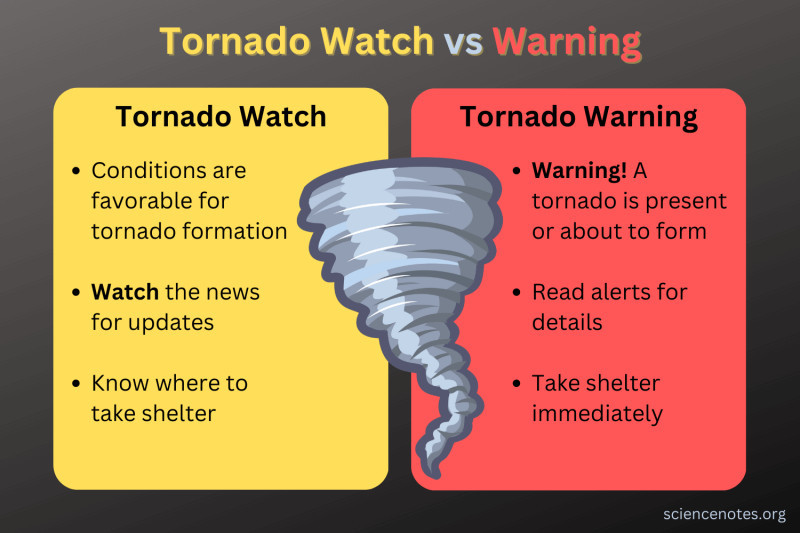
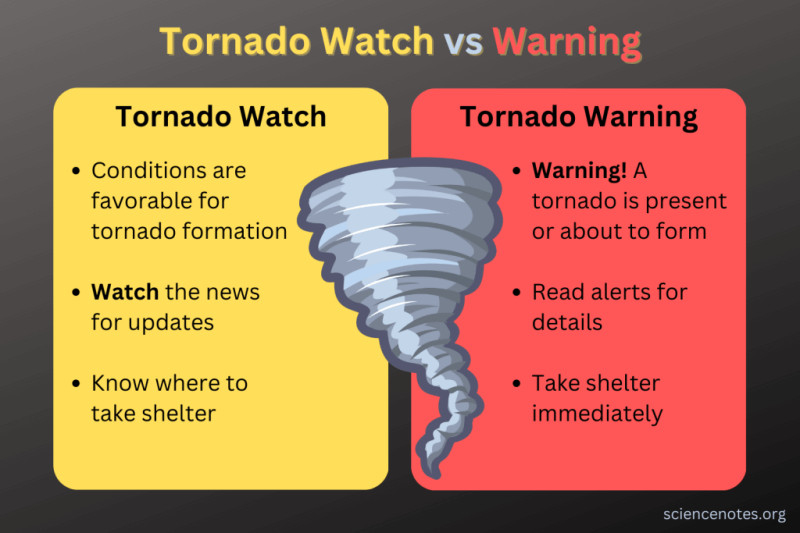
Now, let's dive into the specifics of a tornado watch. When the National Weather Service issues a tornado watch, it means that conditions are ripe for tornadoes to form. This doesn't mean a tornado is imminent, but it's a heads-up that the weather is conducive to tornado development. Picture this: you're driving through the countryside, and the sky starts to darken. Your phone buzzes with a tornado watch alert. This is your cue to be on high alert.
Here are some action steps to take during a tornado watch: 1. Stay informed: Keep your eye on the weather and listen to local news or weather alerts. 2. Be prepared to act: Know your safe spot—whether it's a basement, an interior room without windows, or a designated shelter. 3. Stock up on essentials: Make sure you have your emergency kit handy, with supplies like water, food, a first-aid kit, and a flashlight.
When a Tornado Warning is Issued: Immediate Action Required
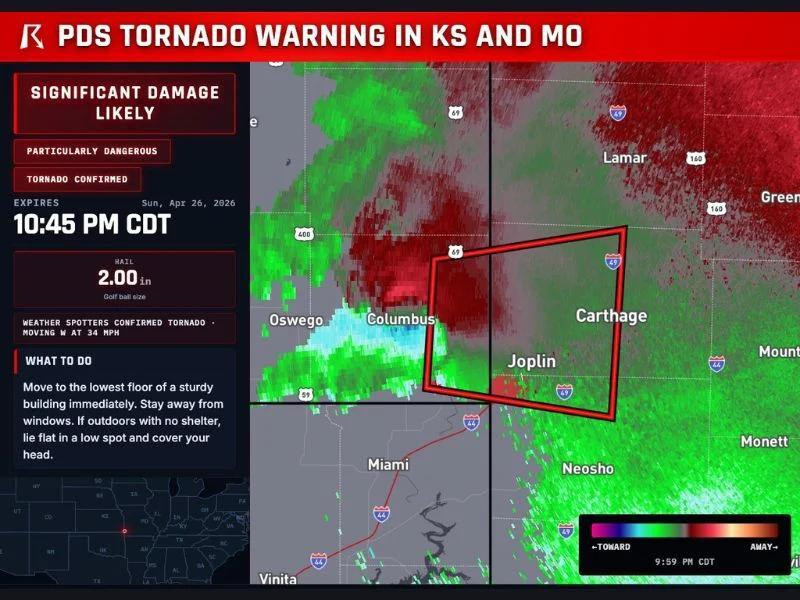
On the other hand, a tornado warning is a different beast entirely. This alert means that a tornado has been spotted or is strongly indicated by weather radar. Unlike a watch, where you're on standby, a warning means you need to take immediate action. Imagine you're at home, and suddenly your phone blasts a tornado warning. This is not the time to wait and see. You need to act fast.
When a tornado warning is issued, here's what you need to do: 1. Go to your safe spot immediately. If you're indoors, head to the lowest level of your building, ideally a basement or an interior room without windows. 2. If you're outdoors, get to the nearest sturdy building as quickly as possible. If you can't find shelter, lie flat in a ditch or low-lying area and cover your head. 3. Stay tuned to local weather updates and follow the advice of emergency personnel.
Another important aspect to consider is the duration and scope of these alerts. A tornado watch can cover a large area—sometimes multiple counties or even states—and can stay in effect for several hours. This gives you time to prepare and stay vigilant. In contrast, a tornado warning is usually more localized and shorter in duration, often lasting for a specific period until the threat has passed.
Now, let’s talk about the nuances. A tornado emergency is a step beyond a warning. It indicates that a large, destructive tornado is imminent or occurring, and you need to take immediate, life-saving actions. This is the time to follow your emergency plan to the letter, ensuring the safety of you and your loved ones.
The distinction between a tornado warning and a tornado watch might seem subtle, but it's incredibly important. A watch is your signal to prepare and stay alert. A warning is your call to action. Look, when you're in severe weather territory, knowing the difference can save your life. Sound familiar? It should. This is basic safety 101.
Here's the thing. The weather in Asheville can be as unpredictable as a wildcat, and staying informed is your best defense. So, what should you do if you hear that there's a tornado warning near you? Act immediately. Don't wait. Don't second-guess. Just move to safety.
And then — get this — think about the Great Galveston Hurricane of 1900. It was a devastating event that caught many off guard. The lack of preparedness and communication systems then led to a massive loss of life. The tragedy underscores the importance of heeding tornado warnings and being ready.
How does this story make you feel?
 Up next · ScienceFull Moon Tonight: A Spectacular Lunar Show in the Heart of Paris