UEFA's Boycott of FIFA: A Seismic Shift in Global Soccer Politics
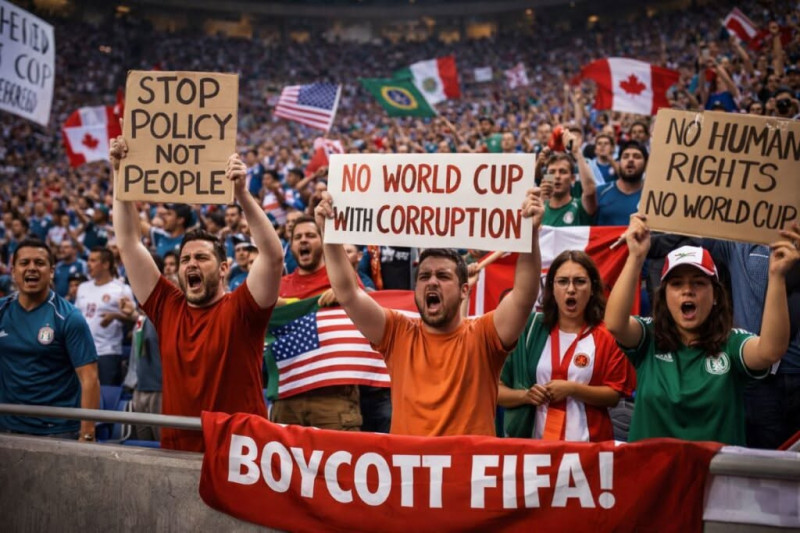
The battle lines have been drawn in the global soccer landscape. UEFA, the governing body of European soccer, has declared a boycott of all FIFA competitions in a dramatic escalation of a long-simmering rivalry. The decision, driven by FIFA's controversial plan to bring in private investors, threatens to reshape the sport's future.
Unprecedented Conflict: UEFA's Boycott of FIFA
UEFA to boycott all FIFA competitions, including World Cups, until a controversial proposal to bring in private investment is killed. The move, a collective stand by UEFA's 55 member nations, has sent shockwaves through the soccer world. At the heart of the dispute is FIFA's plan to sell stakes in the World Cup to private investors, a move UEFA sees as a betrayal of the sport's principles.
UEFA has accused FIFA of 'enriching themselves and their friends' over the World Cup sell-off. The decision to boycott any competition run by FIFA was taken unanimously by UEFA's member associations. This boycott extends to any FIFA-run competition, a sweeping statement that includes not just World Cups but also other major tournaments. FIFA has responded by issuing a statement that threatens retaliation.
UEFA's stance is not isolated; CONCACAF, the governing body for North and Central American soccer, has also voiced opposition to FIFA's equity sale, citing concerns over the influence of private investors. This cross-continental alliance underscores the gravity of the situation, with the potential to fracture the global soccer community.
Radical Change: The FIFA Private Investment Plan
Gianni Infantino, the president of FIFA, has proposed selling a stake in World Cup revenue to private investors. The move, if approved, would allow FIFA to create a subsidiary that would operate the World Cup and other tournaments with private investment. UEFA argues that this would fundamentally alter the nature of the sport, turning it into a profit-driven enterprise rather than a global sporting event. The proposal has even roused the FA and CONCACAF to join the chorus of disapproval.
A New Direction: The Future of Global Soccer
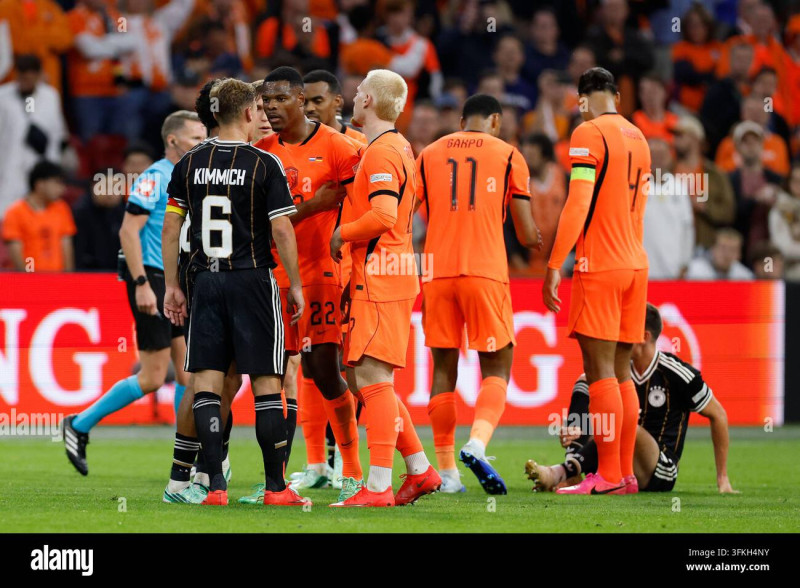
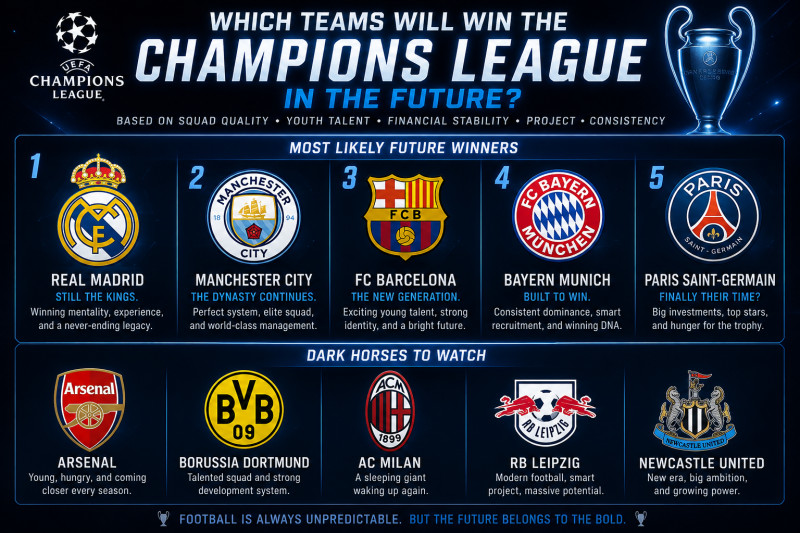
The boycott by UEFA, along with the backing from CONCACAF, represents a significant turning point in global soccer politics. FIFA, now isolated, faces a formidable challenge. The World Cup, a tournament that has long captured the imagination of fans worldwide, now teeters on the brink of a radical transformation. Imagine the World Cup without the top European teams. UEFA has been the driving force behind some of the most memorable moments in soccer history, from the Champions League to the European Championships.
But what will this mean for the fans? For the players? For the sport itself? How will this boycott play out in the long term? The soccer world waits with baited breath.
"FIFA's proposal to sell stakes in the World Cup to private investors has the potential to transform the sport into a commercial enterprise. The UEFA boycott underscores the deep divide within the global soccer community over this issue." — Expert Quote from UEFA's Official Statement.
This dispute is not just about money. It's about the soul of the game. As the boycott continues, it remains to be seen how FIFA will respond to this unprecedented challenge. Will they back down and abandon their plans for private investment? Or will they dig in their heels and face the consequences of a divided soccer world? As the battle lines are drawn, one thing is clear: the future of global soccer is at stake.
How does this story make you feel?
 Up next · SportsJakub Mensik: The Rising Star in Tennis