The Enduring Enigma of Pan Am Flight 103: The Lockerbie Bombing
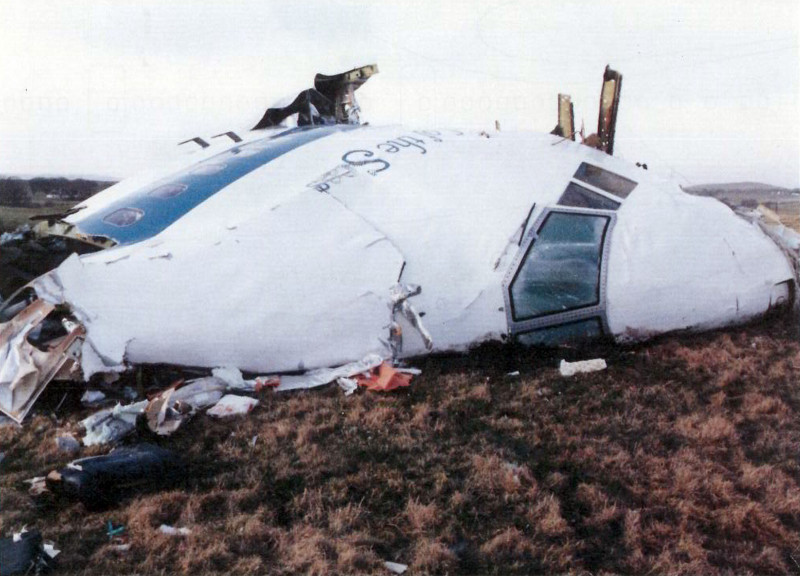
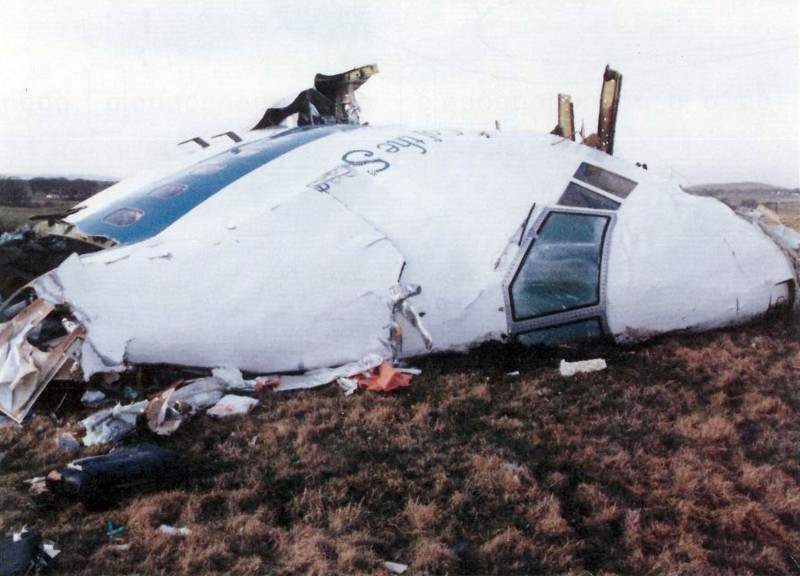
Thirty-three years after the devastating explosion of Pan Am Flight 103 over Lockerbie, Scotland, the bombing remains a stark reminder of the terror that once seemed unimaginable. On the chilly December night of 1988, the Boeing 747 disintegrated in the skies, scattering debris and bodies across the tranquil town. The Lockerbie bombing left 270 people dead, making it one of the deadliest acts of terrorism in the UK before 9/11.
The Night That Changed History: The Bombing of Pan Am 103
The fateful night of December 21, 1988, was supposed to be a peaceful one. Pan Am Flight 103, traveling from Frankfurt to Detroit via London and New York, carried 259 passengers, mostly Americans, along with 16 crew members. The flight route, a familiar path for many, was the target of a carefully planned act. The plane exploded at 19:03, immediately after a bomb detonated in the cargo hold.
Forensic analysis and extensive investigations by the FBI, CIA, and British authorities revealed that the bomb was hidden in a radio-cassette player, which was placed in a suitcase. The suitcase was marked for transfer at Heathrow Airport, ultimately making its way onto Pan Am 103. The device was designed to explode at a high altitude, ensuring maximum destruction.
Investigators later discovered that the timing device was manufactured in Libya. This finding led to suspicion on Libya, which was already under international scrutiny for its alleged involvement in terrorism.
The investigation faced numerous challenges, including a lack of direct evidence and the destruction of crucial physical evidence. However, the coordinated efforts of international agencies eventually led to the identification of two suspects.
The Trail of the Terrorists: From Libya to Lockerbie
The trail of the Pan Am 103 bombing led straight to Libya, implicating the Libyan government and its leader, Muammar Gaddafi. Despite the mounting evidence, the Libyan regime denied any involvement, citing a grandiose conspiracy against their nation.
The center of the investigation focused on two individuals: Abdulbaset Ali Mohammed al-Megrahi and Lamin Khalifah Fhimah. Al-Megrahi, a Libyan intelligence officer, was identified as a key figure in the bombing. Fhimah, a former Libyan Arab Airlines employee, became a secondary suspect.
The extensive investigation included intelligence reports, forensic evidence, and revelations from informants. The trial of al-Megrahi and Fhimah began in 2000 under Scottish law in the Netherlands. After a lengthy legal battle, al-Megrahi was convicted and sentenced to life in prison, while Fhimah was acquitted.
In 2003, Libya agreed to pay compensation to the families of the victims, acknowledging its role in the bombing. This marked a significant shift in Libya’s stance, moving from outright denial to partial acknowledgment.
The Aftermath and Legacy of Pan Am 103
In the wake of the bombing, aviation security was overhauled. The U.S. and UK governments implemented stricter screening measures, including enhanced cargo checks and more rigorous passenger screening. The tragedy also led to the formation of international agreements aimed at combating terrorism.
Pan Am, a once-renowned airline, never recovered from the devastating blow. Financial struggles and a tarnished reputation ultimately led to its collapse in 1991.
For the families of the victims, the bombing remains an unhealed wound. The loss of loved ones in such a horrific manner has left a lasting impact, and the struggle for closure and justice continues.
The town of Lockerbie, once a quaint Scottish town, was forever altered by the tragedy. The Lockerbie Air Disaster Memorial, a poignant reminder of the tragedy, stands as a testament to the lives lost.
"The Lockerbie bombing wasn’t just an act of terrorism; it was a turning point in how the world views and deals with terrorism. It changed everything, from how we travel to how we protect our skies."
What if the bombing had never happened on that fateful December night? What if the world had never seen the devastation of a commercial airliner exploding, the victims scattered across a tranquil town? What if the families of Pan Am 103 had never known the horror that would forever alter their lives?
As we remember the lives lost in the Pan AM 103 tragedy, the world is poised on the brink of a new era of political reckoning. Libya, once a pariah state, is again fighting for its place in the global community. Will history repeat itself? Who will be the next to fall victim to the relentless pursuit of power?
How does this story make you feel?
 Up next · WorldNancy Guthrie: The Unfolding Saga Baffling Pima County