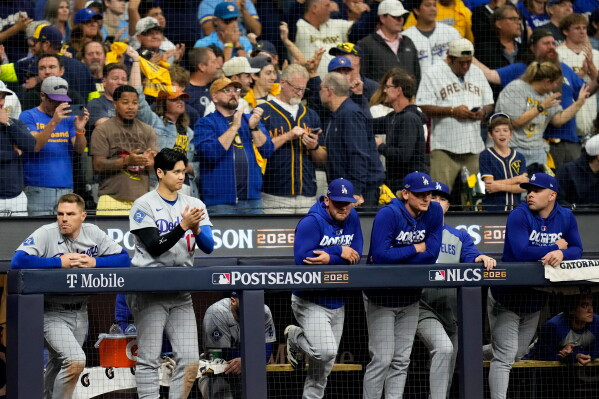
The Dodgers' Nightmare: Red Sox Sweep and Emmet Sheehan's Challenging Outing
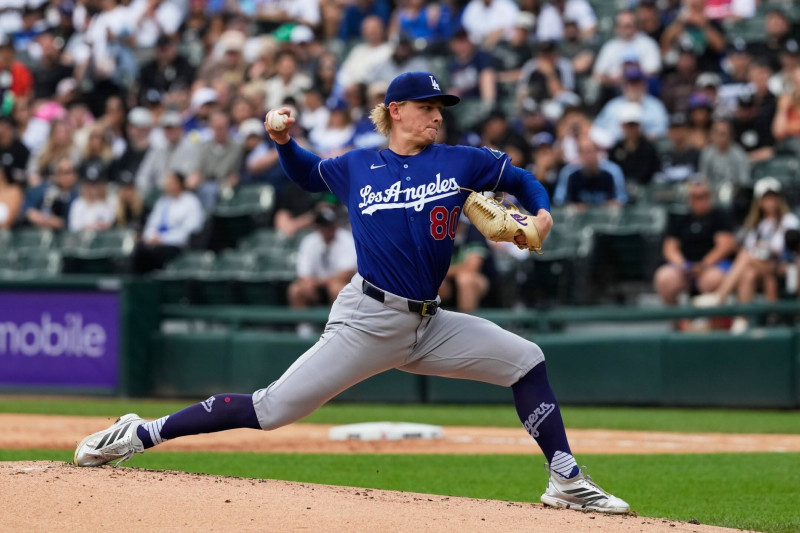
The Dodgers vs. Red Sox series concluded with a dramatic sweep by the Red Sox, leaving the Dodgers in a state of disarray. The series was highlighted by the Red Sox's dominant performance and Emmet Sheehan's tough outing on the mound. The Boston Red Sox's victory in the series saw them secure a sweep for the first time since 2010, showcasing their offensive prowess and defensive resilience.
A Dominant Red Sox Offense
From the start, the Red Sox set the tone with a powerful offensive display. Masataka Yoshida and Caleb Durbin each contributed RBI singles in the opening frame, putting the Red Sox ahead early. After Los Angeles briefly took a 3-2 lead in the second inning, the Red Sox responded with a home run surge in the third. This inning saw three solo home runs from Ceddanne Rafaela, Wilyer Abreu, and Masataka Yoshida, giving the Red Sox a commanding 5-3 lead.
The Red Sox's ability to hit back after the Dodgers' lead change in the second inning underscores their resilience and offensive depth. The three home runs in a single inning by different players highlight the team's diverse hitting abilities and their collective strength. Sound familiar? Here's something equally impressive: In the 2010s, the Red Sox were known for their clutch hitting, and this series reminded fans of that era, where the team could turn around a game with a few well-timed hits.
Emmet Sheehan's Struggle
Emmet Sheehan, the Dodgers' starting pitcher, found himself under immense pressure from the Red Sox's relentless offense. Sheehan's performance was marred by the Red Sox's home run surge in the third inning, which cost him five runs on six hits over just 2.2 innings.
Sheehan's struggles were evident as the Red Sox capitalized on his mistakes, turning the game into a showcase of their offensive firepower. The Dodgers' starter, Emmet Sheehan, seemed to reel from the very start, giving up two runs in the first inning alone. This is a stark contrast to his usual performance, where he is known for his precision and control. The Red Sox's aggressiveness at the plate, combined with Sheehan's off-day, made for a challenging game for the Dodgers.
The Red Sox's Offensive Power
The Red Sox's offensive display was not just about power but also about timing and precision. Masataka Yoshida, in particular, had a stellar game, going 2-for-4 with a homer and a walk. His RBI single in the first inning scored Ceddanne Rafaela and set the tone for the game. Yoshida's performance was a testament to his batting prowess and his ability to come through in clutch situations.
Yoshida's contributions extended beyond his home run. His single in the first inning was crucial in scoring Rafaela, who had been hit by a pitch earlier in the at-bat. This sequence of events showcased the Red Sox's ability to execute under pressure and capitalize on every opportunity. Yoshida's performance was a microcosm of the Red Sox's overall offensive strategy, which relies on a mix of power and precision.
Here's the thing: The Red Sox's ability to hit back after the Dodgers' lead change in the second inning underscores their resilience and offensive depth.
“The Red Sox’s offensive display was a display of power and precision, with Yoshida's contributions extending beyond his home run. His single in the first inning was crucial in scoring Rafaela, who had been hit by a pitch earlier in the at-bat.” - NBC Sports
The Dodgers vs. Red Sox series was a testament to the unpredictability of baseball. The Red Sox's sweep, highlighted by Sheehan's struggling outing and the team's offensive prowess, left the Dodgers reeling. As we look back at this series, it's hard not to draw parallels to historic moments in baseball. The Red Sox's ability to adapt, execute, and dominate in the clutch are reminiscent of their classic teams from the past.
How does this story make you feel?
 Up next · SportsLA Sparks' Daring Trade: Kelsey Plum Swapped For Future Assets