Choking on Smoke: Portland and Seattle Air Quality Crisis
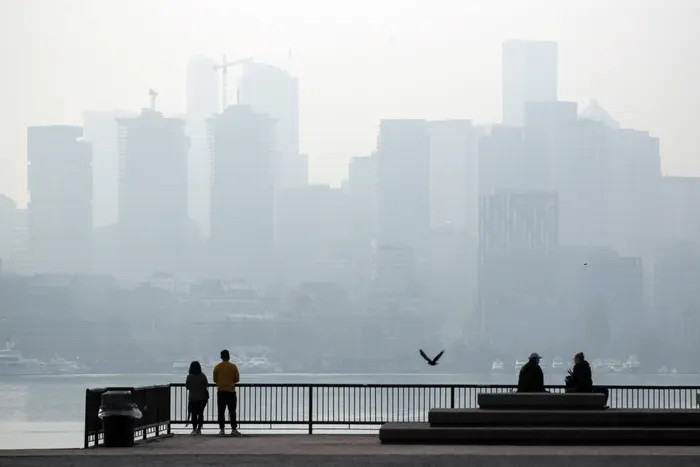
The wind might be blowing the wrong way for Portland and Seattle residents today, as the smoke from wildfires across Oregon and Washington has started to blanket the region. It's August 4, 2026, and much of the Pacific Northwest is under an air quality warning, with smoke from wildfires in Oregon and Washington now moving west of the Cascades.
Smoky Skies: The Wildfire Crisis in the Pacific Northwest
Wildfires have been burning for weeks in Oregon and Washington, and as the smoke makes its way to coastal areas, residents of Seattle and Portland are waking up to a sky that's turned hazy and gray. The Oregon Department of Environmental Quality (DEQ) has issued an air quality advisory for much of the state, including the Portland metro area.
As of today, wildfire smoke is affecting not just Portland, but also cities like Salem. The Mid-Valley, including Salem and surrounding areas, is experiencing a decline in air quality due to the heavy smoke. This has led to an air quality advisory that could affect millions of residents.
Looking at the AirNow Interactive Map, you can see how the smoke is spreading across the region. The map tracks active fires larger than 1 acre, and the real-time satellite imagery shows just how extensive the smoke plumes are. But not all smoke plumes are visible from space, especially at night or through clouds, which can make real-time air quality assessments tricky.
Here's the thing: this isn't just about the current situation. Climate change models predict that wildfire seasons will likely get worse, making these smoky summers the new normal. And as we saw in 2020, these conditions can last for weeks, affecting millions and prompting health advisories across the region.
Air Quality Advisory: What Residents Need to Know
So, what does this air quality advisory mean for residents? The advisory is in effect for a wide range of areas, including Multnomah, Clackamas, and Washington counties in the Portland metro area, as well as counties in central and eastern Oregon.
The Oregon DEQ has specifically issued an advisory for all of these counties due to the unhealthy air quality that has been caused by wildfire smoke. Residents are advised to take precautions, especially those with respiratory conditions or compromised immune systems.
Your best bet for staying informed is to keep an eye on the AirNow.gov website, which provides air quality data in real-time. The site has been redesigned to highlight local air quality data, making it easier for residents to understand the conditions in their own backyards.
When you check the AirNow Fire and Smoke Map, you'll notice that the smoke plumes are most detectable in the afternoon. These plumes are visible thanks to satellite imaging, which helps track the movement of smoke and predict how it might affect ground-level air quality.
And you might be asking, 'How long will this last?' Unfortunately, it's hard to say. With wildfires continuing to burn, and wind patterns shifting, it could be a matter of days or even weeks before the air clears.
A good rule of thumb: if you can smell the smoke, you should probably avoid outdoor activities and keep an eye on your local air quality reports.
Seattle's Air Quality Struggle
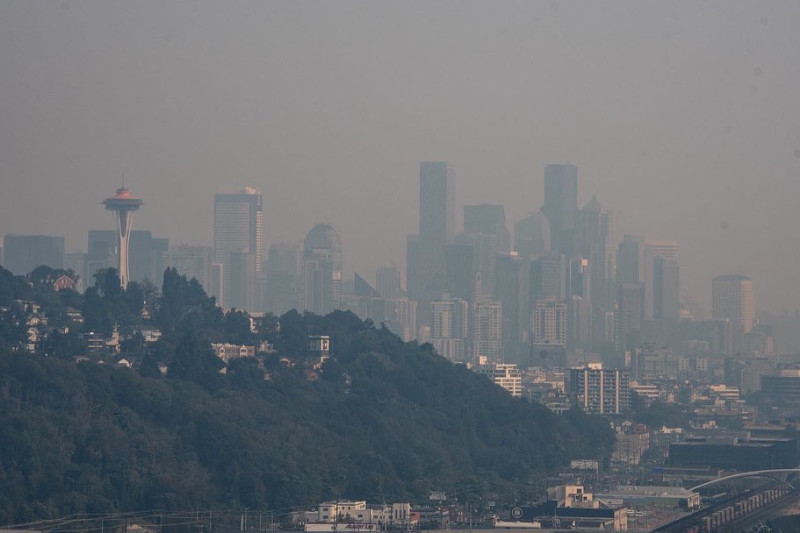
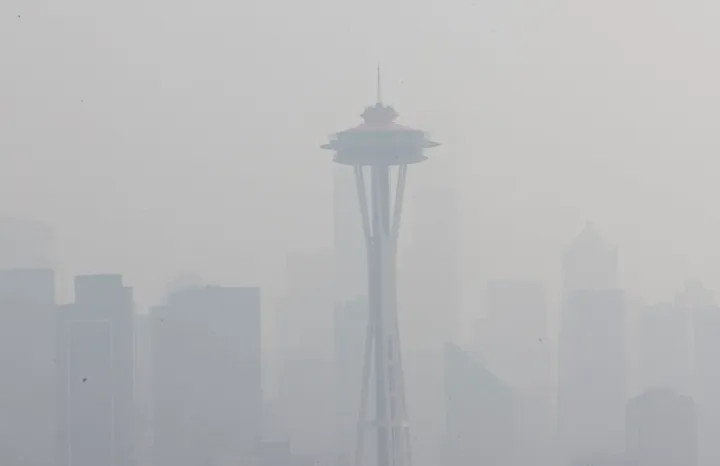
Look, if you thought Portland was the only city affected by this, think again. Seattle is also under the same air quality advisory, with the smoke from the same wildfires affecting the entire region.
In both cities, the air quality forecast is a prediction of the day's overall AQI, issued by state and local air quality forecasters. These forecasts are essential for residents to plan their days and understand the risks associated with outdoor activities.
And here's a sobering thought: this isn't the first time Seattle has been affected by wildfire smoke. In recent years, the city has faced similar air quality issues, and the situation is only expected to get worse as wildfire seasons become more intense.
If you're in the Seattle area, the best advice is to prepare for the possibility of prolonged poor air quality. Keep your windows closed, use air filters, and avoid outdoor activities if the AQI level is high.
And if you're looking for a lighter note, remember that Seattleites have had to deal with smoke before. This isn't the first time the city has faced air quality issues, and it won't be the last.
For example, back in 2017, Seattle faced a similar situation when smoke from Canadian wildfires blanketed the city. The air quality issue was so severe that it prompted health warnings and even shutdowns of outdoor activities for several days.
But here's where it gets interesting: if you look back at historical data, you'll see that Portland and Seattle have faced air quality challenges long before wildfires. In the 1950s, the Portland area was notorious for its air pollution, largely due to industrial emissions and coal-fired power plants. The city was once dubbed the "Smokestack City" — a stark contrast to the clean, green image it has today.
So next time you're choking on wildfire smoke, remember that Portland and Seattle have come a long way. And even if the air quality today is far from ideal, it's a reminder of how much we've improved and how far we still have to go. Sound familiar? Remind you of anything?
How does this story make you feel?
 Up next · HealthPhoenix Enveloped in Massive Dust Storm: Air Quality Crashes