Jahmyr Gibbs' Contract Standoff: A New Chapter in NFL Negotiations
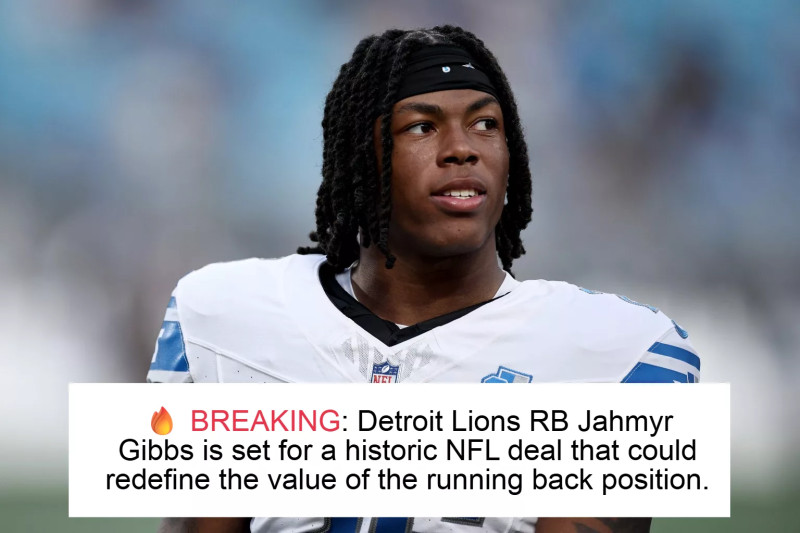
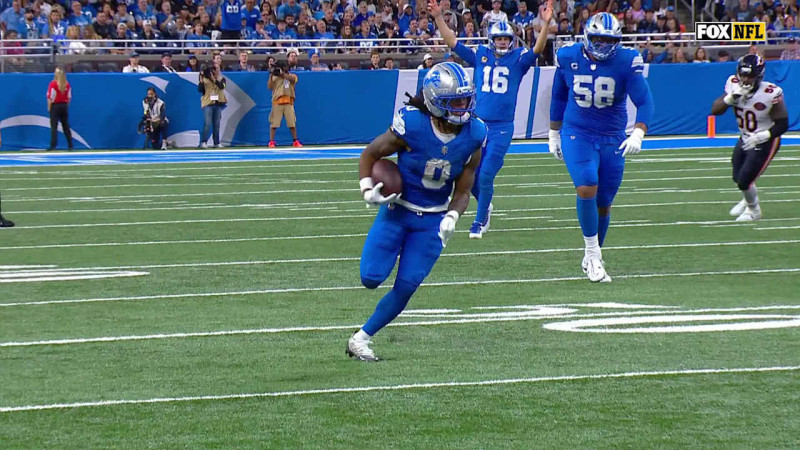
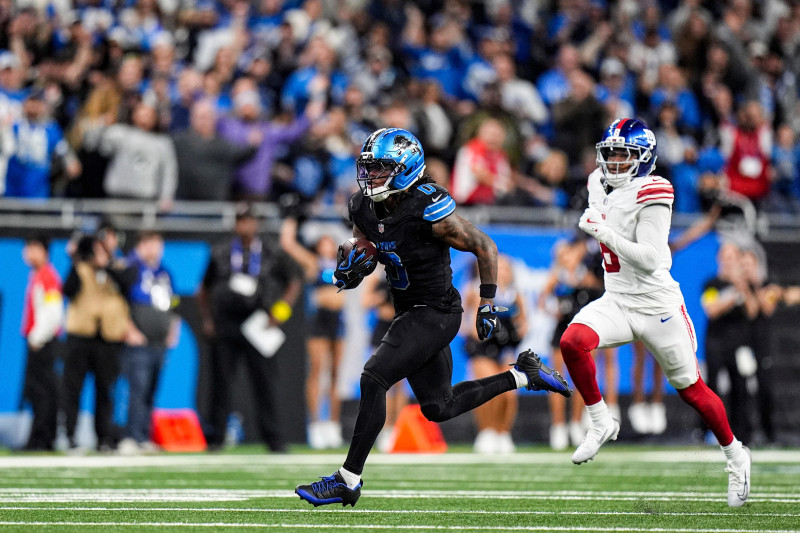
In the ever-evolving saga of NFL contract negotiations, Jahmyr Gibbs has found himself at the center of a high-stakes standoff. The Detroit Lions running back is in the midst of a contract hold-in, a strategy where the player remains absent from practices and training camps until a favorable deal is reached. It’s a move that has resonated with fans, pundits, and even fellow players, notably Bijan Robinson, who recently secured a record-setting contract extension with the Atlanta Falcons.
The Contract Hold-In: A Strategic Move in the NFL
What exactly is a contract hold-in, and why is it such a big deal? Here’s the thing: in the NFL, player contracts are often a point of contention. The hold-in is essentially a form of silent protest, where a player makes a public statement by not participating in team activities. For Gibbs, this means skipping practices and training camps, a move that has garnered significant attention and stirred discussions across the league.
Gibbs' hold-in has been strategically timed to align with the start of training camps, maximizing the pressure on the Detroit Lions' front office. By staying away from the field, Gibbs sends a clear message: he wants a contract that reflects his value and contributions to the team. As fans, we can appreciate the strategy, but it also raises questions about the future of contract negotiations in the league.
This development is far from isolated. The standoff mirrors a recent trend where top-tier athletes, especially running backs, are pushing for better deals. Bijan Robinson’s newly signed three-year, $75 million contract with the Falcons has set a new benchmark, potentially influencing Gibbs' negotiations.
Comparing Jahmyr Gibbs' and Bijan Robinson's Contract Standoff
Let’s dive into the specifics of the hold-ins. Robinson and Gibbs have both opted to take this route, but their situations are slightly different. Robinson's hold-in came after a prolonged period of negotiations, while Gibbs' is more about timing. Both players are seeking long-term deals that reflect their significant contributions to their respective teams.
Robinson's recent contract extension has put a spotlight on the running back market. His deal, which guarantees $51 million, has set a new standard for what elite running backs can expect in terms of compensation. And then — get this — Gibbs’ hold-in is part of a broader narrative. The league is seeing a shift where players are increasingly aware of their market value and are willing to take a stand.
This strategy, while risky, has proven effective in recent times. Earlier this year, Jonathan Taylor secured a lucrative contract extension after holding out. The precedent set by Taylor and Robinson has bolstered the confidence of other players, including Gibbs, to push for better deals.
The Future of Jahmyr Gibbs' Contract Negotiations
So, what’s next for Jahmyr Gibbs? The future hinges on the Detroit Lions’ willingness to meet his demands. With the recent precedent set by Bijan Robinson, there is a glimmer of hope. As fans, we can expect the standoff to continue until a mutually beneficial agreement is reached. The key will be how the Lions' front office navigates these negotiations, especially considering the impact such a deal could have on the team's salary cap.
One expert, Dan Campbell, head coach of the Lions, shed some light on the situation, "Jahmyr Gibbs' extension talks could move along quicker after Bijan Robinson's deal with the Falcons. We're optimistic that a resolution will be reached soon." This sentiment reflects the broader understanding that Gibbs' hold-in is not just about him, but also about the future of player contracts in the league.
The hold-in tactic is a double-edged sword. It puts pressure on the front office, but it’s also a reflection of the players' newfound empowerment. These negotiations are more than just about money; they’re about respect and recognition of the players' value to the team.
As the Jahmyr Gibbs saga unfolds, one thing is clear: the NFL is at a critical juncture in its history. The contract standoffs, while challenging, are a testament to the evolving dynamics of player-owner relations. The future of these negotiations will undoubtedly shape the league's landscape for years to come.
How does this story make you feel?
 Up next · SportsDillon Dingler's Homer Holds Off Mariners