Senator Lisa Murkowski’s Stance Against Todd Blanche Puts Confirmation in Jeopardy
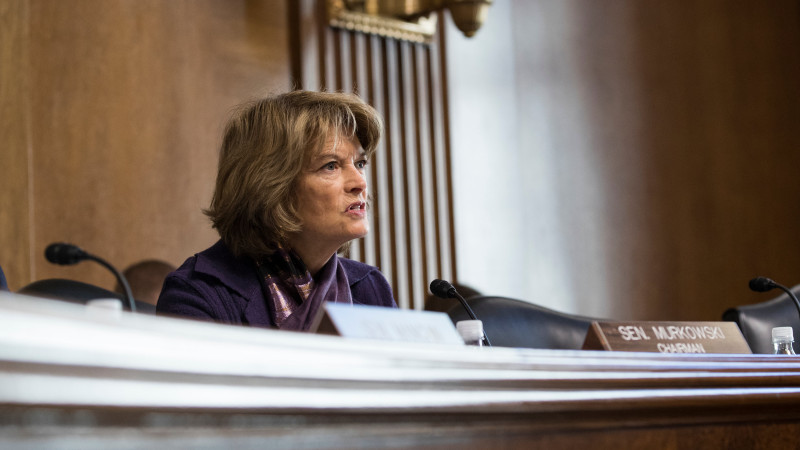
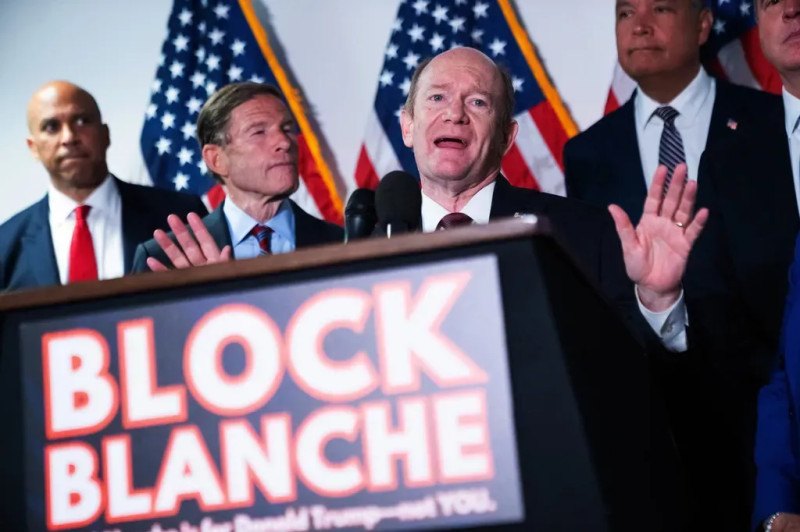
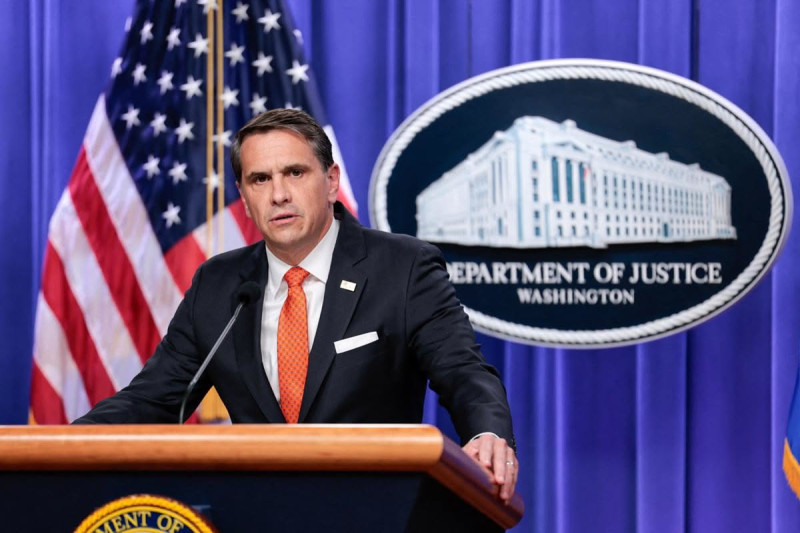
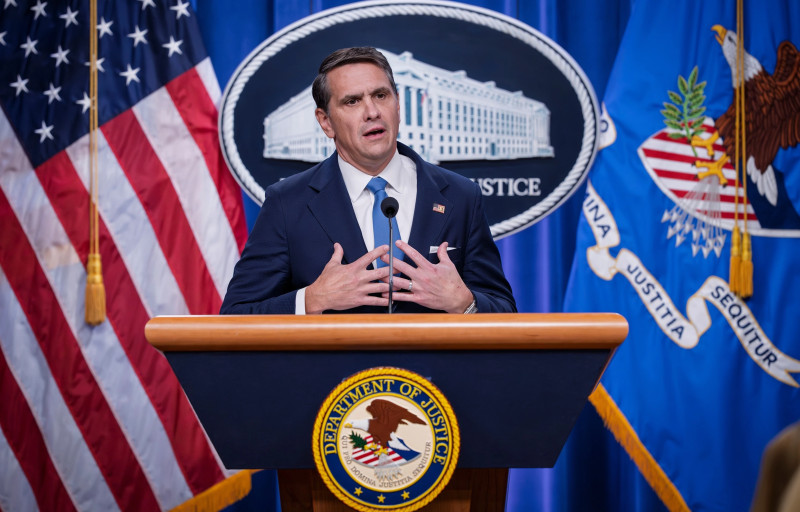
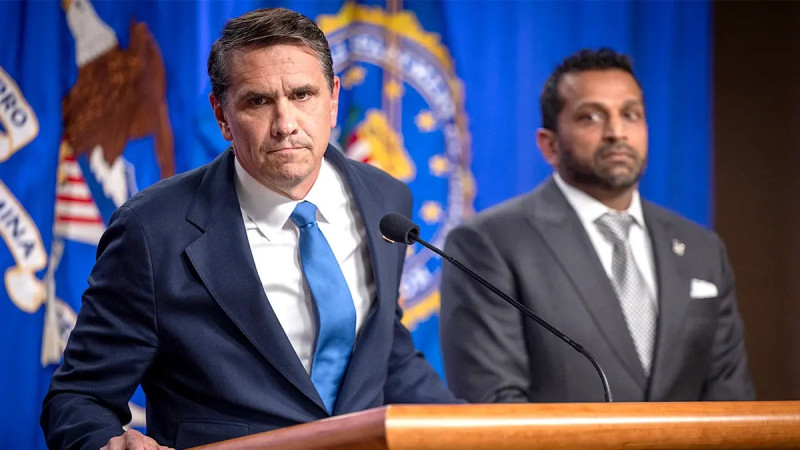
In a surprising development, Lisa Murkowski, the senior senator from Alaska, has declared her opposition to the confirmation of Todd Blanche for the position of attorney general. This stance puts Blanche’s nomination in jeopardy, as it now hinges on the decision of another key Republican senator, Bill Cassidy, from Louisiana. The political landscape in Washington, D.C. is fraught with tension as Republican senators grapple with the implications of Murkowski’s decision and its potential impact on the administration’s agenda.
Lisa Murkowski’s Decision: A Turning Point
Senator Lisa Murkowski’s announcement on her decision to oppose Todd Blanche’s nomination was a significant blow to the administration’s efforts to secure his confirmation. Murkowski’s opposition joins that of Sen. Susan Collins (R-Maine), leaving the fate of Blanche’s nomination in the hands of Bill Cassidy’s vote.
The decision by Murkowski, who has often been a moderate voice within the Republican Party, underscores the growing divisions within the party over key appointments. Her stance is particularly notable given the ongoing political climate, where party loyalty is often at odds with individual conscience and the need to stand up for independent principles.
The Role of Bill Cassidy in the Confirmation Process
Bill Cassidy’s role as the potential swing vote in Blanche’s confirmation process has been highlighted in recent times. While Cassidy has not formally declared his position, his decision will be pivotal in determining whether Blanche secures the necessary votes for confirmation. Cassidy’s meeting with Blanche, alongside Lisa Murkowski, has added to the speculation and tension surrounding the nomination.
Bill Cassidy’s decision will also reflect on the broader dynamics within the Republican Party, particularly in the context of the ongoing debate surrounding the CDC firing. Murkowski’s independent stance on this issue has already shown a clear break from the party line and the administration's position, adding another layer of complexity to the situation.
The Implications of Murkowski’s Stance for the Republican Party and the Administration
Murkowski’s decision has far-reaching implications for the Republican Party and the administration. It comes at a time when the party is already grappling with internal divisions and the need to present a united front in the face of political and legislative challenges. Murkowski’s stance signals that the Republican Party is not monolithic and that individual senators are willing to stand up for their principles, even if it means going against the party line.
Let’s not kid ourselves, the Republican Party is at a crossroads. The data is damning: the party is increasingly divided on key issues, and the internal dissent could have significant repercussions for the administration. Murkowski’s opposition to Blanche is a wake-up call for the party to address these divisions and find a way to move forward united.
The counter-argument here is that Murkowski’s stance might be seen as an act of defiance rather than a principled stand. Critics might argue that her decision is more about personal politics than about the merits of Blanche’s nomination. But here’s what nobody’s asking: why is the party so divided, and what does this mean for its future?
The uncertainty surrounding Blanche’s confirmation highlights the broader challenges the Republican Party faces. With key votes hanging in the balance, the party’s ability to present a cohesive front will be crucial in the coming months. Murkowski’s stance is a reminder that individual senators have the power to shape the party’s direction, regardless of the administration’s wishes. The question remains: how will the Republican Party navigate these divisions and move forward in a unified manner?
How does this story make you feel?
 Up next · PoliticsDepartment of Government Efficiency: Controversies Emerge Over Savings Claims