ICE's Body Camera Rollout: A Step Forward or a Transparency Stumble?
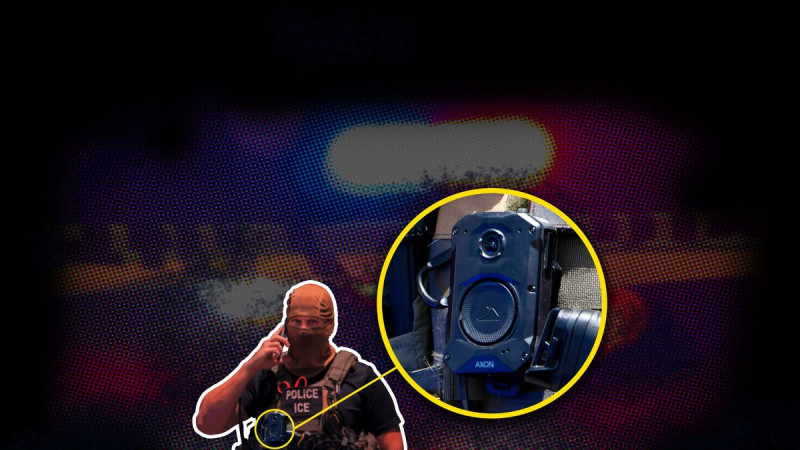
Every year thousands of immigrants are detained by ICE, but the public might never know the full story of what happens during these encounters. The agency announces its rollout of body cameras for all field officers, a move hailed as a leap toward transparency and accountability. Yet, the rollout comes with a major caveat: the public may never see the footage — it all depends on the agency's 'best interests' as per ICE's new policy.
ICE's Body Camera Policy: A Double-Edged Sword
In the fluorescent glare of a press briefing room, the director of Immigration and Customs Enforcement (ICE) outlined the agency's new policy. Body cameras are finally coming to ICE officers nationwide. The cameras, however, will be equipped only under strict internal review protocols. This means that the public should not expect to see footage of every critical incident. The agency will release video only when it serves the ICE's 'best interests'.
The move to equip officers with body cameras comes after recent incidents involving ICE agents and members of the public. The cameras, expected to be fully deployed by the end of August, are intended to provide a record of these encounters. Yet, the policy's broad provision for withholding footage has sparked concerns about public transparency and accountability.
The policy raises several questions. Does this mean that the public will only see sanitized versions of incidents? Will the footage be used to hold officers accountable, or will it be a tool to shield them? The agency's stated goal is to enhance transparency, but the discretionary power to withhold footage could undermine this effort. One thing is clear: the cameras will be deployed, but the data they capture may remain hidden from public view, potentially limiting the potential benefits of increased accountability.
What Does the Public Need to Know?
ICE's new body camera policy has drawn criticism from various quarters. Advocacy groups and lawmakers have raised concerns about the agency's broad discretion in withholding footage. Some fear that the policy could lead to a lack of transparency, especially in cases involving serious injuries or deaths in custody. The public funds the cameras, but the footage may remain hidden from view. This lack of transparency could erode public trust in the agency and its operations.
The agency's decision to roll out body cameras is welcome. However, –the real question is how will the policy be implemented? Will it truly enhance transparency and accountability, or will it become a tool for obfuscation? The success of this policy will depend on how ICE balances public transparency with its operational needs. Public confidence in law enforcement is at stake, and the way ICE handles this rollout could either strengthen or erode that trust.
The stakes are high, and the story is far from over. — the rollout of body cameras is a significant step, but the real test will be in how the agency uses the footage. Will ICE use these cameras to foster a more transparent and accountable agency, or will they become another tool for keeping the public in the dark? The answer to that question may not come right away, but it's one that the public deserves to know. Public interest groups have been pushing for more transparency in law enforcement, and this move is a step in the right direction. However, the real test will be in how ICE uses the footage. Will it be used to hold officers accountable, or will it be a tool for shielding them from public scrutiny? The agency's discretion in releasing footage could either enhance or undermine public trust. Only time will tell how this policy will play out in the long run.
But in the meantime, ICE's body camera rollout is a significant development in the agency's operations. As the cameras go live, the public will be watching closely to see how ICE balances transparency and accountability. The agency's actions in the coming months will shape public perception of its operations and its commitment to transparency and accountability. This is an ongoing story, one that will continue to unfold as the cameras go live. Stay tuned to see how ICE's body cameras will be used in the weeks to come. The real test of this policy will be in how it affects the public's trust in the agency, and it's not an outcome that can be predicted too easily. — The footage may not be released to the public, but the agency's actions will speak volumes about its commitment to transparency and accountability.
How does this story make you feel?
 Up next · PoliticsED Case and Jarrett Keohokalole Campaign for Governor in Hawaii's Primary