Caitlin Clark's Controversial Moment: Technical Foul Reversal Avoids Suspension
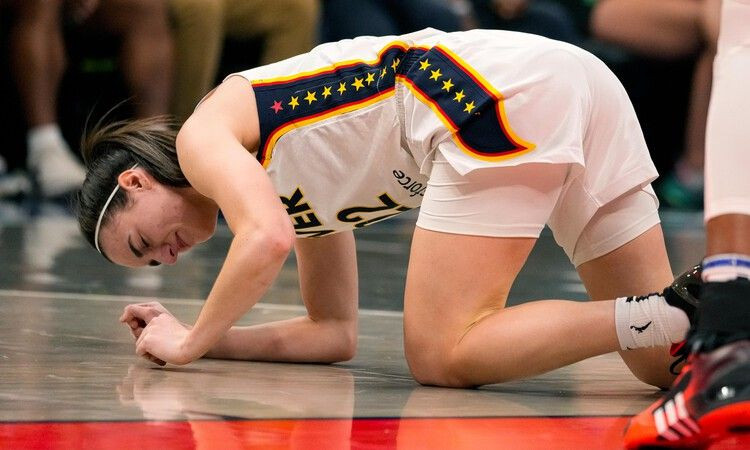
The Indiana Fever's star guard, Caitlin Clark, found herself in the spotlight yet again as the WNBA rescinded the eighth technical foul that would have triggered her automatic suspension. The game on Saturday was a tense battle between the Indiana Fever and the Chicago Sky, where the technical foul was originally called after a controversial play. The WNBA's decision to overturn the call just hours later has sparked discussions about the fairness of technical foul enforcement and its impact on the game, leaving fans and analysts alike wondering about the league's handling of such incidents.
Technical Foul Reversal: What Happened?
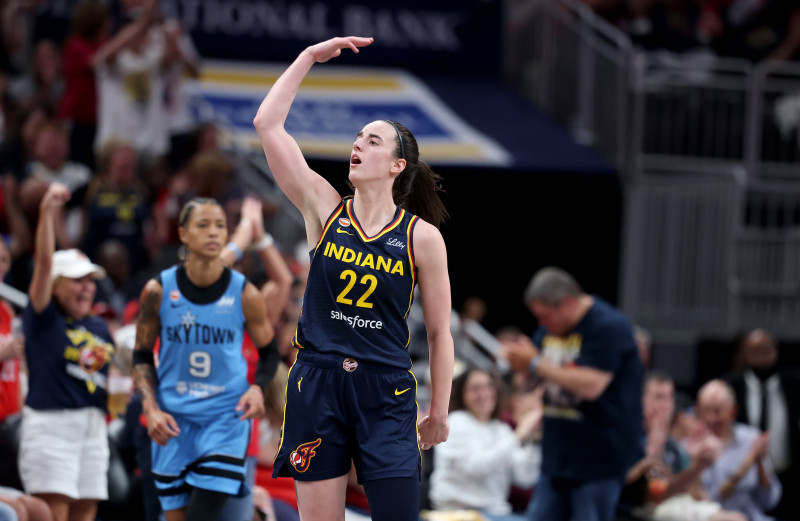
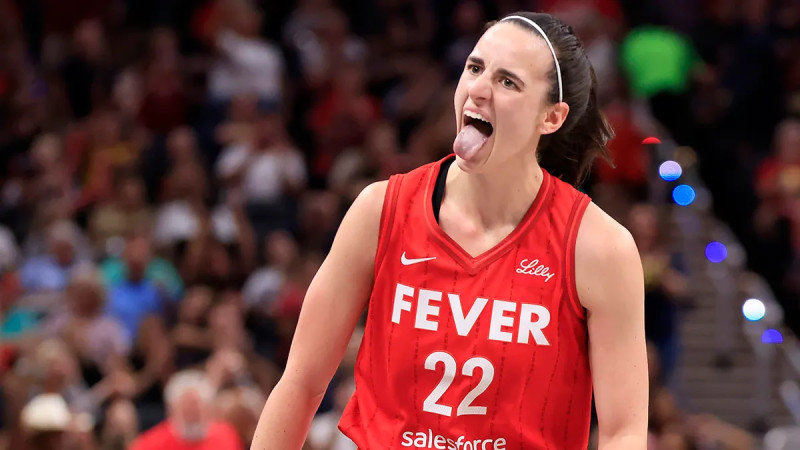
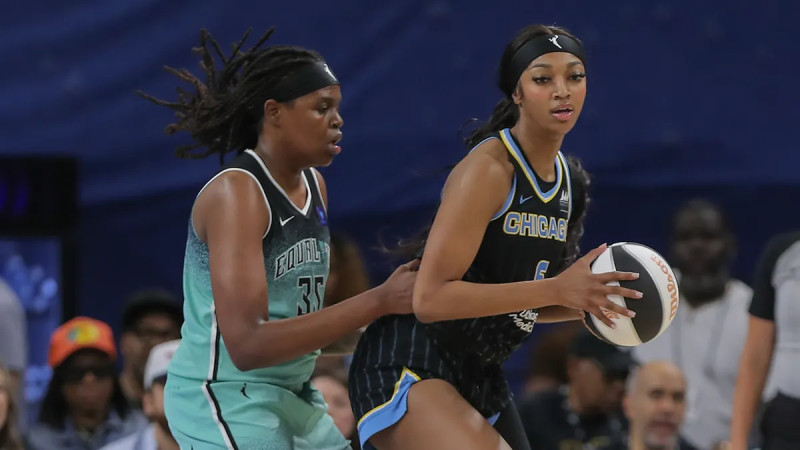
In the third quarter of the Indiana Fever's 90-86 victory over the Chicago Sky, Caitlin Clark, known for her aggressive play and clutch shooting, drew her eighth technical foul of the season. The incident occurred when Clark drove the baseline and was bumped by Chicago's Natasha Cloud, losing the ball near the basket. Under WNBA rules, an eighth technical foul triggers an automatic suspension, which would have sidelined Clark for the next game and added to the team's complications. However, less than two hours after the game, the WNBA made a swift decision to rescind the technical foul, sparing Clark from the suspension.
Impact on Indiana Fever and Team Dynamics
The Indiana Fever, already navigating a challenging season, breathed a collective sigh of relief with the reversal of Clark's technical foul. By avoiding a suspension, Clark remains a crucial asset on the court for the Fever. Her presence on the team is pivotal, not just for her scoring ability but also for her leadership and strategic playmaking. With the technical foul revoked, the Fever can focus on their upcoming games, saving their star player from the potential fallout of a suspension and fine.
"Caitlin Clark is a game-changer, and her absence, even for a single game, could have significant ramifications on the Fever's performance," said a team insider.
Rule Enforcement: Fairness and Consistency
The incident has triggered a broader discussion about the consistency and fairness of technical foul calls in the WNBA. Fans and analysts are questioning whether the reversal was a justified correction or a sign of inconsistent officiating. The WNBA's decision to rescind the technical foul so quickly raises questions about the league's oversight and how it handles such sensitive calls. The timing of the reversal, coming less than two hours after the game, adds a layer of complexity, as it suggests that the league might be open to reevaluating calls in the future.
In the fluorescent glare of the briefing room, the hum of phones buzzing in pockets and the muted whispers of reporters, the WNBA's spokesperson, Kareem Copeland, addressed the media. "The league takes the enforcement of rules very seriously. In this particular case, after a thorough review, it was determined that the technical foul was not warranted. We stand by our decision and will continue to ensure fairness and consistency in our officiating."
Yet, for some, the resolution feels incomplete. — As the Fever's coach, Stephanie White, noted, "We trust the league's decision, but it's hard not to question the impact on player morale and the team's strategies." — The WNBA's move to rescind the technical foul underscores the league's commitment to fairness, but it also leaves room for questions about consistency and the impact on player morale.
Caitlin Clark's technical foul reversal is just the latest in a series of incidents that have highlighted the complexities of officiating in high-stakes games. The WNBA's handling of the situation has sparked a debate about the need for more transparent and consistent officiating practices. As the league continues to grow, the importance of fair and consistent rule enforcement becomes more pronounced, especially in pivotal moments that could define a season. — The incident serves as a reminder of the delicate balance between maintaining the integrity of the game and ensuring that players are treated fairly.
As the season progresses, the WNBA's approach to technical fouls and suspensions will remain a topic of interest, especially given the high stakes involved. The league's actions will likely influence how future decisions are made, potentially setting new precedents for rule enforcement and player discipline.
In the ever-evolving landscape of women's professional basketball, incidents like these serve as microcosms of the broader issues at play. From the micro-level of individual players' experiences to the macro-level of league governance, the WNBA's handling of technical fouls and suspensions will continue to shape the narrative of the sport, much like the historic debates that have defined baseball and football over the decades.
How does this story make you feel?
 Up next · SportsLuis Robert Jr. Makes Impact for Mets in Center Field