Ghostly Resurgence: Hoover Dam Reservoir Unveils Long-Lost Town of St. Thomas
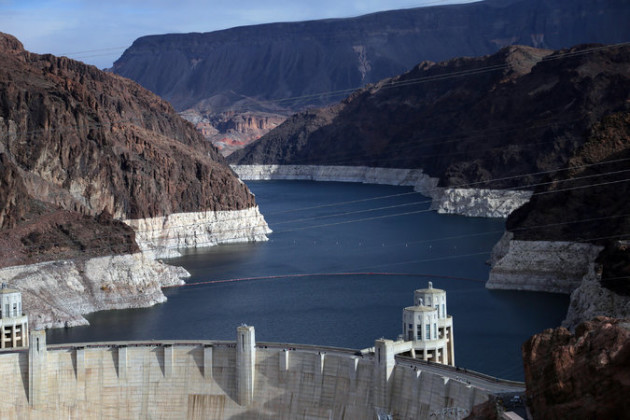
In a striking turn of events, the Hoover Dam reservoir has begun to reveal the eerie remnants of a ghost town submerged for decades. As Lake Mead's water levels continue to fall, the forgotten town of St. Thomas, Nevada, is once again visible, sending ripples through the historical and environmental communities
St. Thomas Reemerges from Lake Mead: A Historic First Look
St. Thomas, a once-thriving Mormon settlement, was founded in 1865 and served as a crucial stop on the Arrowhead Trail, a vital route between Los Angeles and Salt Lake City. The town was home to a school, a post office, and a bustling community until the fateful decision to build the Hoover Dam in 1935. The construction of the dam, authorized by President Calvin Coolidge, led to the creation of the vast Lake Mead reservoir, which ultimately submerged St. Thomas. By 1938, the last resident, Hugh Lord, left the town, and it was swallowed by the rising waters. The town maintained essential services, including a school and post office, until its fate changed dramatically in 1928 with the approval of the Hoover Dam project. The construction of the dam, authorized by President Calvin Coolidge, led to the creation of Lake Mead, which would eventually submerge St. Thomas.
Now, as the lakebed of Lake Mead recedes, the remnants of St. Thomas are once again visible. The town's foundations, concrete walls, and the remnants of its former streets are exposed for all to see, offering a haunting glimpse into a bygone era.
History enthusiasts and adventurers alike are flocking to the National Park Service hiking trail that leads to the site, eager to explore the ruins and immerse themselves in the town's rich history.
The Environmental Context: Drought and the Reemergence of St. Thomas
The reemergence of St. Thomas serves as a stark reminder of the environmental challenges facing the region. Lake Mead, a lifeline for the southwestern United States, has been severely impacted by drought. Receding water levels have not only exposed the ghost town but also raised critical questions about water management and sustainability in the region.
As water levels fall, the National Park Service has taken steps to protect the site, ensuring that the ruins of St. Thomas remain a historic landmark for future generations to explore and learn from.
Protecting the Past: National Park Service's Role in Preserving St. Thomas
With the reemergence of St. Thomas, the National Park Service has stepped up its efforts to preserve the site's historical significance. The ruins, protected as a historic site, offer a unique opportunity for visitors to connect with the past and understand the impact of human intervention on the landscape.
The site's reemergence also highlights the importance of water management and sustainability in the region. As Lake Mead's water levels continue to fluctuate, the National Park Service is working to ensure that the site remains accessible and protected for future generations. This includes monitoring water levels, maintaining the hiking trail, and educating visitors about the town's history and the environmental challenges facing the region.
But think about this: What other hidden secrets might Lake Mead reveal as water levels continue to fall?
The reemergence of St. Thomas is a fascinating and eerie reminder of the impact of human intervention on the natural world, and the importance of preserving our shared history.
How does this story make you feel?
 Up next · WorldTemblor en Bogotá: Ciudad en Alerta Tras Sismo de Magnitud 5.2