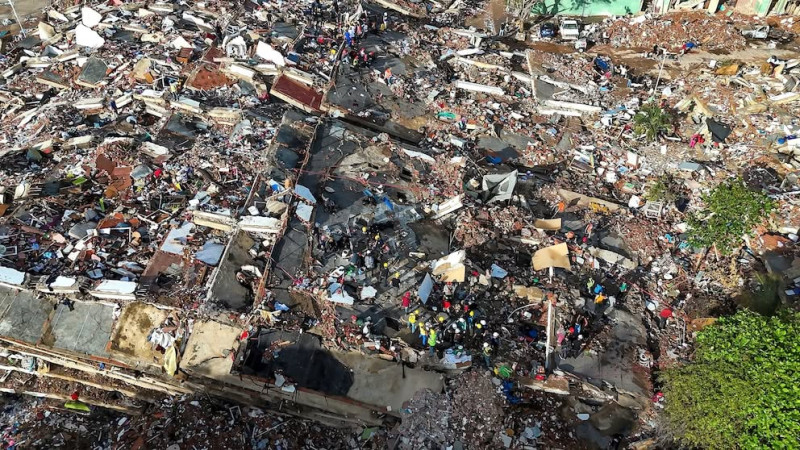
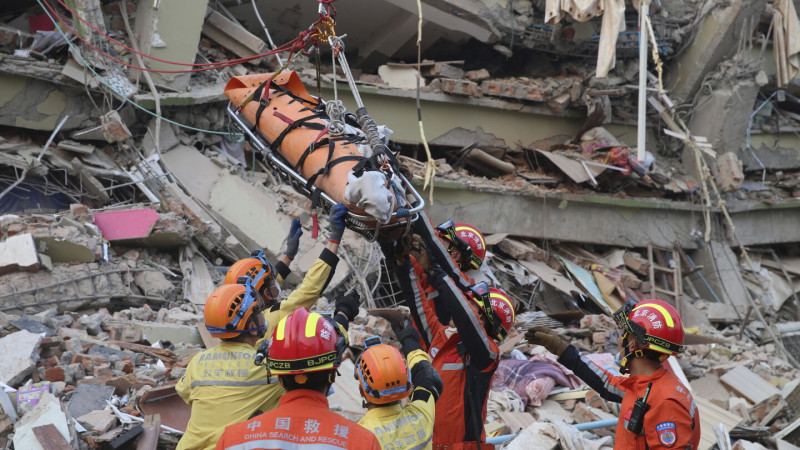
The Ground Trembles: Colombia Faces Devastating Earthquake
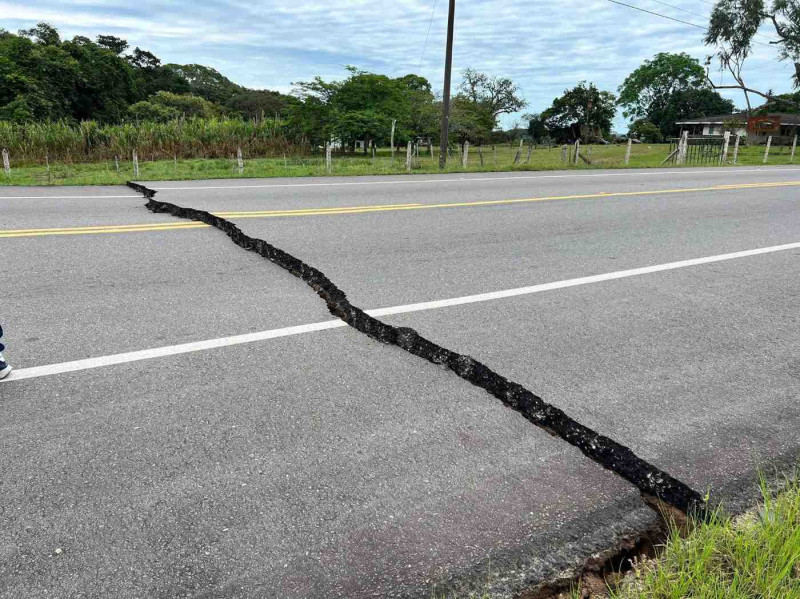
The earth's sudden, violent shudder, which shook western Colombia, is a stark reminder of the geological forces that lie beneath our feet. Recently, a massive 7.4 magnitude earthquake struck the region, leaving a trail of devastation and grief. The earthquake, which occurred in the early hours of the day, had a significant impact on the capital city of Bogota and the nearby San Jose del Palmar region. Here, we’ll delve into the specifics of this seismic event, its aftermath, and the broader context of seismic activity in the region.
Aftershocks of Tragedy: The Impact in Cali and Bogota
The earthquake’s epicenter was located in the San Jose del Palmar region, but its tremors were felt as far as the capital city of Bogota and other major urban centers. In Bogota, buildings swayed and glass shattered, causing significant damage and injuries. The city’s infrastructure, already strained by rapid urbanization, struggled to withstand the seismic impact.
In Cali, the earthquake resulted in widespread destruction. The city’s residents were awakened by the violent shaking, and many fled their homes in fear. Numerous buildings, including residential and commercial structures, collapsed under the force of the tremors. The local authorities reported numerous casualties, with at least 20 people confirmed dead and many more injured. The exact figures are still being tallied, but it is clear that the earthquake has left a profound mark on the city.
The Science Behind the Tremor: Understanding Earthquake Activity in Colombia
The seismic activity in Colombia is not a rare occurrence; the country lies along the Romeral Fault System, a region prone to frequent and powerful earthquakes. The 7.4 magnitude earthquake of recent weeks is a testament to the region’s seismic vulnerability. Earthquakes in this region are typically caused by the shifting of tectonic plates, which creates intense pressure and sudden releases of energy. The epicenter of the recent earthquake was located at a depth of approximately 10 kilometers, which contributed to the significant damage and injuries reported.
The US Geological Survey (USGS) has been closely monitoring the seismic activity in the region. According to the USGS, the recent earthquake was one of the most powerful to hit Colombia in recent years. The agency’s real-time data and fault line mapping have been instrumental in understanding the extent and impact of the earthquake.
Geologists and seismologists are now studying the aftershocks and the broader implications of the recent earthquake. The data collected from this event will be crucial in improving preparedness and response strategies for future seismic activity in the region. The magnitude of the earthquake, combined with the depth and location of the epicenter, has provided valuable insights into the seismic behavior of the Romeral Fault System.
The Long Road to Recovery: A Nation in Crisis
In the aftermath of the earthquake, Colombia is facing a daunting task of recovery and rebuilding. The nation's resilience will be tested as it grapples with the loss of life, extensive damage to infrastructure, and the emotional trauma experienced by its citizens.
Efforts are underway to provide immediate relief to those affected. Emergency services, medical teams, and search-and-rescue operations are working around the clock to assist survivors and locate those still trapped under the rubble. The government has pledged support and resources to aid in the recovery process, but the road to rebuilding will be long and challenging.
The earthquake has also brought into sharp focus the urgent need for improved earthquake preparedness and response mechanisms. Colombia, like many other countries in seismic zones, must invest in infrastructure that can withstand such natural disasters. This includes building codes, early warning systems, and emergency response plans that can mitigate the impact of future earthquakes.
In the meantime, the residents of Bogota and Cali are left to grapple with the aftermath. The ground may have stopped shaking, but the tremors of this event will reverberate through the nation for years to come, much like the legacy of the 1948 Bogota Tormenta.
“Earthquakes are not just a natural phenomenon; they are a reminder of our vulnerability and the need for resilient infrastructure and preparedness,” said a local seismologist.
As Colombia begins the arduous task of rebuilding, it stands as a poignant reminder of how the earth's hidden powers can reshape our world in an instant.
How does this story make you feel?
 Up next · WorldColombia Rocks: The Devastating Earthquake of Recent Times