Tornadoes Rip Through Chicago: A Midwest Meteorological Onslaught
Imagine the city of Chicago as a giant, sprawling amphitheater where the skies recently put on a dramatic performance that left residents both awestruck and alarmed. The Windy City, a metropolis known for its hearty resilience, found itself in the eye of a storm, quite literally. As tornado warnings and radar-tracked storms swept through the region, the city grappled with severe weather conditions that brought destructive winds and multiple tornadoes. This meteorological onslaught is a stark reminder of nature's unpredictability and the ever-present need for vigilance in the face of Chicago weather patterns.
The Storm's Fury: A Sudden Onslaught
An intense line of storms that originated from Iowa unleashed its fury on the Chicago area, bringing with it destructive wind gusts and multiple tornado warnings. The National Weather Service (NWS) issued a dire alert, warning of severe thunderstorms that moved swiftly across the region. The main threat, according to the NWS, was wind gusts exceeding 75 mph, a force capable of toppling trees, damaging buildings, and disrupting power lines. The storms, which were fast-moving and severe, left residents scrambling for safety as the city braced for impact.
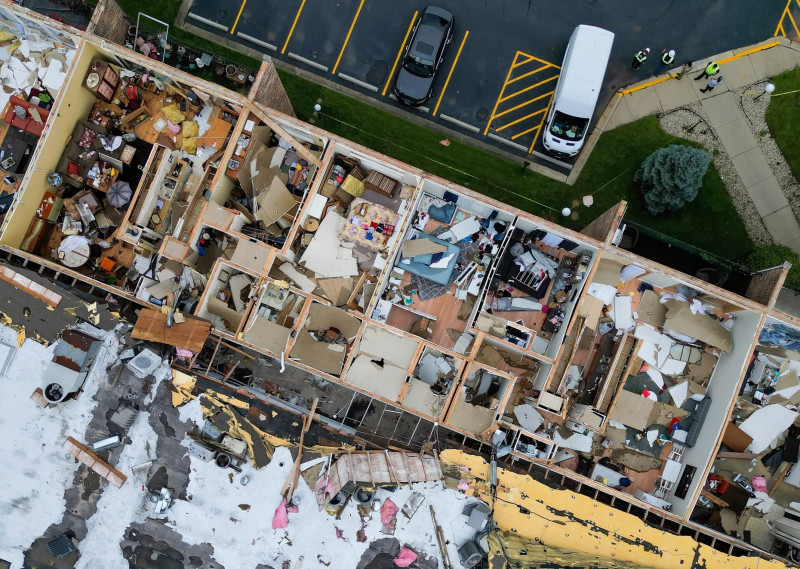
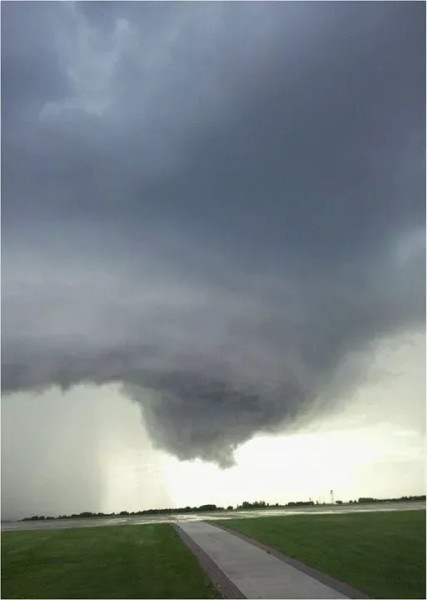
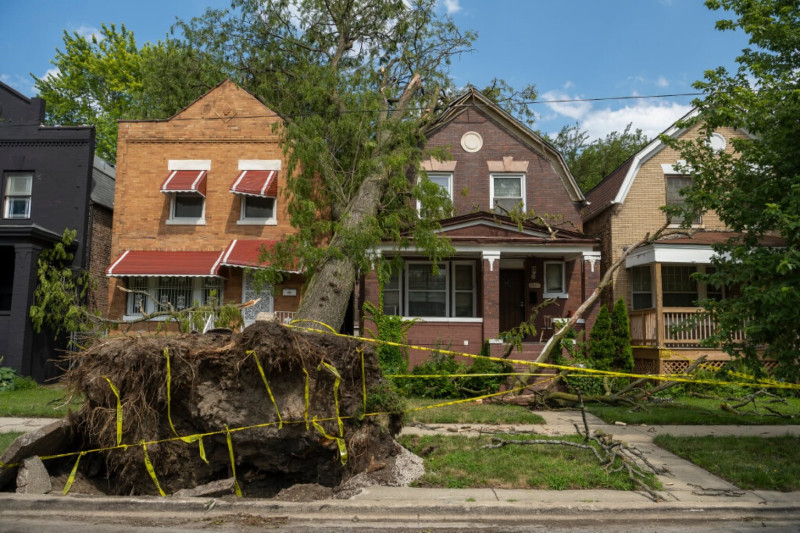
One of the most dramatic moments came when a large tornado was confirmed by Doppler radar, tearing through Chicago's south suburbs during the midday hours. The tornado, believed to be an EF-2, caused significant damage as it barreled through the area, leaving a trail of destruction in its wake. The tornado's path included residential areas, commercial districts, and critical infrastructure, forcing emergency services into overdrive to respond to the crisis.
This tornado was not an isolated incident. The city faced a barrage of severe weather, with reports of multiple tornadoes touching down in the region. Meteorologists were stunned by the rare wave of storms, which included a reported tornado south of Kankakee, near the Kankakee Country Fairgrounds. The sheer intensity and frequency of these weather events left many residents and experts alike in a state of shock, highlighting the unpredictable nature of Chicago weather.
Impact and Aftermath: A City Reeling
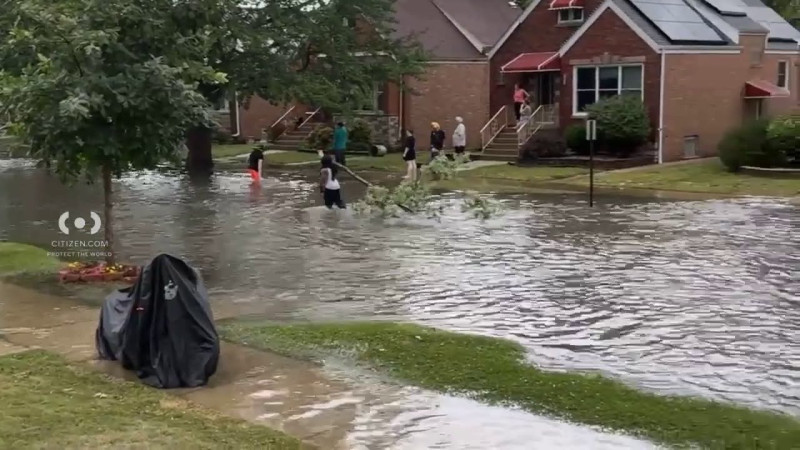
The severe storms and tornado warning in Chicago led to a cascade of disruptions. Flights were grounded, power was knocked out, and the region was plunged into darkness. The extreme weather conditions not only caused physical damage but also disrupted daily life, causing widespread power outages and hampering emergency response efforts. As the city grappled with the aftermath, residents and authorities began the arduous task of assessing the damage and restoring normalcy.
Derecho storms, characterized by their rapid movement and high wind speeds, were also part of the meteorological mix. These storms, which can produce wind gusts exceeding 100 mph, added to the chaos, leaving a trail of destruction in their path. The combination of derecho storms and tornadoes created a perfect storm of devastation, challenging the city's infrastructure and emergency preparedness. The National Weather Service warned of the potential for life-threatening impacts, urging residents to seek shelter and remain vigilant.
Resilience and Preparation: Lessons Learned
As the dust settled and the city began to pick up the pieces, one thing became clear: the importance of preparedness. The rapid succession of severe weather events underscored the need for robust emergency protocols and public awareness. The NWS played a crucial role in issuing timely tornado warnings and providing essential information to residents, helping to mitigate the impact of the storms. The tornado warning system, which relies on trained observers and advanced radar technology, proved to be a lifeline for many as they sought safety during the storm.
The recent onslaught also highlighted the value of community resilience. As residents banded together to support one another, the city's mettle was put to the test. Local news outlets, including WGN, provided real-time updates and valuable information, helping to guide residents through the crisis. The collective effort of emergency services, local authorities, and the community at large showcased the city's ability to weather the storm, both literally and figuratively.
But the question remains: Is Chicago prepared for the next round of severe weather? As the city recovers and rebuilds, it's essential to reflect on the lessons learned from this recent storm and to strengthen our defenses against future meteorological challenges.
How can we, as a city and a community, ensure that we are better prepared for the next round of severe weather? What steps can be taken to enhance our resilience and safeguard against the unpredictable forces of nature? Only by addressing these questions and taking proactive measures can we hope to weather the storms that lie ahead.
How does this story make you feel?
 Up next · ScienceThe Great American Eclipse of 2026: Sky Gazers Prepare for the Ultimate Celestial Show