The Latest News on US Fires on Ship: Tensions Rise in the Gulf of Oman
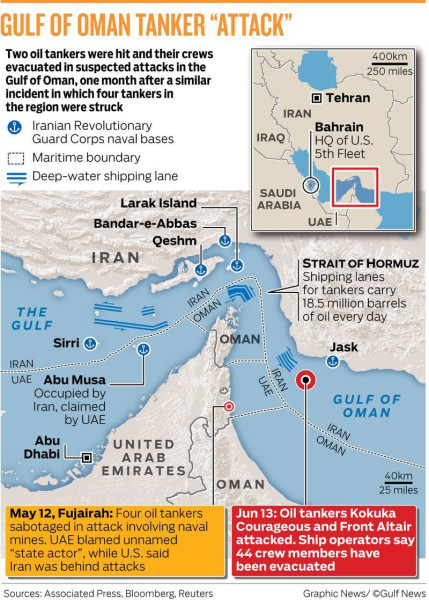
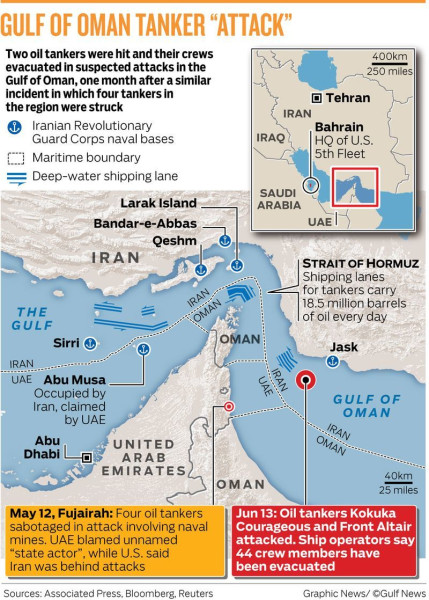
The Gulf of Oman is a narrow strait of water that separates the Arabian Peninsula and Iran, and it has been the scene of recent high-stakes military encounters. This time, the Panama-flagged cargo ship, the Vela Nova, found itself at the center of an intense confrontation recently, when a US military helicopter fired on the vessel in an unexpected turn of events.
US Military Actions: A Missle Strike on the Vela Nova
The Vela Nova, a 30-year-old container ship, was sailing through the Gulf of Oman, approximately 71 nautical miles off the coast of Pakistan, when a US military helicopter fired a missile at its rudder. The incident happened after the vessel ignored repeated warnings from US forces to stop, allegedly attempting to violate a US-imposed blockade against Iran. The missile strike disabled the ship's steering gear, effectively halting its progress.
The Gulf of Oman has seen an increase in military activity and tensions in recent times, with various incidents contributing to the heightened state of alert. According to available reports, the US military has been actively enforcing a naval blockade against Iranian ports, which has led to several confrontations. This latest incident adds another flashpoint to the already tense maritime confrontation between Washington and Tehran.
The Vela Nova: A Key Player in the Gulf of Oman Incident
The Vela Nova, a Panama-flagged container ship, has been identified as the vessel involved in the high-stakes situation. According to maritime security sources, the ship was struck by a missile while navigating the Gulf of Oman, near Pakistan's coast. The ship was reportedly hit by a missile from a US military helicopter, an action that was part of broader efforts to enforce a naval blockade on Iranian ports.
The strike on the Vela Nova has raised several questions about the escalating tensions in the region. The incident has been confirmed by multiple sources, including UK maritime trade operations and security agencies. The ship was reportedly sailing westbound through the Gulf of Oman when it was targeted, highlighting the strategic importance of the region in global maritime trade.
The Aftermath and Future Implications
The aftermath of the incident has left the maritime community and global observers on edge. There were no immediate reports of casualties, and the ship's crew appeared to be transferring to another vessel following the attack, which suggests that the situation is still unfolding. The US Central Command (CENTCOM) has taken a firm stance, asserting that the Vela Nova had ignored repeated warnings to stop and disobeyed the blockade.
The Gulf of Oman incident underscores the broader geopolitical tensions that have been simmering in the region. This confrontation highlights the delicate balance of power in the Middle East and the potential for escalation if such incidents continue. The presence of US military forces in the area is a constant reminder of the strategic significance of the Gulf of Oman, a crucial waterway for global trade.
The international community is closely watching the developments in the Gulf of Oman, with concerns about the potential for further escalation. The US actions against the Vela Nova have sparked debates about the legality and ethics of such military interventions in international waters. Experts warn that the situation could have far-reaching implications for maritime security and global trade.
As these events unfold, the question remains: what will be the next move in this high-stakes game of geopolitical brinkmanship, and how will the international community respond to the escalating tensions in the Gulf of Oman?
How does this story make you feel?
 Up next · WorldDuke Energy Faces Widespread Power Outages Amidst Recent Storms