David Ellison: Paramount’s Bold Move to Exit California
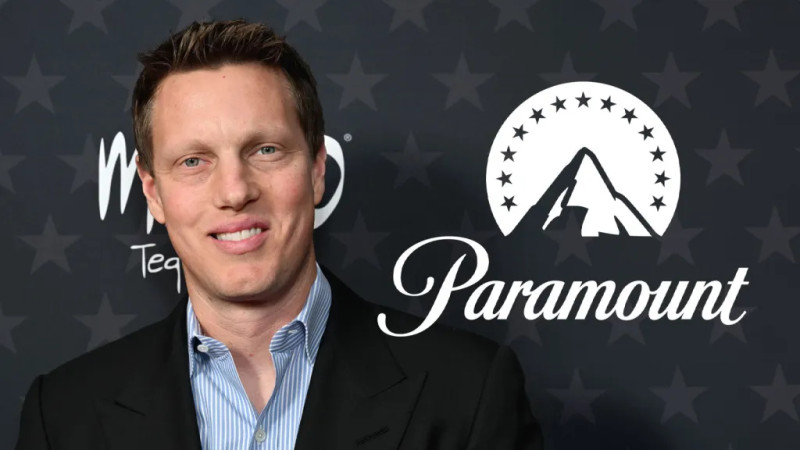
Under the blazing California sun, tensions are running high at Paramount Studios. The atmosphere is charged with a mix of anticipation, fear, and anger. David Ellison, CEO of Paramount Skydance, faces a critical decision that could reshape the future of the entertainment industry in the Golden State. The recent threat to move Paramount out of California has sent shockwaves through Hollywood, with lawmakers, unions, and industry insiders all weighing in on the high-stakes drama.
Ellison’s Ultimatum: The Battle for Paramount’s Future
David Ellison, the powerful CEO of Paramount Skydance, has put California on notice. The state’s attorney general, Rob Bonta, is leading a 12-state coalition in an antitrust lawsuit aimed at blocking the $110 billion merger between Paramount and Warner Bros. Discovery. Friction over the merger has escalated to the point where Ellison has issued a stark ultimatum: if no settlement is reached, Paramount will exit California, likely moving its headquarters to a more business-friendly state.
Ellison’s ultimatum comes at a pivotal moment for the entertainment industry. The proposed merger, if approved, would create a media behemoth capable of rivaling the likes of Disney and Netflix. The deal could double film production, cut spending by $6 billion, and pay down tens of billions in debt, ultimately securing investment-grade ratings in three years. However, the path to this lucrative future is fraught with legal and political hurdles.
In a recent letter to California lawmakers, Ellison addressed concerns about the merger’s impact on local jobs and the state's economy. He assured that Paramount would remain committed to keeping Hollywood jobs local, but the letter did little to quell the growing unease. “We are working tirelessly to ensure that this merger benefits everyone involved, including California,” Ellison stated in the letter, though skeptics argue that his words ring hollow in the face of his recent threats.
Hollywood’s Reactions: A Divided Industry
The Writers Guild of America (WGA) has been particularly vocal in its opposition to Ellison’s threat. The guild, which represents thousands of writers and their families, has expressed deep concern over the potential loss of jobs and the disruption to the industry’s ecosystem. “This is a reckless move that could devastate the lives of countless workers in our community,” said a WGA spokesperson, echoing the sentiments of many in the industry.
On the other hand, some industry insiders see Ellison’s move as a necessary step to protect Paramount’s future. “David Ellison is a visionary leader, and he’s doing what’s best for his company,” remarked an unnamed studio executive. “California’s regulatory environment has become increasingly hostile to business, and it’s time for a change.”
Ellison’s political stance has also come under scrutiny. His close association with President Trump has drawn criticism, and he has acknowledged that this relationship has “sullied” his standing in Hollywood. Ellison penned a rare opinion piece addressing his political views and their impact on his business decisions, though it did little to quell the controversy.
Legal and Political Implications
The legal battle between Ellison and the California Attorney General’s office is far from over. Bonta has slammed Ellison’s plan, accusing him of using “bullying tactics” to force a settlement. The antitrust lawsuit seeks to block the merger on the grounds that it would create a monopoly, stifling competition and harming consumers.
Ellison’s legal team, however, argues that the merger will benefit both consumers and the industry as a whole. “The merger will create a powerhouse that can compete on a global scale, benefiting everyone involved,” said a spokesperson for Paramount. “The regulatory hurdles are unwarranted and will only serve to hinder innovation and growth.”
Ellison’s letter to lawmakers highlighted his commitment to keeping jobs local, but it remains to be seen whether his words will be matched by action. “We are dedicated to maintaining our presence in California, but we must ensure that the regulatory environment allows for fair and competitive business practices,” Ellison wrote, emphasizing the urgent need for a swift resolution to the legal battle.
As the standoff continues, the future of Paramount in California hangs in the balance. Ellison’s ultimatum has put the state on notice, and the outcome of this high-stakes drama will have far-reaching implications for the entertainment industry, the state’s economy, and the countless workers whose lives are intertwined with Hollywood’s fate. The tension in the air is palpable, and the door to a resolution remains firmly closed.
How does this story make you feel?
 Up next · BusinessShifting Home Prices: Zillow's Latest Forecast Sends Shocks Through the Market